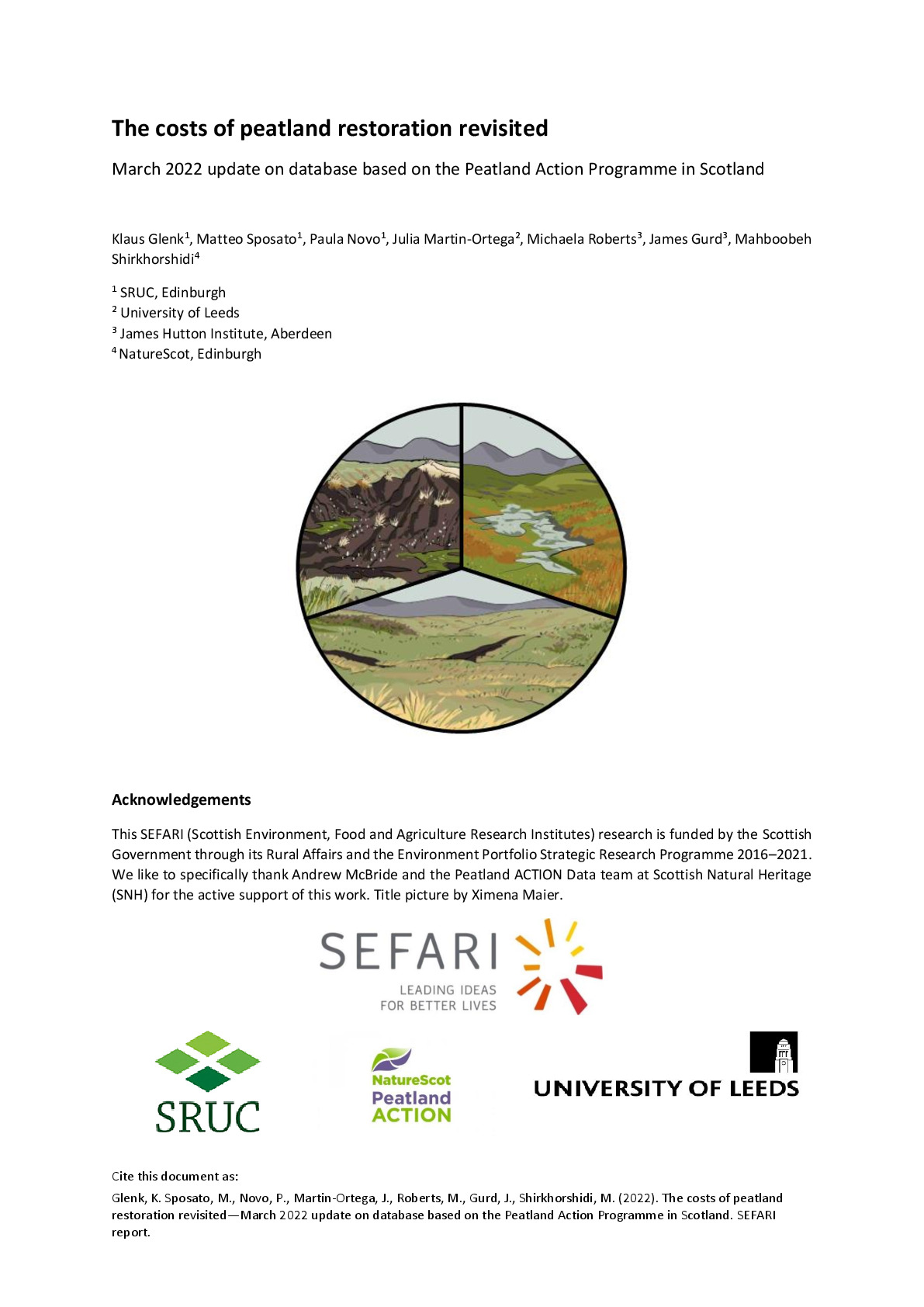
March 2022 update on database based on the Peatland Action Programme in Scotland.
The landscape for society, industry and policy is ever evolving but the last few decades have seen a sharpening focus on the key issues of climate change and the sustainable use of resources. This has led to the development of policies and initiatives around factors mitigating and adapting to climate change and activities, particularly industrial, that deliver equivalent or enhanced outputs but with reduced greenhouse gas emissions. All of this highlights a shift away from fossil fuel-based feedstocks and the requirement for sustainable and renewable resources and processes.
This report is the output of a Fellowship project aiming to increase the understanding of the animal health, agri-tech and aquaculture (AAA) sector in Scotland and improve understanding of opportunities and challenges facing the sector. This was achieved through creation of an inventory mapping key stakeholders in the sector across Scotland and a survey to key stakeholders.
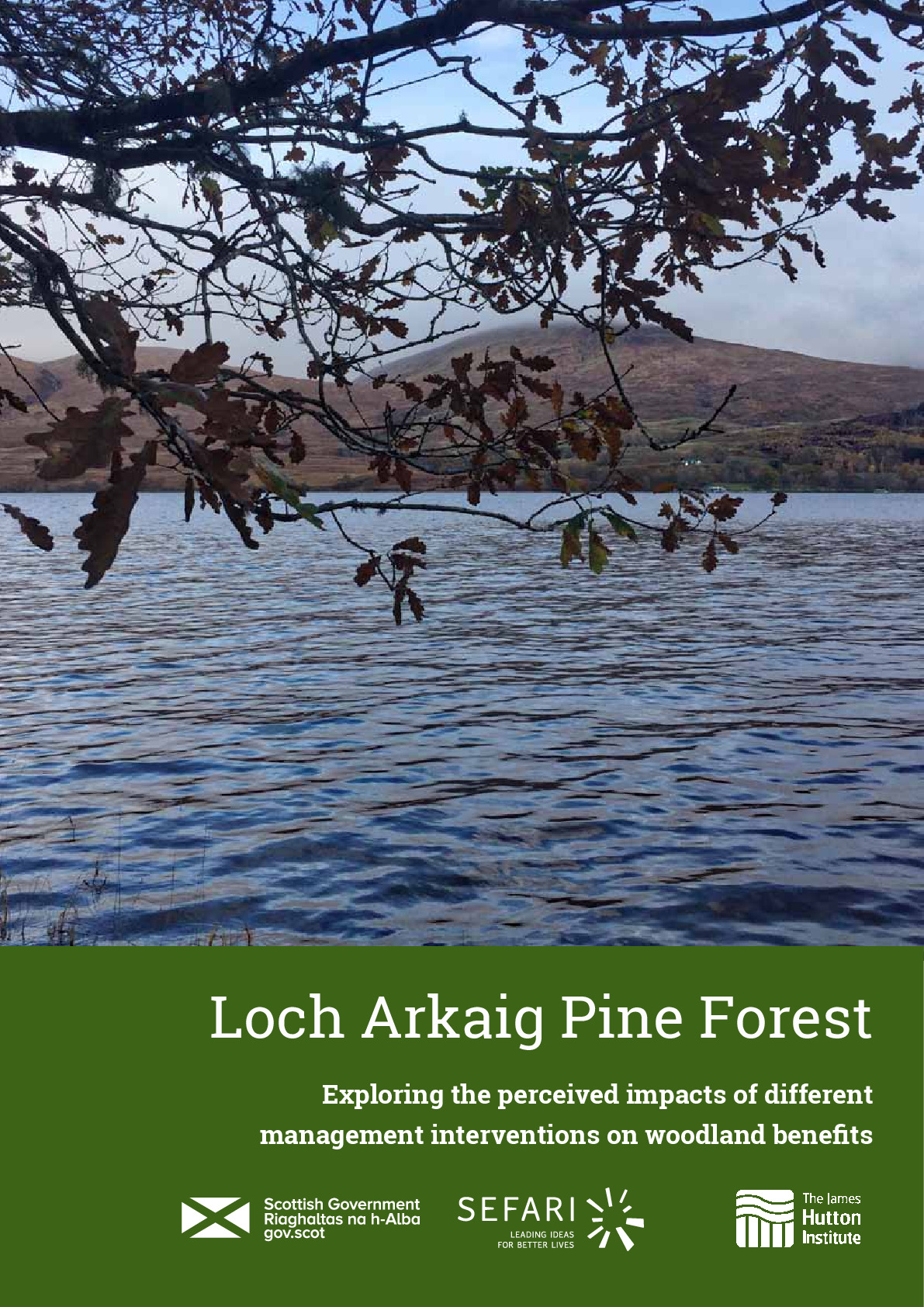
The final, of four educational posters on the topic of water, created as part of the Water Words (see related blog) Responsive Opportunity Funded Project.
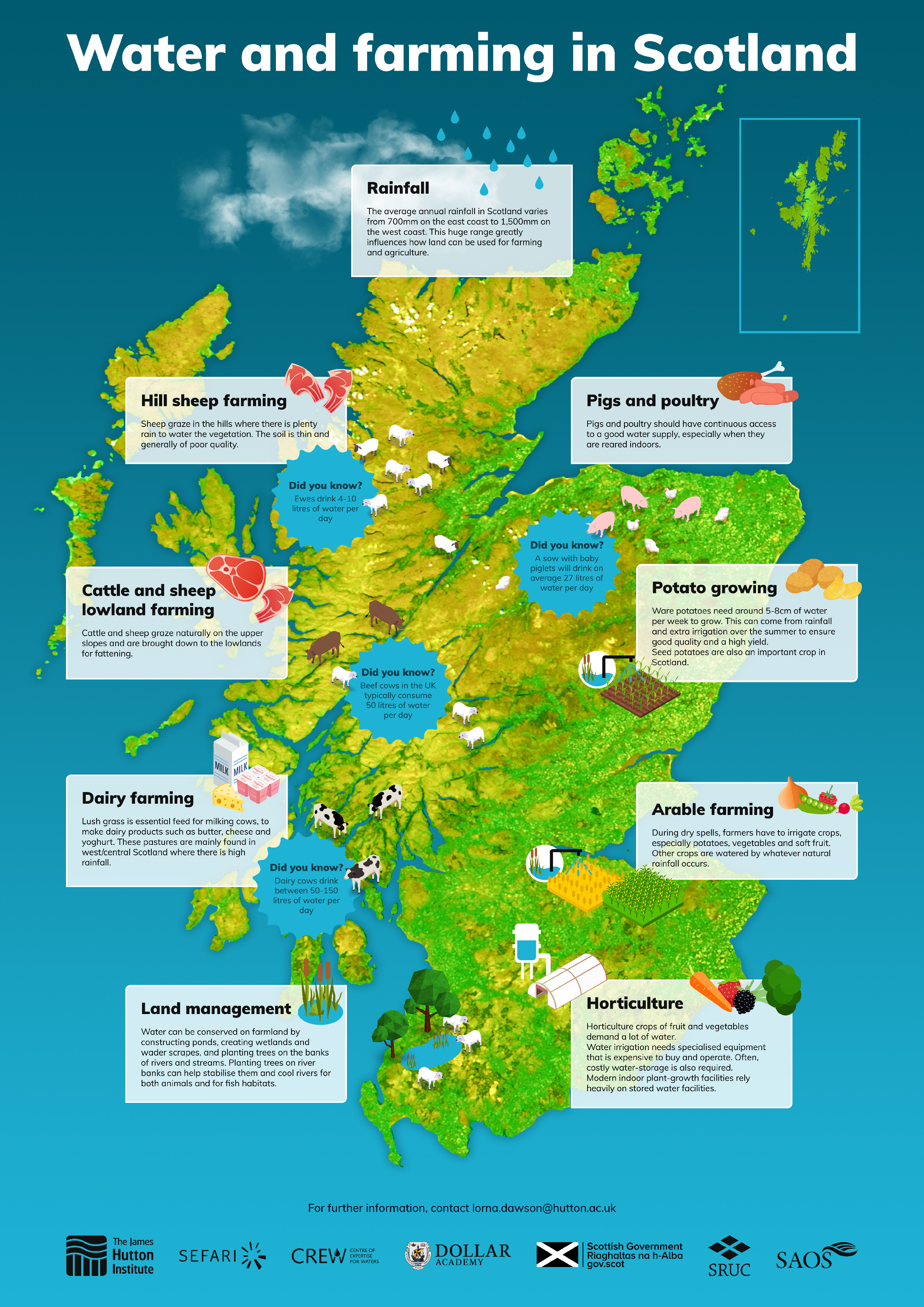
The third of four educational posters on the topic of water, created as part of the Water Words (see related blog) Responsive Opportunity Funded Project.
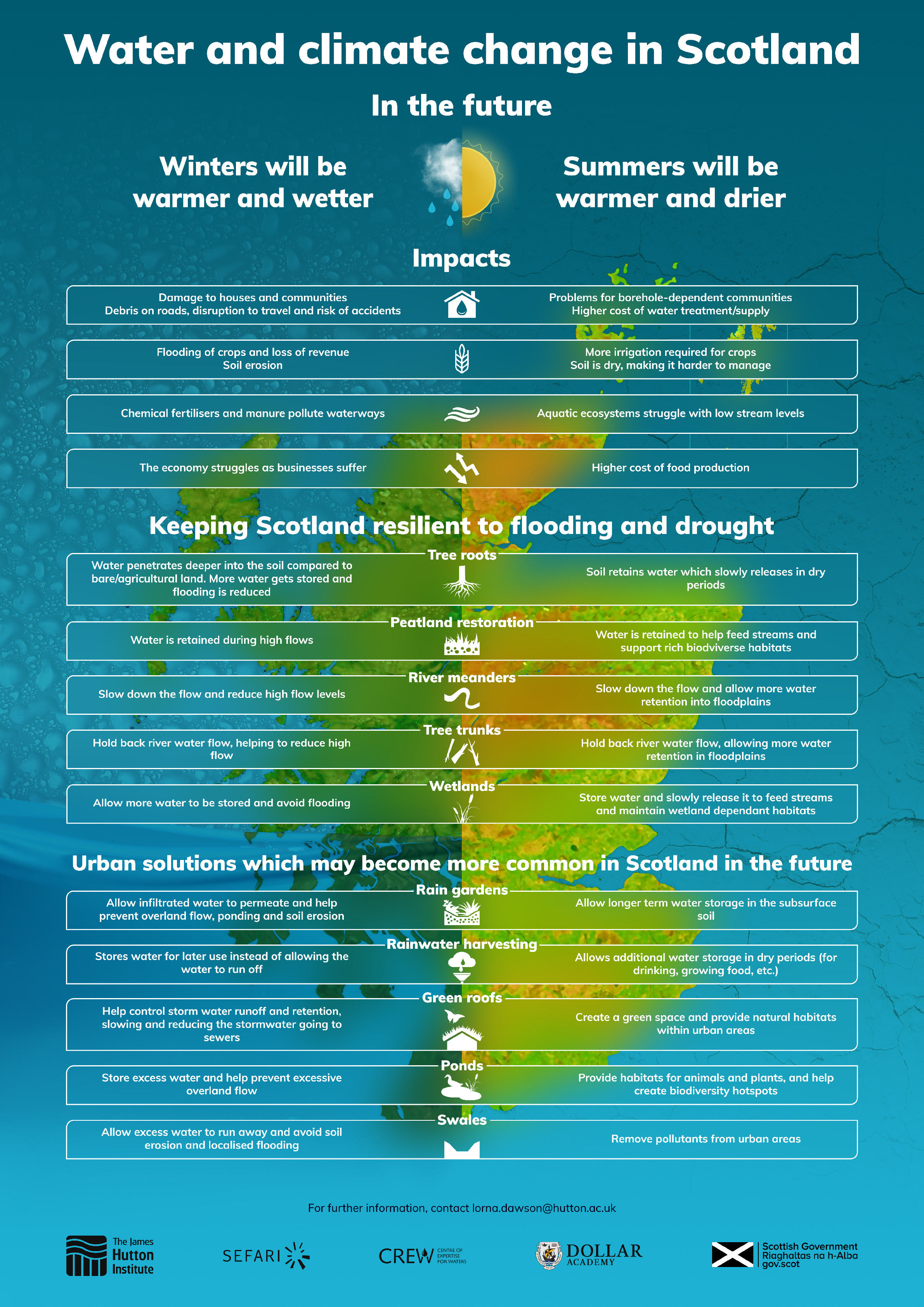
The second of four educational posters on the topic of water, created as part of the Water Words (see related blog) Responsive Opportunity Funded Project.
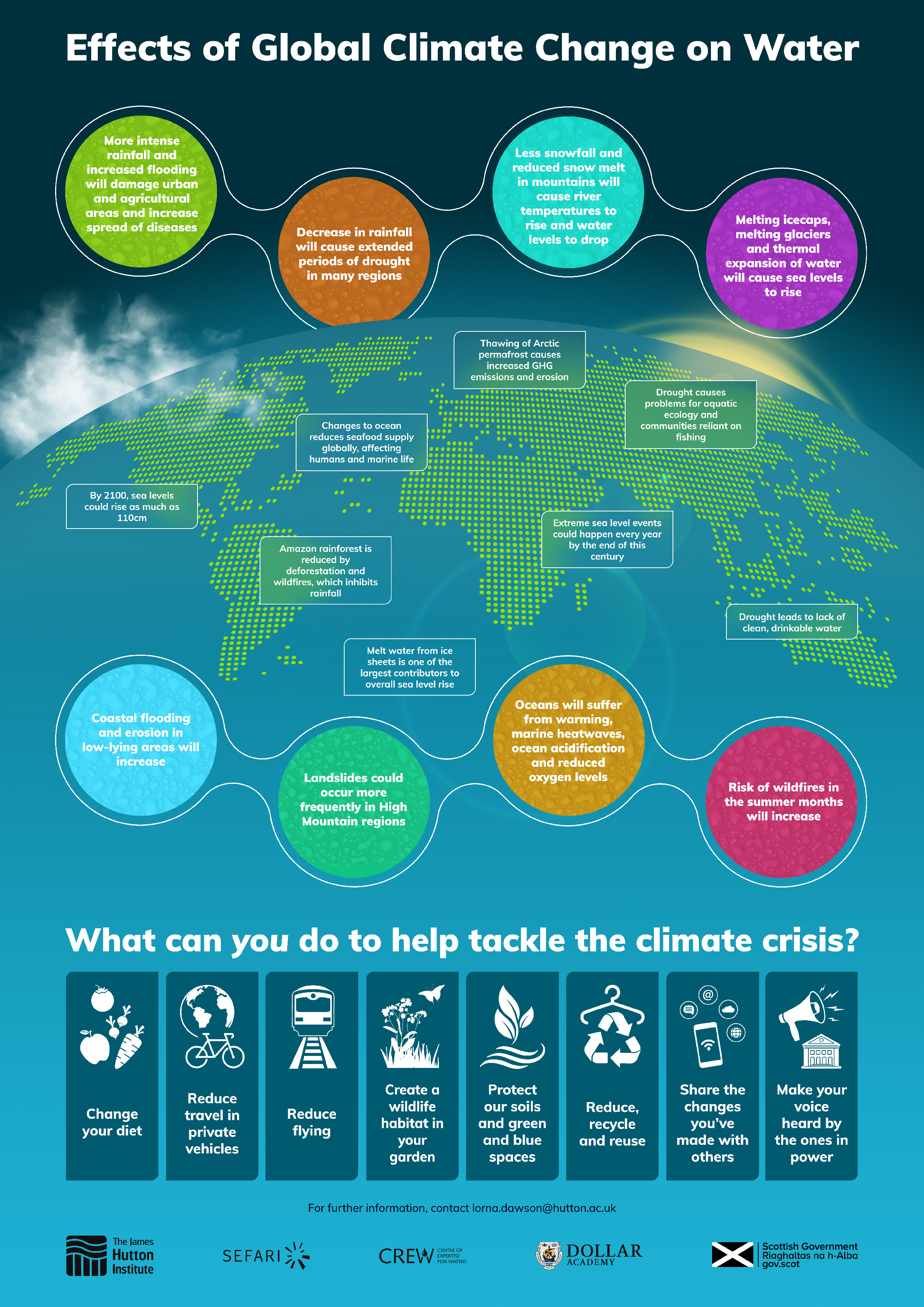
The first of four educational posters on the topic of water, created as part of the Water Words (see related blog) Responsive Opportunity Funded Project.
This report provides selected highlights from research and Knowledge Exchange (KE) during 2020-21, which reflect the strengths and benefits of long-term strategic funding from the Scottish Government. The SRP is delivering integrated, interdisciplinary research that creates significant innovation and practice change, while also underpinning expertise to support advice for policy and practice. Central to this is SEFARI’s enduring relationships with policy, agency, business and civic society across Scotland, UK and globally. SEFARI Gateway is the Centre for Knowledge Exchange and Innovation for the Portfolio.
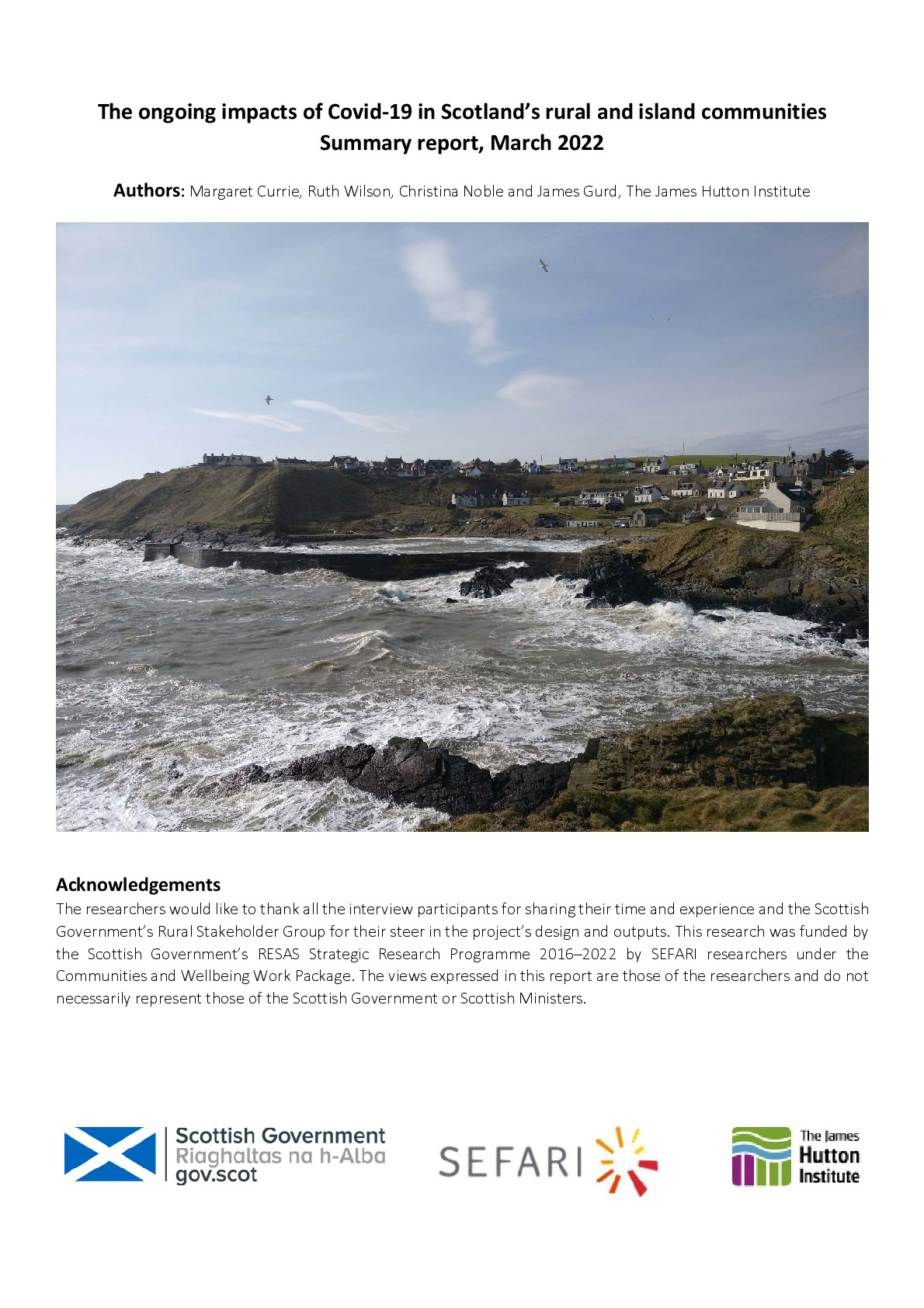
This work represents the third phase of a research project conducted by SRUC and the James Hutton Institute on the impacts of, and responses to, the Covid-19 pandemic on rural Scotland and the prospects for a rural recovery. The previous phases of work incorporated stakeholder interviews to explore factors that promoted or hindered a resilient community response (Phase 1), and spatial analysis to identify areas with lower or higher underlying capacity to be resilient (Phase 2). The Phase 2 mapping was also used to identify the paired case studies used for this report (Phase 3).
This report provides a review of land and environmental monitoring and modelling programmes in England and Wales and draws lessons to build the case for developing a Scottish integrated approach for environmental and land-use statistics, to support evidencebased decision and policy making for the land and agricultural sectors.
Nature-based Solutions (NbS) have been defined many times, but in essence are developing solutions to societal problems using natural processes. Many ways of assessing the potential benefits and disbenefits of these NbS have been put forward and, if these assessment frameworks are to be used for best results, then the most appropriate framework(s) should be identified and recommended to users. This project searched for potential assessment frameworks and carried out a two-stage process to identify the most appropriate framework.
NbS are “actions to protect, sustainably manage and restore natural and modified ecosystems in ways that address societal challenges effectively and adaptively, to provide both human well-being and biodiversity benefits”. The IUCN Global Standard and its Guidance provide a framework for designing and evaluating Nature-based Solutions (NbS). This standard sets out eight criteria which need to be met during both planning and evaluation of NbS. This overview introduces these criteria to encourage application in Scotland and provides links to further explanation and guidance.
Legumes have a key role to play in sustainable agricultural systems. If implemented and managed appropriately, legumes could help protect pollinators whilst enhancing agricultural yield.
A report investigating how farmers interact on the online platform Twitter, with the aim of helping scientists to better facilitate mutual learning and support good farm practice.
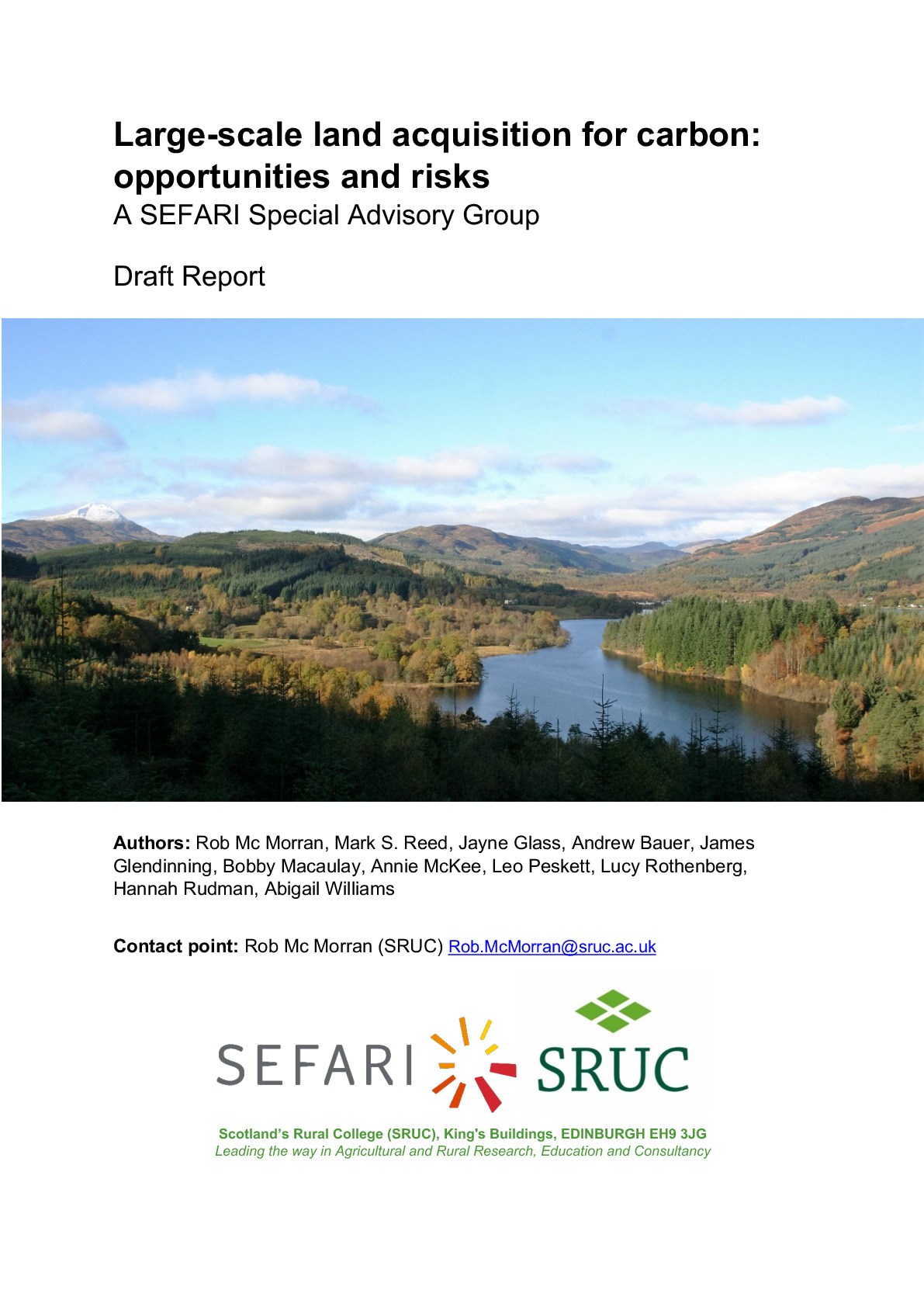
To address constraints to woodland creation in Loch Lomond and Trossachs National Park, the Park Authority launched a small-scale planting grant in 2020 and developed a fellowship in partnership with the Scottish Environment, Food and Agriculture Research Institutes. This summary briefing presents summary findings from the fellowship research, which focused on identifying key constraints to woodland creation uptake and opportunities for enhancing future uptake.
To address constraints to woodland creation in Loch Lomond and Trossachs National Park, the Park Authority launched a small-scale planting grant in 2020 and developed a fellowship in partnership with the Scottish Environment, Food and Agriculture Research Institutes. This report presents summary findings from the fellowship research, which focused on identifying key constraints to woodland creation uptake and opportunities for enhancing future uptake.
The Centres of Expertise (CoE) work at the interface between policy and research, and provide responsive work in areas of high policy importance: climate change, animal disease outbreaks, plant health, water, knowledge exchange and impact .