
Wild & Flo is a vertical farming enterprise based in rural North Yorkshire. The business combines organic principles with self-built technology to create a scalable, energy-independent model tailored to underutilised rural spaces.

Vertegrow began as a commercial vertical farming operator located at Waterside Farm in Aberdeenshire. In partnership with Intelligent Growth Solutions (IGS), the farm launched Scotland’s early vertical farm— deploying a single-tower, 300 m² controlled-environment system in 2020–21 to grow leafy greens, microgreens and herbs year-round with minimal energy use and rainwater harvesting. However, the venture has since shifted from food production to medicinal cannabis cultivation under the company Waterside Pharmaceuticals, founded by Martin Dickie, co-founder of BrewDog.


LettUs Grow is a Bristol-based B-Corp established in 2015 specialising in aeroponics technology.
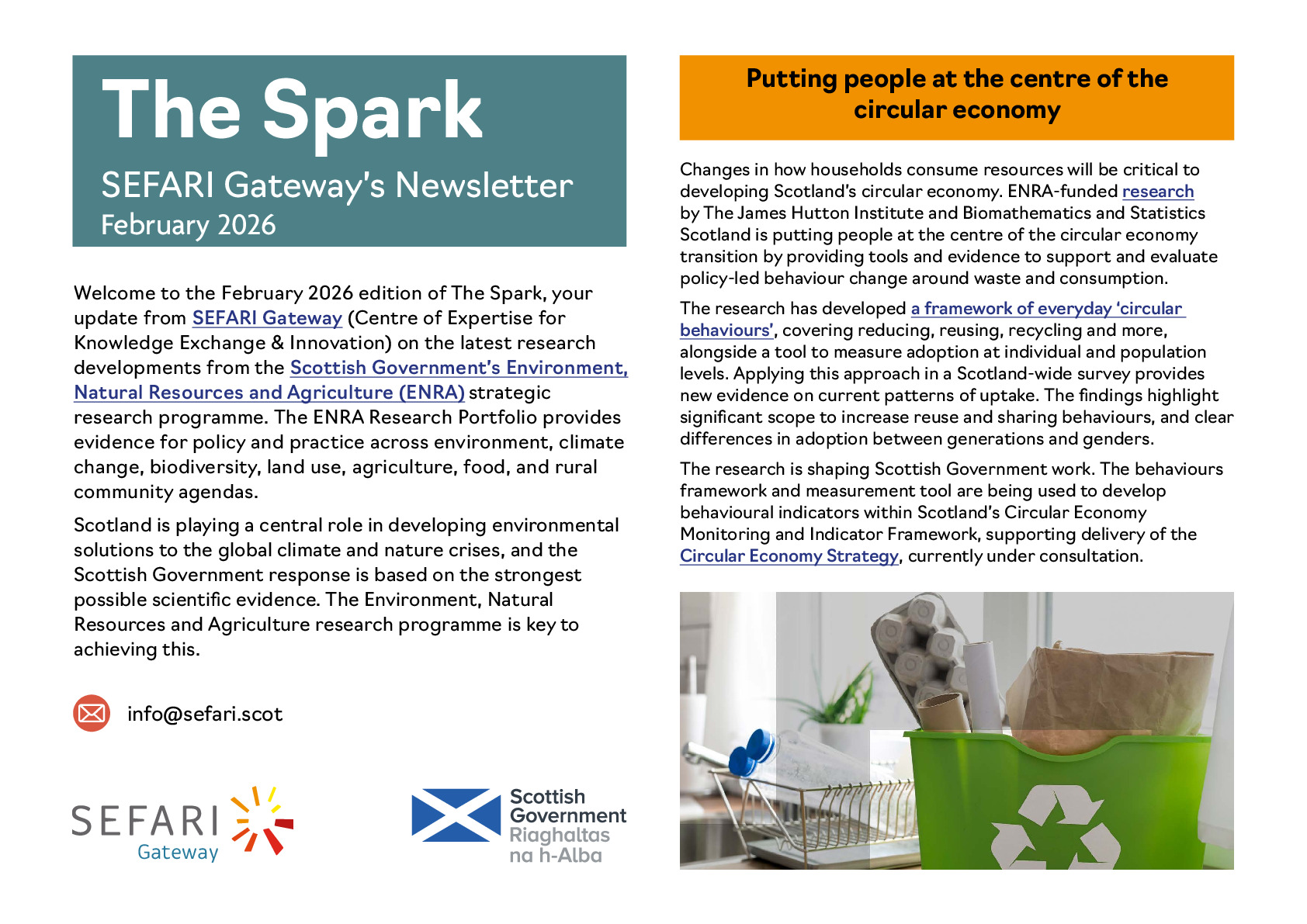
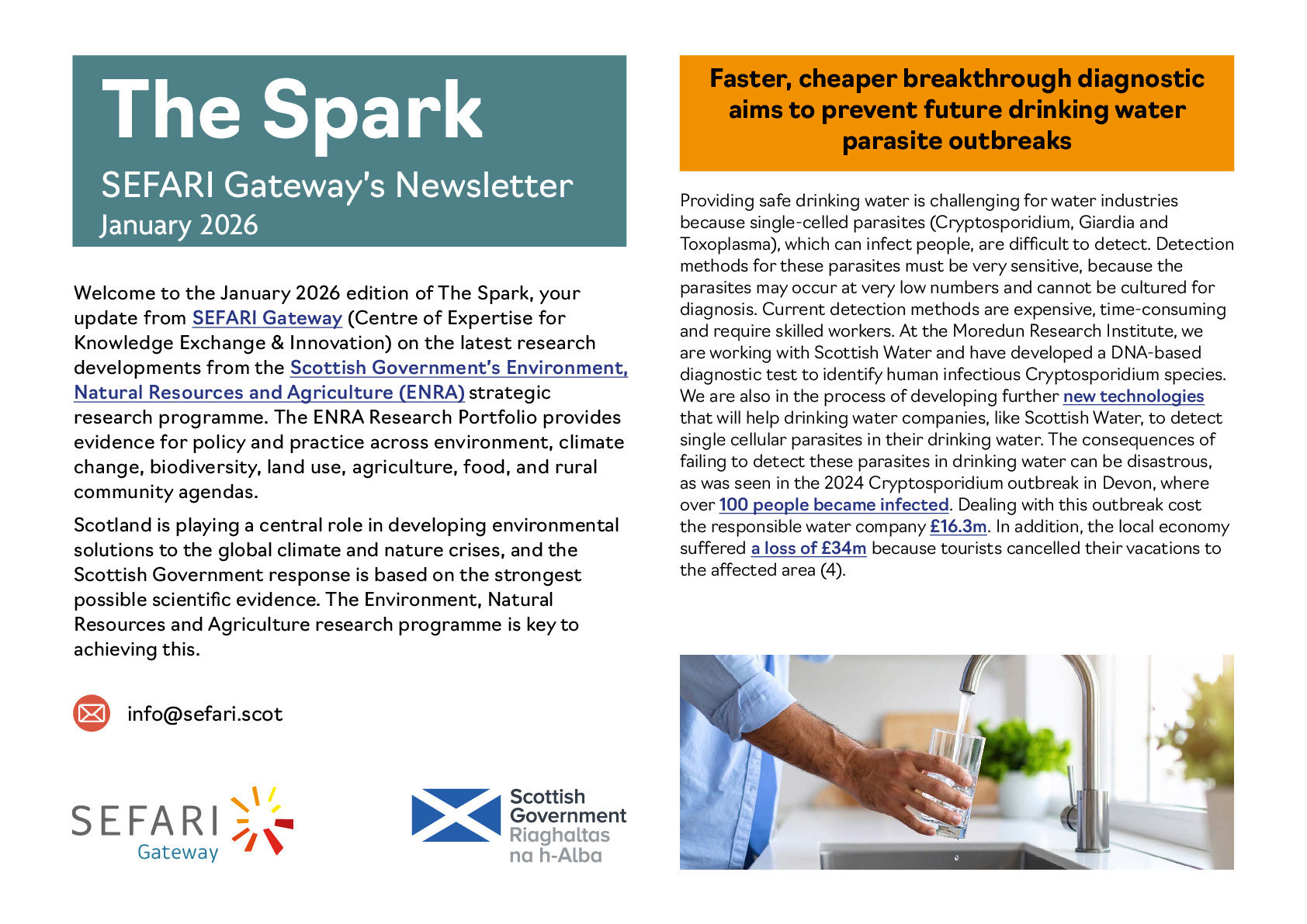
Welcome to the January 2026 edition of The Spark, your update from SEFARI Gateway (Centre of Expertise for Knowledge Exchange & Innovation) on the latest research developments from the Scottish Government’s Environment, Natural Resources and Agriculture (ENRA) strategic research programme. The ENRA Research Portfolio provides evidence for policy and practice across environment, climate change, biodiversity, land use, agriculture, food, and rural community agendas.
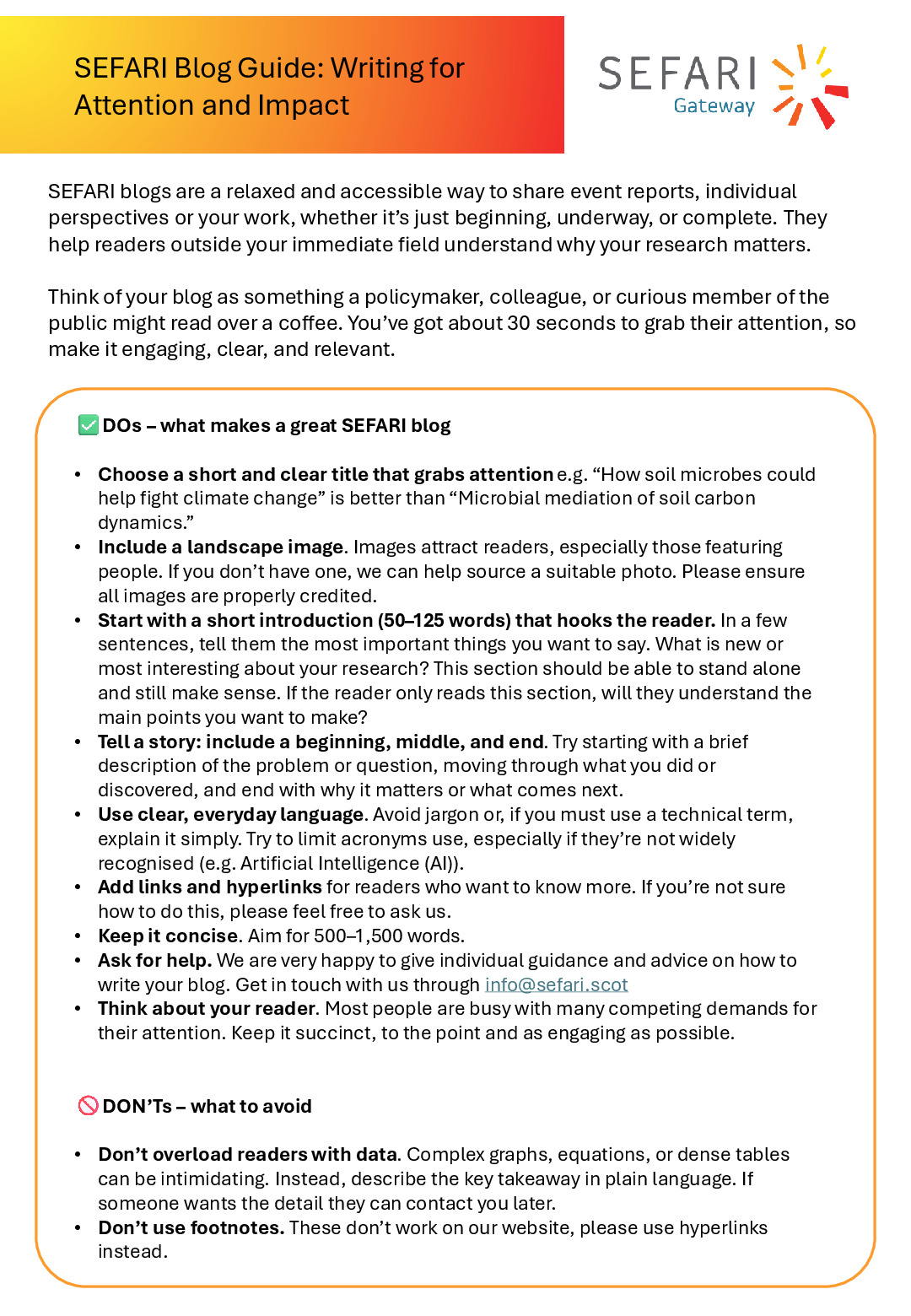
SEFARI blogs are a relaxed and accessible way to share event reports, individual perspectives or your work, whether it’s just beginning, underway, or complete. They help readers outside your immediate field understand why your research matters.
Think of your blog as something a policymaker, colleague, or curious member of the public might read over a coffee. You’ve got about 30 seconds to grab their attention, so make it engaging, clear, and relevant.



We are delighted to share with you the latest copy of the ELPEG Bulletin. The bulletins are produced every six months and summarise the biodiversity research that is happening within the Strategic Research Programme. The bulletins aim to provide a policy relevant summary of the research.
The October 2025 bulletin can be accessed here.

Pictures and biographies of food security conference speakers.
Edinburgh: 5 - 7th November, 2025.
Attendance by invite only.
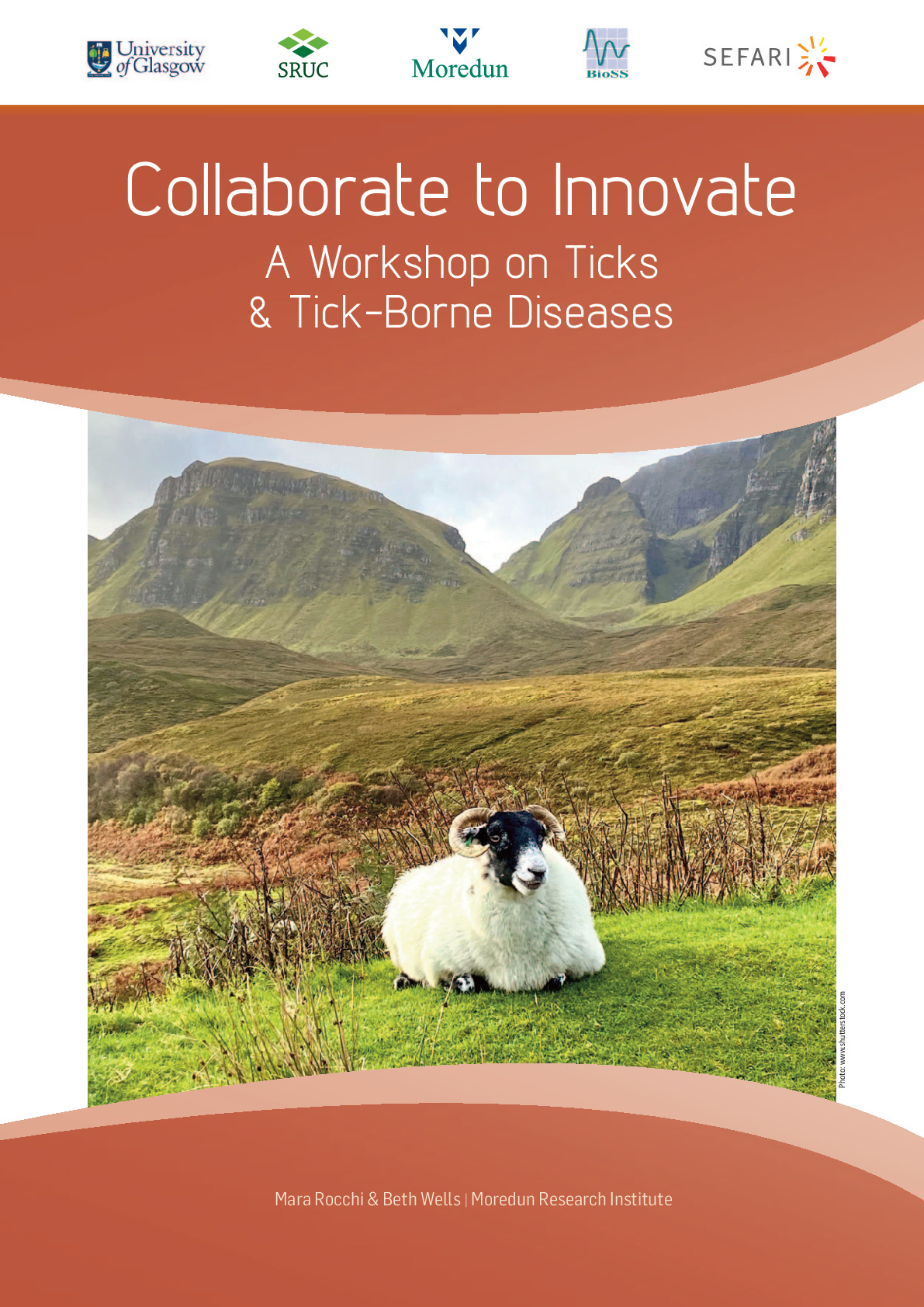
Ticks are external blood-sucking parasites that feed on a variety of hosts including livestock, wildlife and humans. The most common tick in the UK is the sheep tick (Ixodes [I.] ricinus) which is indiscriminate, feeding on a wide range of hosts, from birds to small and large mammals, including humans, whereas many other species of ticks feed more selectively on specific animal species. The sheep tick can carry pathogens responsible for several diseases including louping ill (LI), tickborne fever (TBF), babesiosis (red water), Lyme disease, tick pyaemia and tickborne encephalitis (TBE).
This is a redacted version of survey outputs where personal details have been removed. The response have been provided by individual researchers. For GDPR reasons their details are not provided here.
Should you wish to learn more about the models, please contact the named organisations directly.
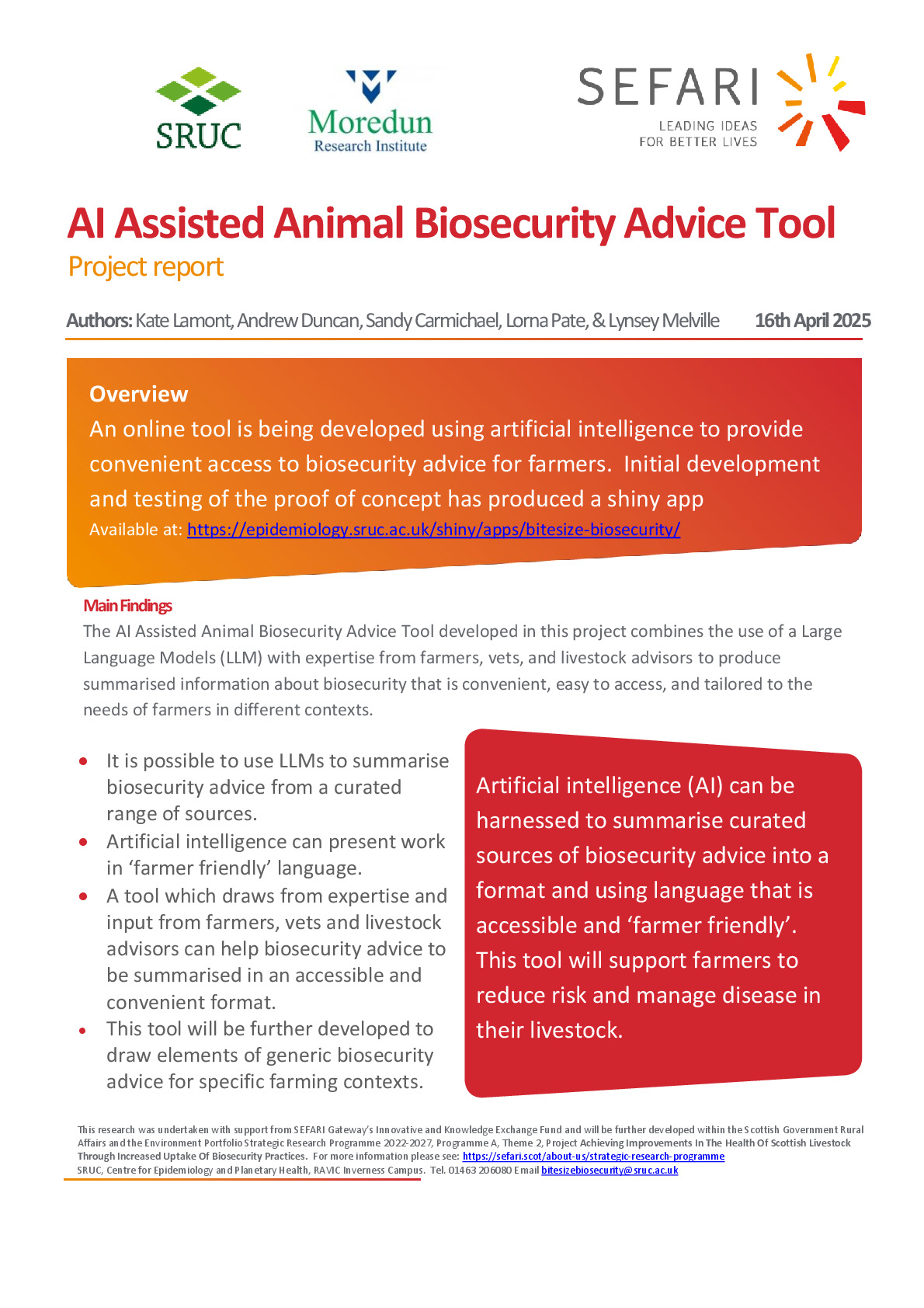
An online tool is being developed using artificial intelligence to provide convenient access to biosecurity advice for farmers. Initial development and testing of the proof of concept has produced a shiny app.
Available at: https://epidemiology.sruc.ac.uk/shiny/apps/bitesize-biosecurity/