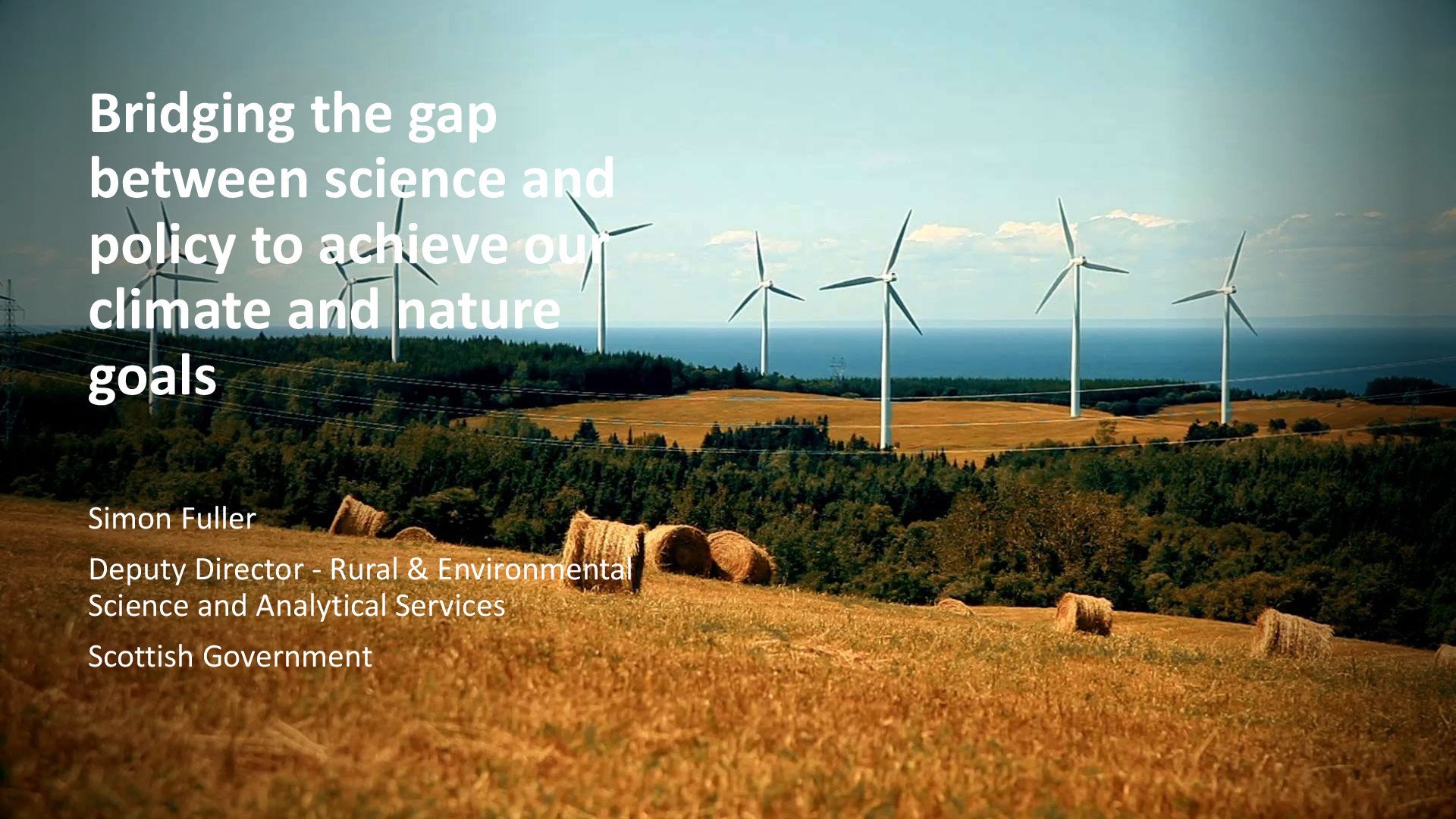
'Bridging the gap between science and policy to achieve our climate and nature goals' - Simon Fuller
Keynote presentation, RESAS Conference 2023.
'Bridging the gap between science and policy to achieve our climate and nature goals' - Simon Fuller
Keynote presentation, RESAS Conference 2023.
A free online tool was developed to assist farmers, vets and livestock health advisors in the interpretation of the clinical implication of faecal egg count (FEC) results from sheep.
Organised by SEFARI Gateway and led by Newsdirect & SPICe, this training session wa
Organised by SEFARI Gateway and led by Newsdirect & SPICe, this training session wa
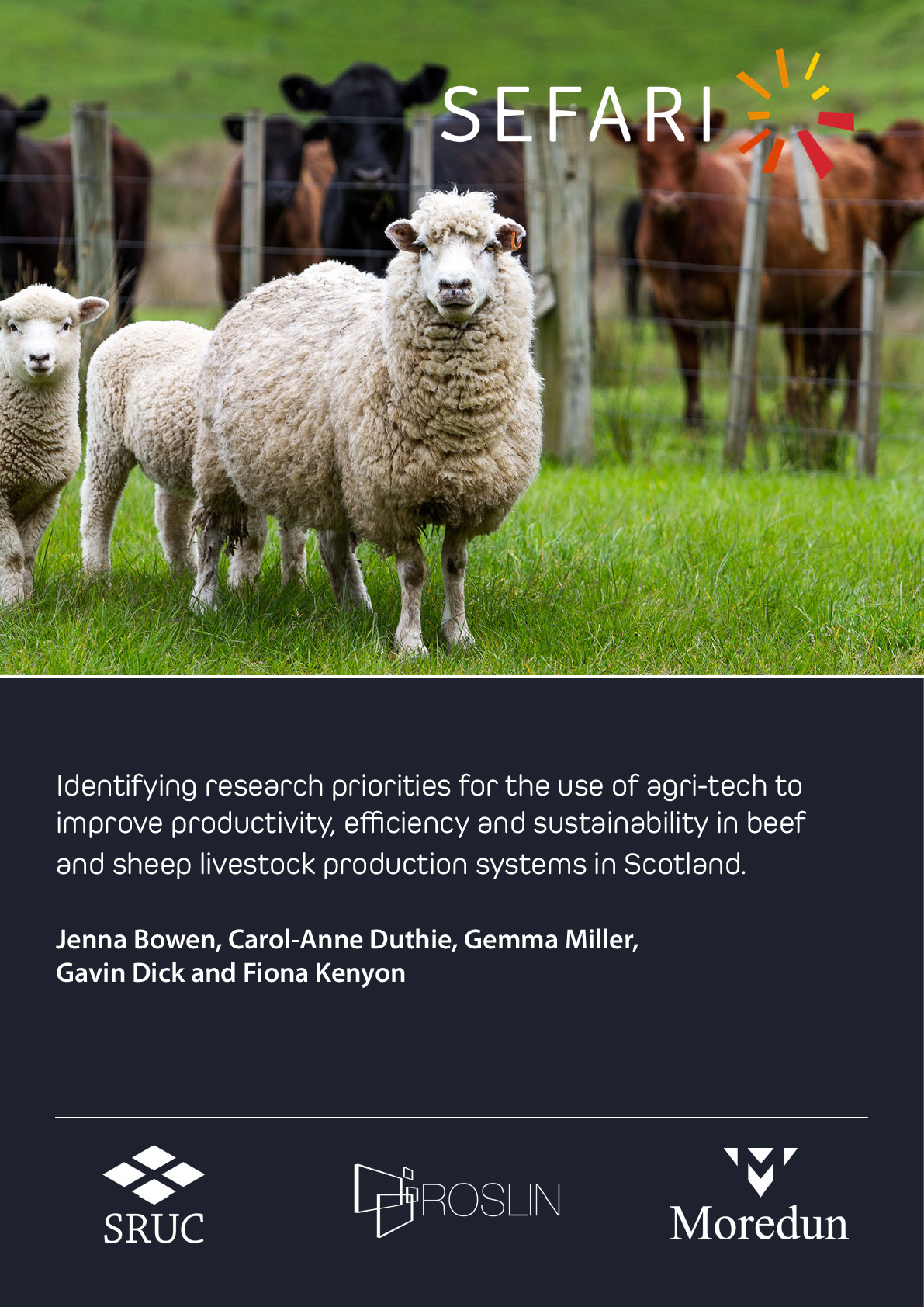
The aim of this SEFARI Spark/Think Tank project, designed to scope current topical issues, was to identify research priority areas for agri-tech use in beef and sheep livestock production systems, where uptake is currently limited. A survey was developed to capture this information, and was distributed between June and August 2020. Opinions on limitations and barriers to uptake were collected. In total, there were 71 responses from a range of respondents including farmers, crofters, consultants, farm advisors, veterinarians and academics/researchers.
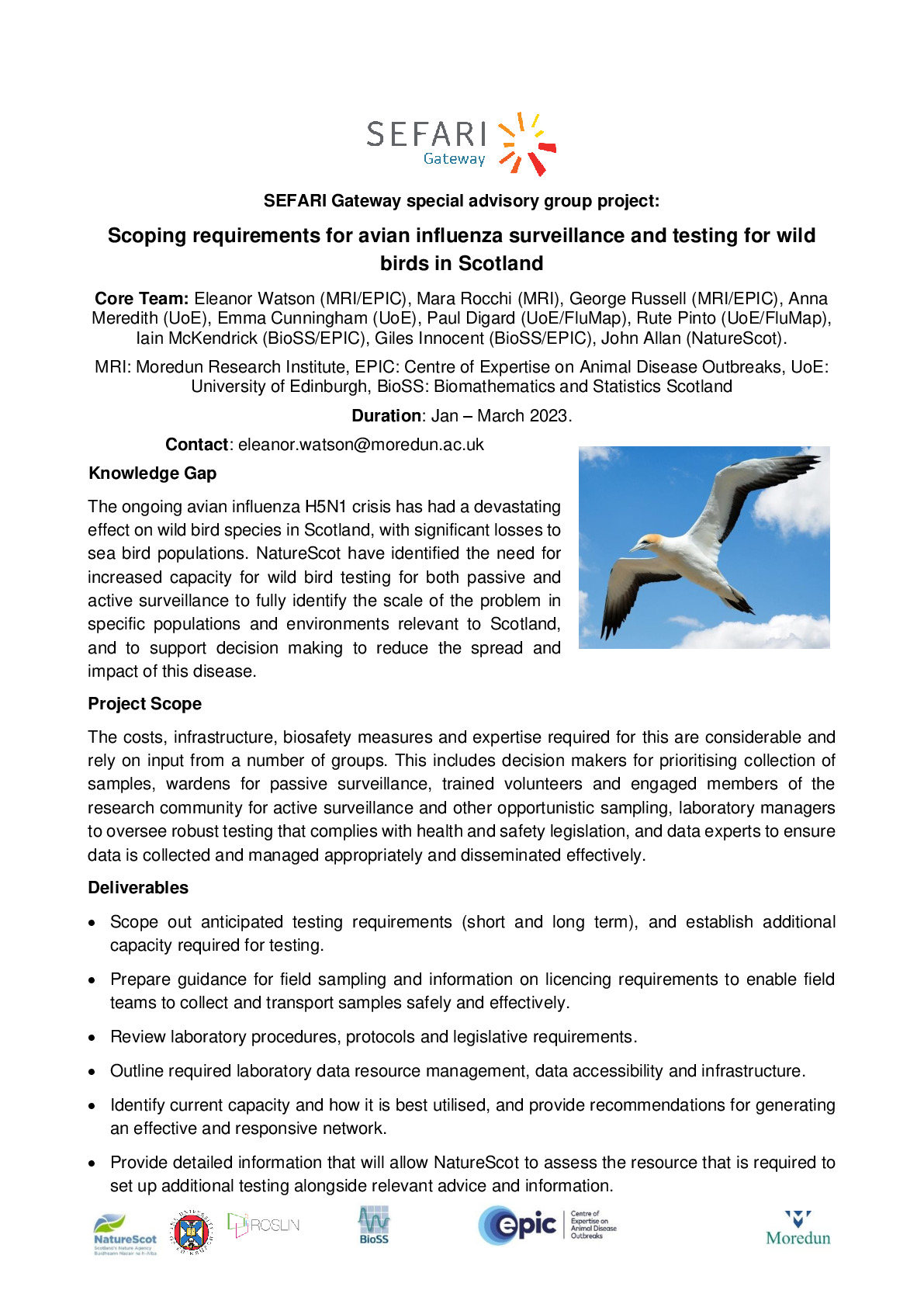
This project is supporting the NatureScot Scientific Advisory Committee avian influenza sub-group to increase capacity for wild bird testing for both passive and active surveillance to fully identify the scale of the problem and to support decision making in reducing the spread and impact of this disease.
This report provides selected highlights from the year 2021-22 of the Scottish Government-funded Strategic Research Programme (SRP). The SRP, and its underpinning of SEFARI, is delivering integrated, interdisciplinary research that is creating significant innovation and practice change. The SRP also underpins expertise available for policy advice. Central to this success are SEFARI’s enduring relationships with policy, agency, business and civic sectors across Scotland, UK and globally.
This report summarises the extensive and multifaceted impacts arising from the Strategic Research Programme 2016-2022, supporting Scotland’s commitment to UN Sustainable Development Goals and including impacts showcased throughout COP26.
The report is organised by the three themes of the Strategic Research Programme and lists the outputs and outcomes related to support for policy and practice, innovation and the economy, collaboration and multidisciplinary research, and scientific excellence and scientific resilience.
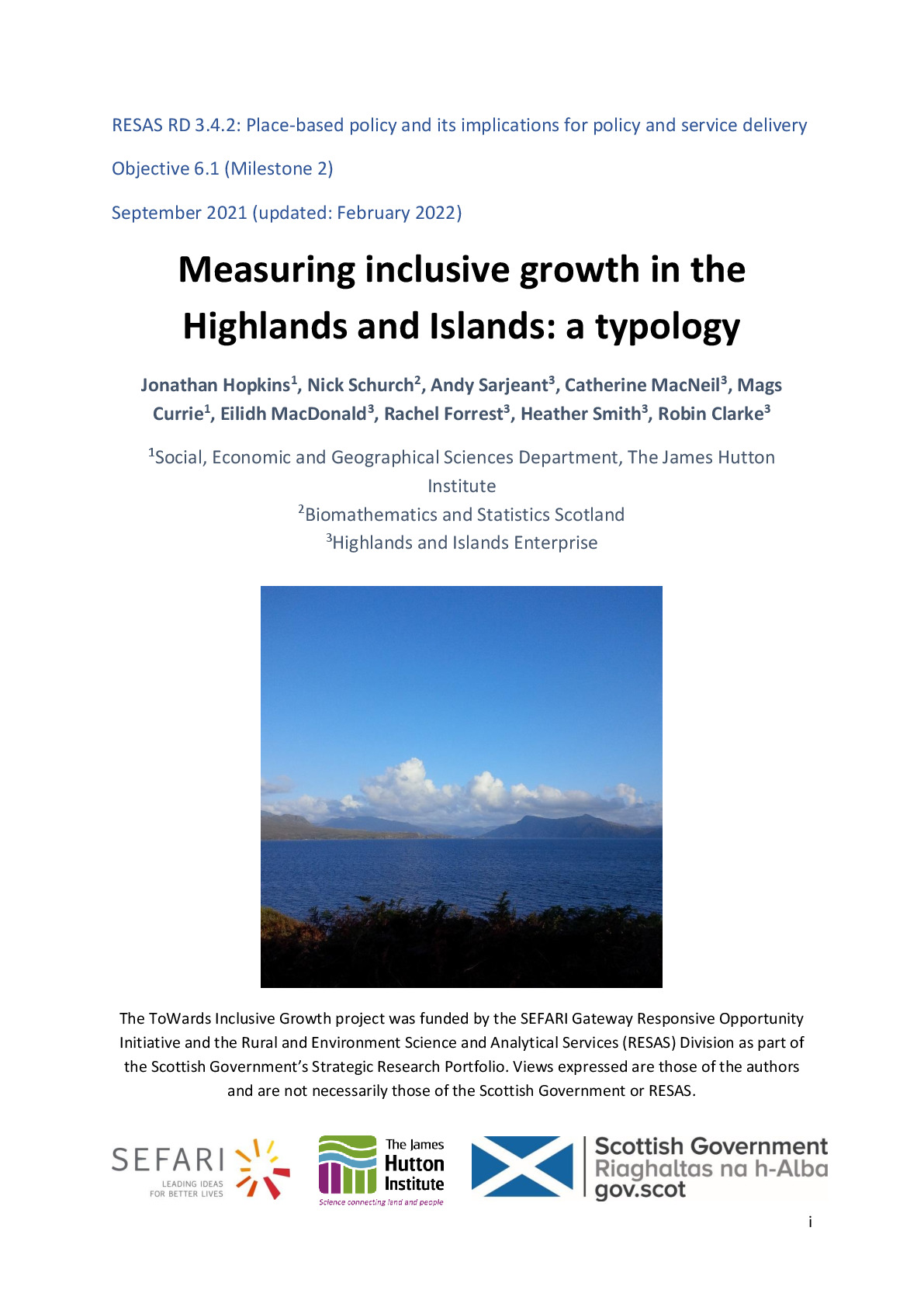
Jonathan Hopkins1, Nick Schurch2, Andy Sarjeant3, Catherine MacNeil3, Mags Currie1, Eilidh MacDonald3, Rachel Forrest3, Heather Smith3, Robin Clarke3
1 Social, Economic and Geographical Sciences Department, The James Hutton Institute; 2 Biomathematics and Statistics Scotland; 3 Highlands and Islands Enterprise.
SEFARI Gateway is delighted to provide funding for a new Fellowship with the Cairngorms National Park Authority as part of the Cairngorms 2030 programme.
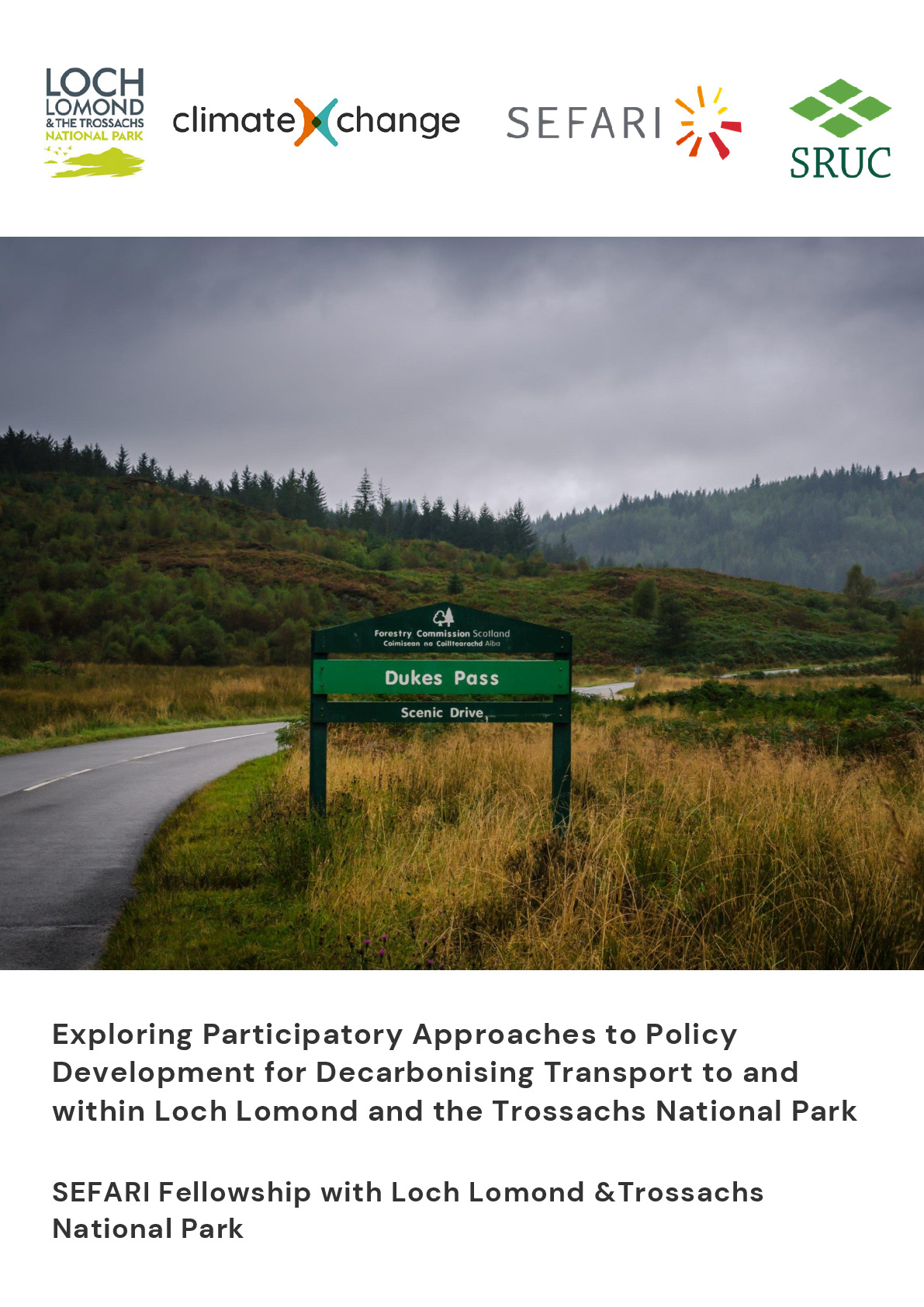
The climate emergency presents a double challenge for public bodies as they reduce their greenhouse gas emissions and learn to adapt to the already changing climate. The Scottish government is committed to deliver a Just Transition to Net Zero by 2045 meaning that public entities must come up with innovative ways to meet these targets.
The Loch Lomond and the Trossachs National Park covers a largely rural area in the west of Scotland and want to address the ‘wicked issues' of rural car dependency and carbon-intensive travel to LLTNP.
This booklet represents the collated outputs from a SEFARI Gateway-funded Fellowship, undertaken by Dr Gemma Miller, Scotland’s Rural College (SRUC) with the National Farmers Union Scotland (NFUS). The SEFARI Gateway Fellowships embed a researcher or team of Portfolio-funded researchers with a policy team, agency or sector organisation, with a key focus on working in partnership to deliver to Scotland’s National Outcomes and Sustainable Development Goals.
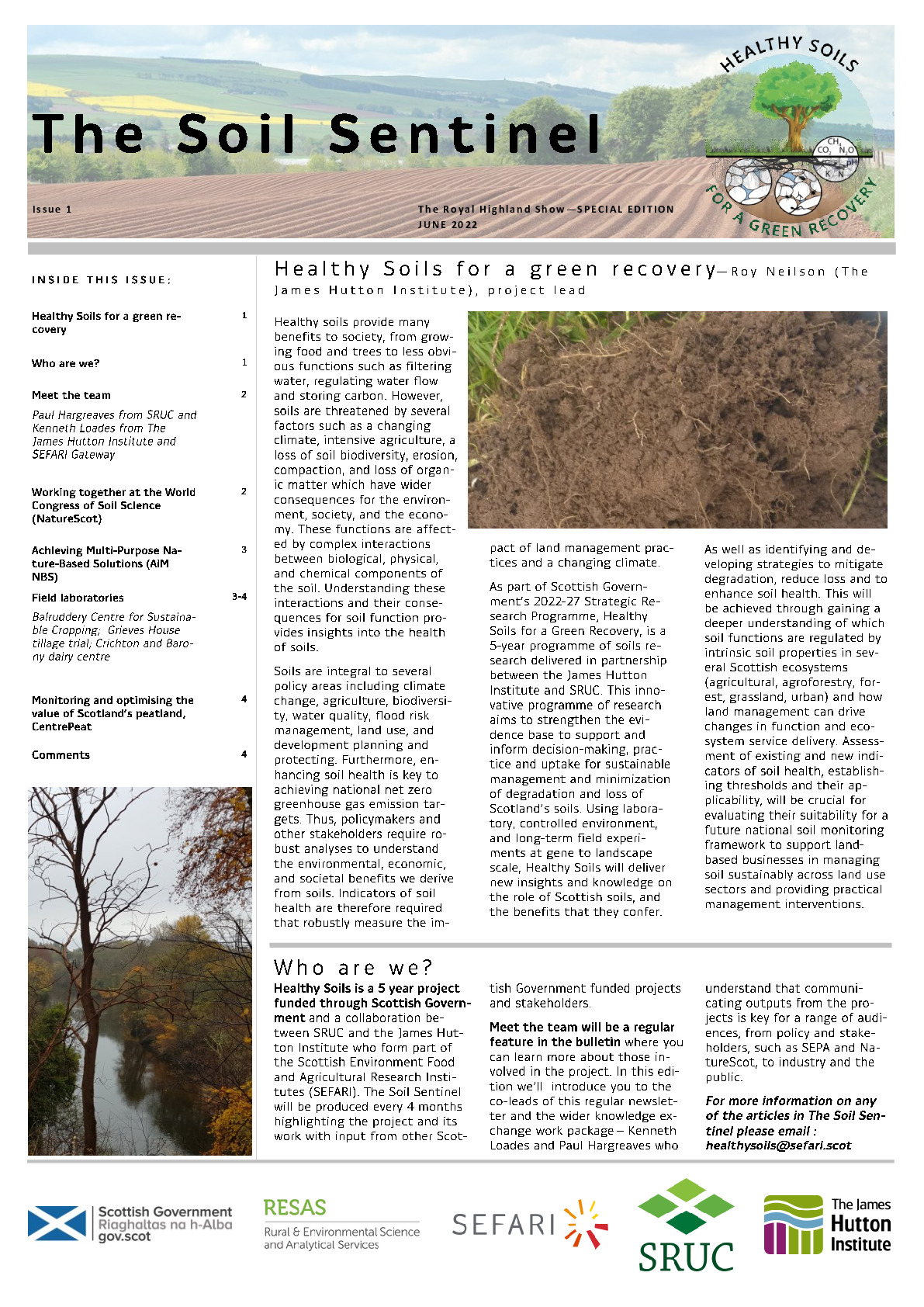
The Soil Sentinel is a new newsletter circulated every four months as part of Healthy Soils, a five year Scottish Governement funded project delivered as part of the Environment, Natural Resources and Agriculture Strategic Research Portfolio (2022-2027). The Soil Sentinel will provide project highlights and its work with input from other Scottish Government funded projects and stakeholders.
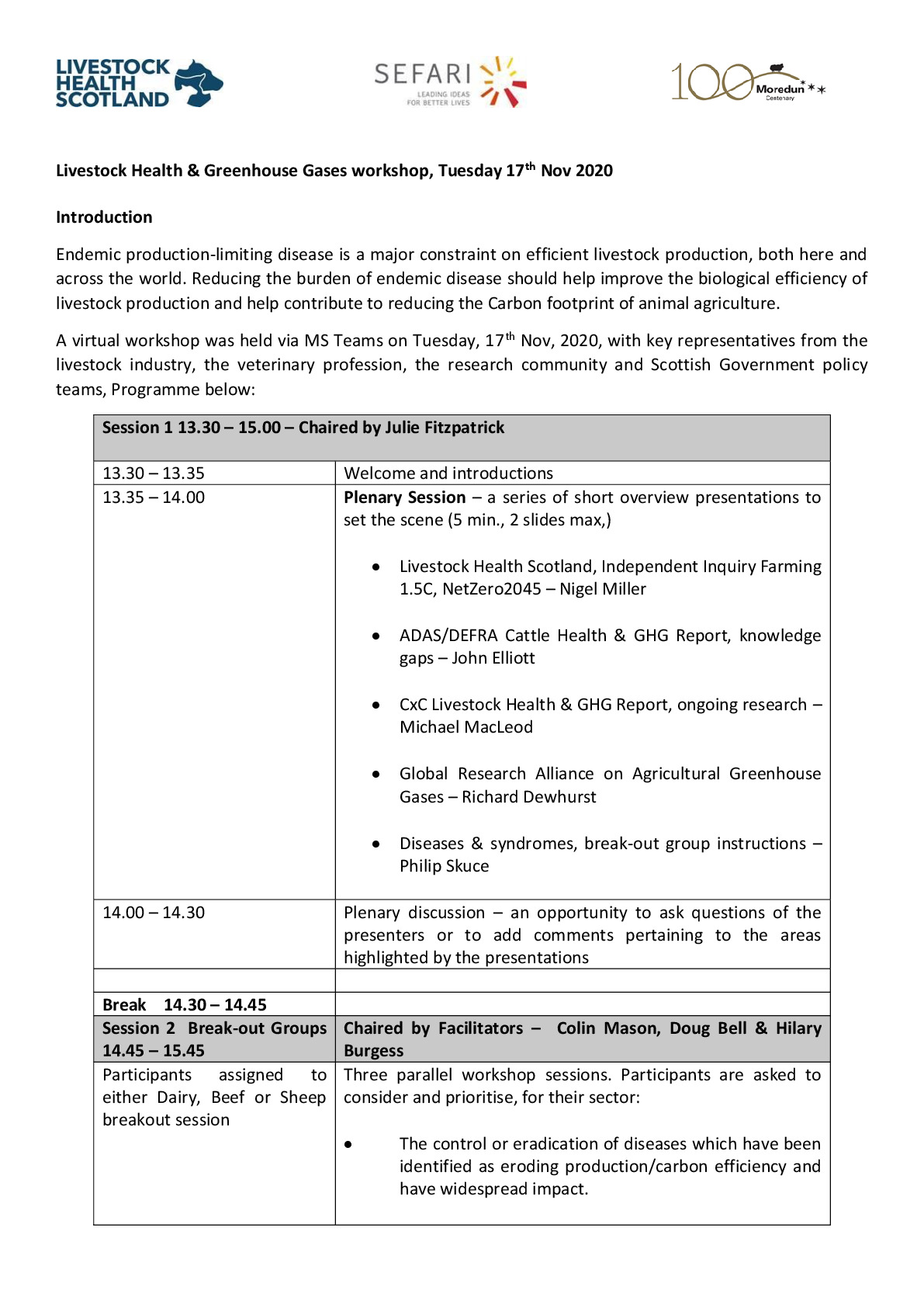
A SEFARI Gateway-funded Specialist Advisory Group brought together a broad range of expertise across key industry stakeholders, Government Policy Leads and relevant SEFARI researchers to discuss livestock health and greenhouse gas emissions (GHG), to prioritise health conditions that have the greatest impact on emissions and to identify practical disease intervention strategies and pathways to impact that will encourage uptake across the industry. The Group conducted an online workshop on the 24th of November 2020.
The Royal Highland Show represents one of the key gatherings for the Portfolio, exemplifying its role in partnering research and expertise with and across policy, industry and communities.
In this booklet find out about a range of our activities during the 2022 show (23rd-26th June). Activities are taking place across the showground, at venues such as the Scottish Government Pavilion and the SEFARI Institute Pavilions, and a map is included at the back of the booklet.
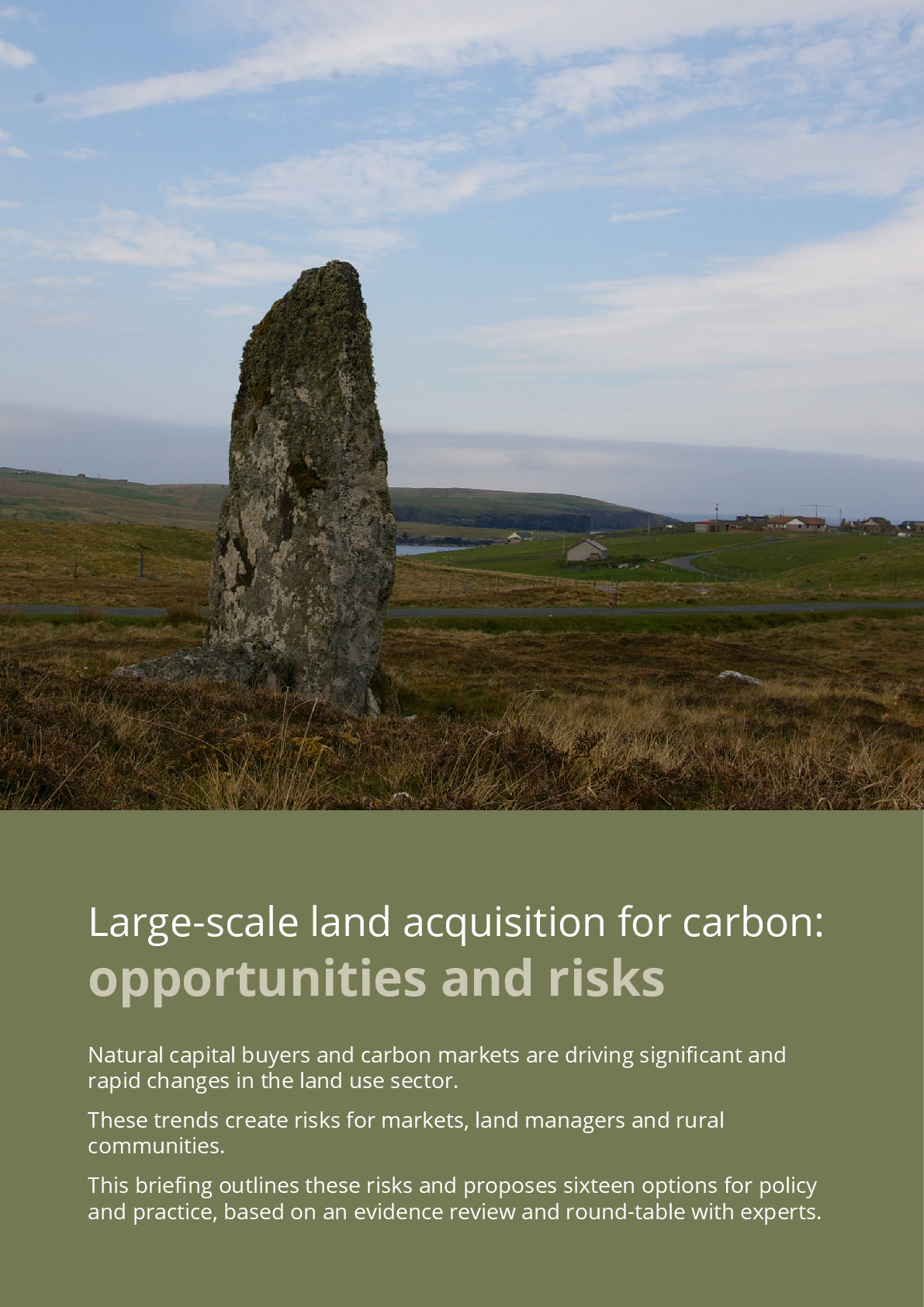
Interest in carbon markets has increased rapidly in recent months, leading to new market opportunities and interest in acquiring land to invest in natural capital, typically through tree planting and restoration of degraded peatland habitats. However, the extent to which natural capital investment is driving transactions is unclear, with owners and purchasers potentially influenced by many factors. There is also uncertainty around how large-scale land acquisitions might interact with post-Brexit policies under development across the UK and the interests of rural communities.
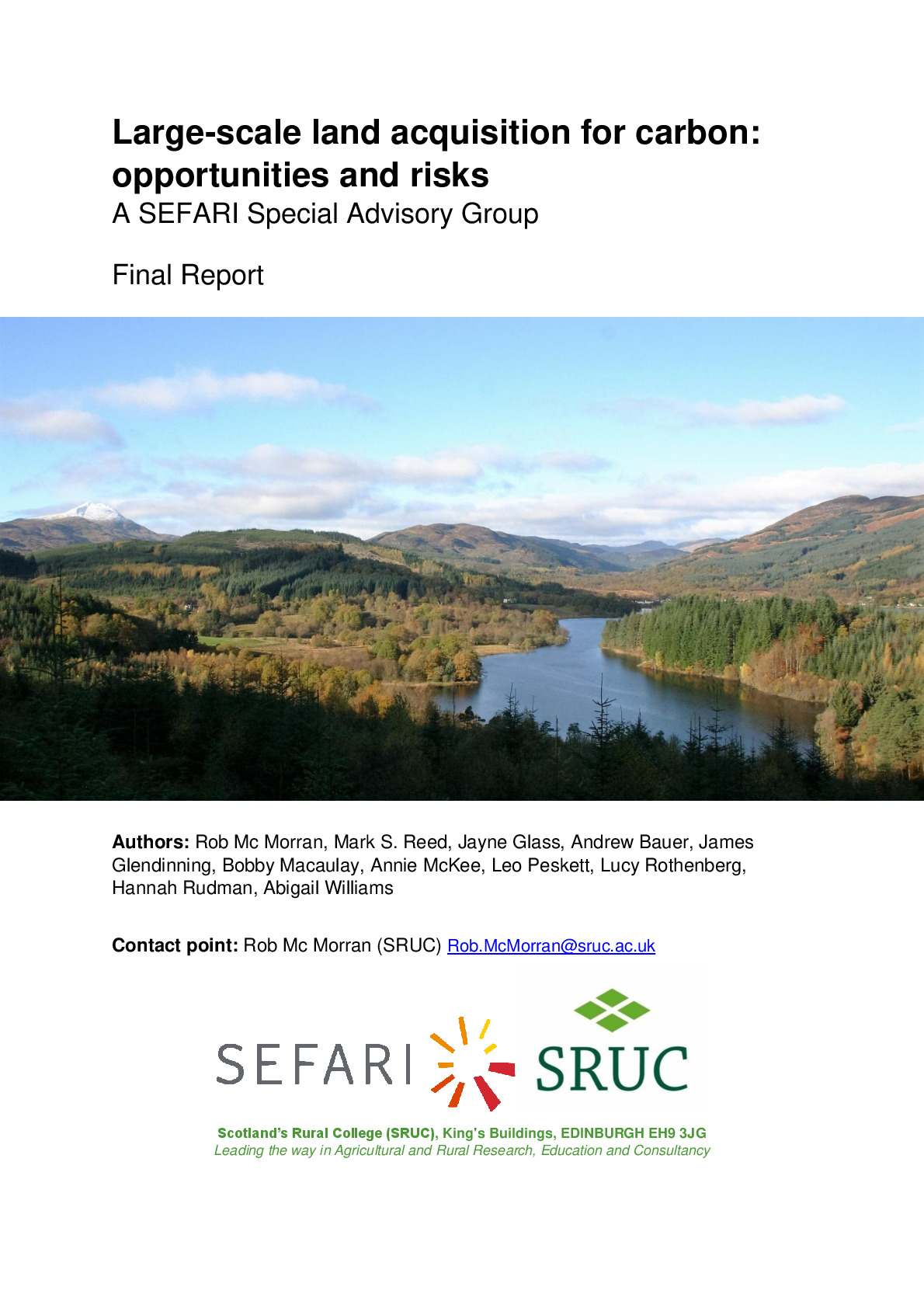
Interest in carbon markets has increased rapidly in recent months, leading to new market opportunities and interest in acquiring land to invest in natural capital, typically through tree planting and restoration of degraded peatland habitats. However, the extent to which natural capital investment is driving transactions is unclear, with owners and purchasers potentially influenced by many factors. There is also uncertainty around how large-scale land acquisitions might interact with post-Brexit policies under development across the UK and the interests of rural communities.
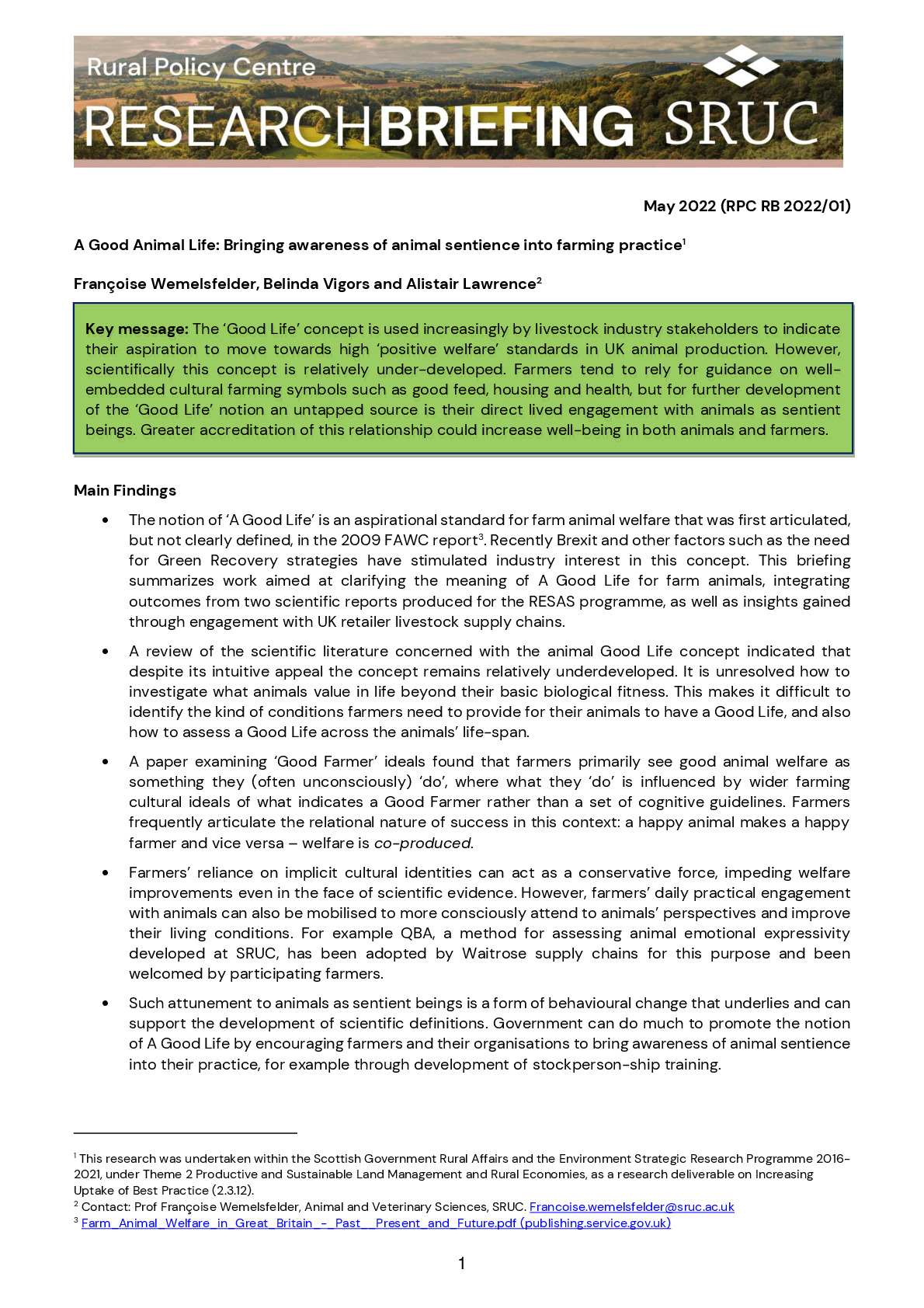
Research Briefing