Authors: Catriona Mallows and Bobby Macaulay
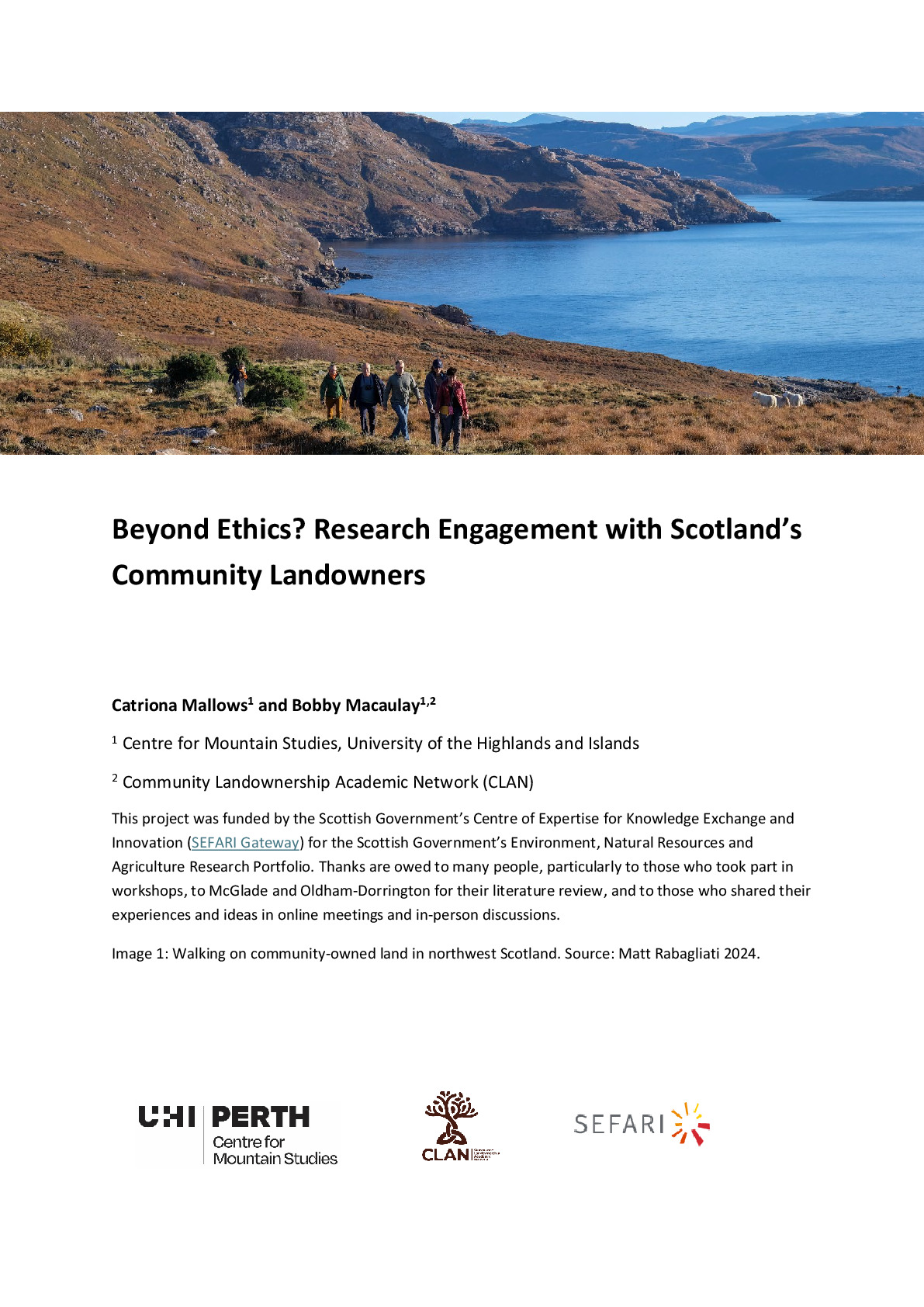
Authors: Catriona Mallows and Bobby Macaulay
Compiled by Dr Ioanna Akoumianaki, Policy and Impact Officer, SEFARI Gateway.
An impact assessment on a fellowship that has shifted thinking but not yet reshaped policy.
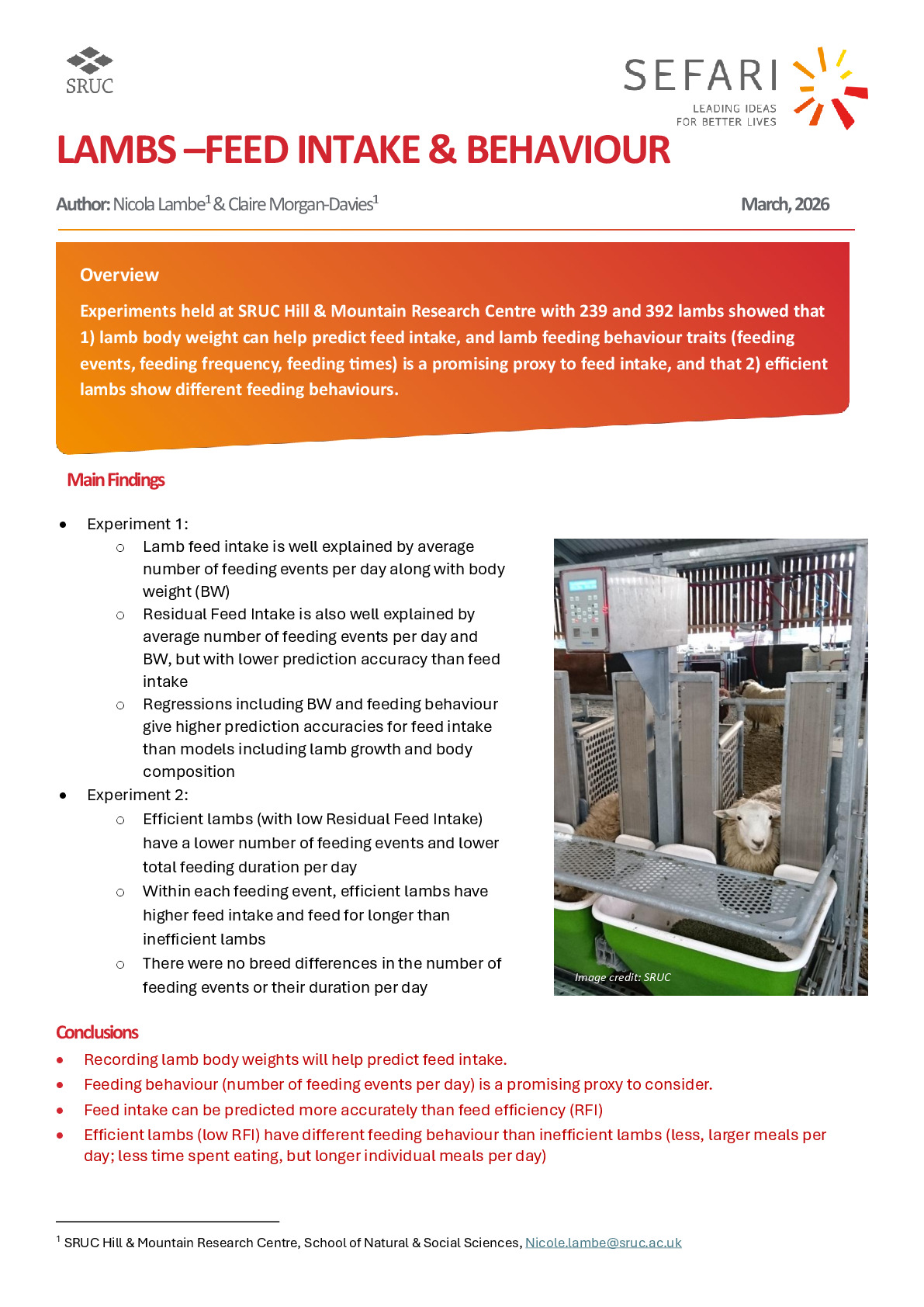
Authors: Nicola Lambe & Claire Morgan-Davies (SRUC)
Experiments held at SRUC Hill & Mountain Research Centre with 239 and 392 lambs showed that 1) lamb body weight can help predict feed intake, and lamb feeding behaviour traits (feeding events, feeding frequency, feeding times) is a promising proxy to feed intake, and that 2) efficient lambs show different feeding behaviours.
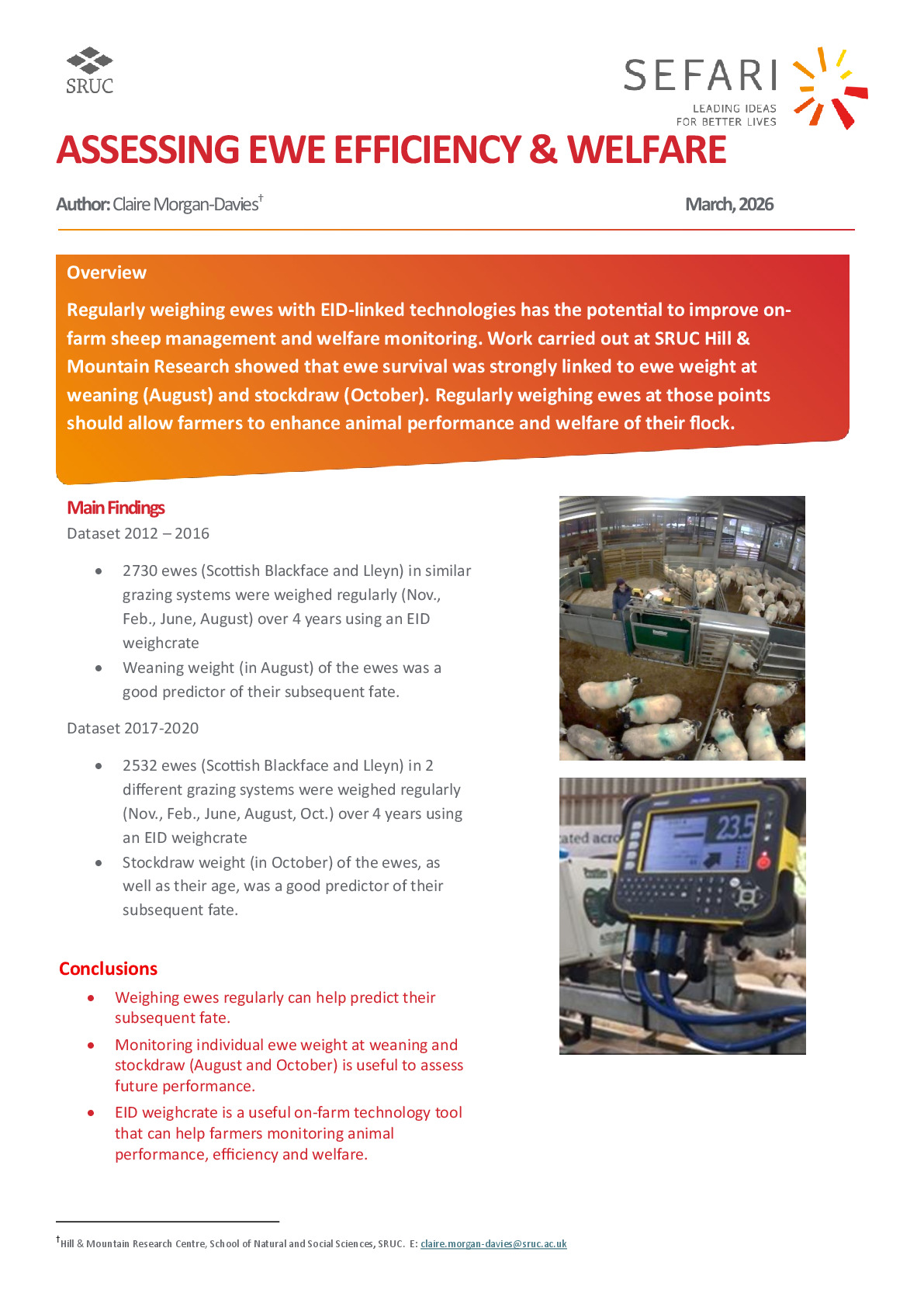
Author: Claire Morgan-Davies (SRUC)
Regularly weighing ewes with EID-linked technologies has the potential to improve on farm sheep management and welfare monitoring. Work carried out at SRUC Hill & Mountain Research showed that ewe survival was strongly linked to ewe weight at weaning (August) and stockdraw (October). Regularly weighing ewes at those points should allow farmers to enhance animal performance and welfare of their flock.
Authors: Peter M. Hollingsworth, David O’Brien and Rob Ogden.
Royal Botanic Garden Edinburgh, The University of Edinburgh
Report prepared by SEFARI Fellows David Cooke and Eulyn Pagaling
The James Hutton Institute
For more information visit the research page here: Evaluation and mitigation of mycotoxin contamination across the Scottish cereal supply chain to assess human exposure and inform risk analysis | SEFARI
Centre: Scotland's Centre of Expertise for Knowledge Exchange and Innovation (CKEI, known as SEFARI Gateway)
Lead: Professor Charles Bestwick
Compiled by Ioanna Akoumianaki
Title of Impact Case Study: Using SEFARI Gateway research in natural capital, agriculture, food systems, biodiversity and the rural economy during 2022–2027: Impact from two flagship projects
Flagship project 1: Estimating the health and welling value of the natural capital of the NHS estates
Flagship project 2: Genetic Diversity Scorecard update
An Interview with Dr Alison Karley
This interview was held on 11 March 2025
Dr Alison (‘Ali’) Karley (AK) is a researcher in the Agroecology Group at the James Hutton Institute, now Head of the Ecological Sciences department. She contributed to the SEFARI Gateway-funded project Roadmap for Reducing Greenhouse Gas Emissions from the Scottish Potato Crop, working alongside colleagues from Scottish Rural College (SRUC). The project produced a phased roadmap for reducing emissions from one of Scotland’s most economically important crops.
An Interview with Dr David Boldrin
This interview was held on 12 March 2025
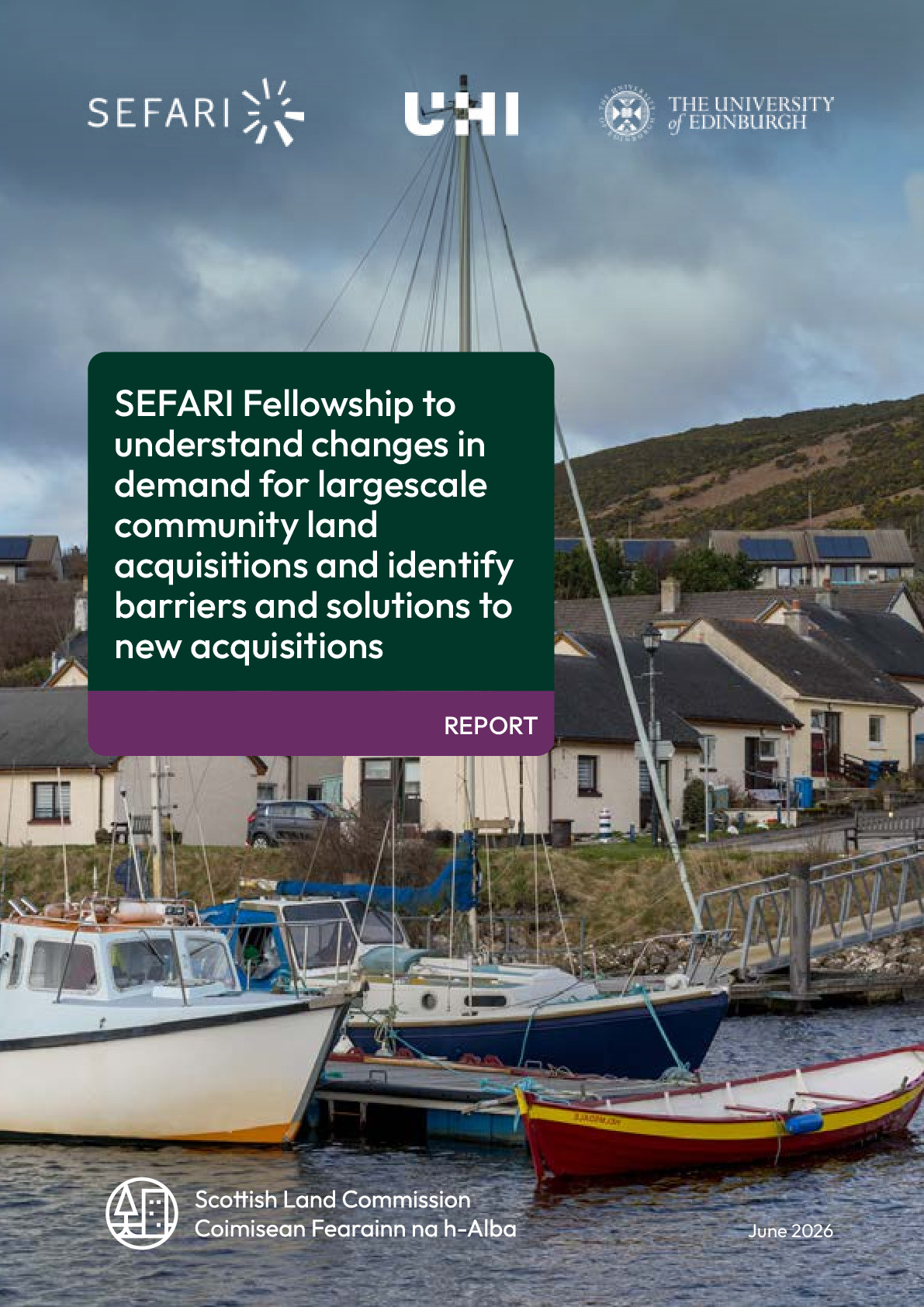
The number of new largescale community land acquisitions has slowed over the past ten years. Largely, respondents in this research suggested this was less to do with a decrease in demand, but rather an increase in barriers to acquisition. Barriers identified by respondents were:
Emerging climate-smart technologies will need to play a key role in reducing greenhouse gas (GHG) emissions from beef production, however, their impact at farm level is not fully quantified. Modelling using real Scottish beef farm data demonstrated that three emerging climate-smart technologies: feed additives (including bolus), microbiome-driven breeding and GreenShed (a methane capturing cattle shed that utilises waste products to power the shed and grow indoor crops) reduced both whole farm and product emissions across all farms.
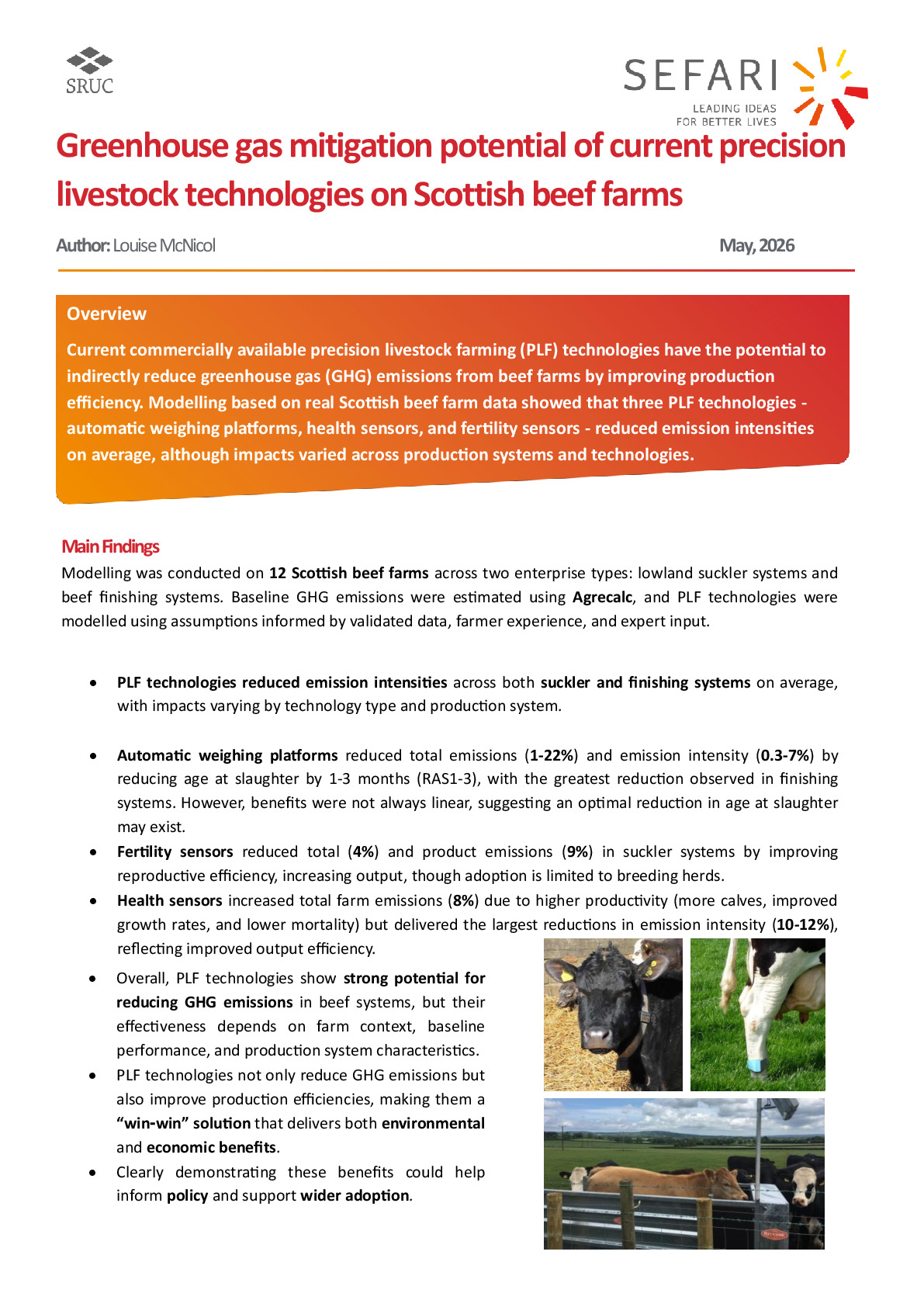
Current commercially available precision livestock farming (PLF) technologies have the potential to indirectly reduce greenhouse gas (GHG) emissions from beef farms by improving production efficiency. Modelling based on real Scottish beef farm data showed that three PLF technologies - automatic weighing platforms, health sensors, and fertility sensors - reduced emission intensities on average, although impacts varied across production systems and technologies.
Author: Cathy Hawes
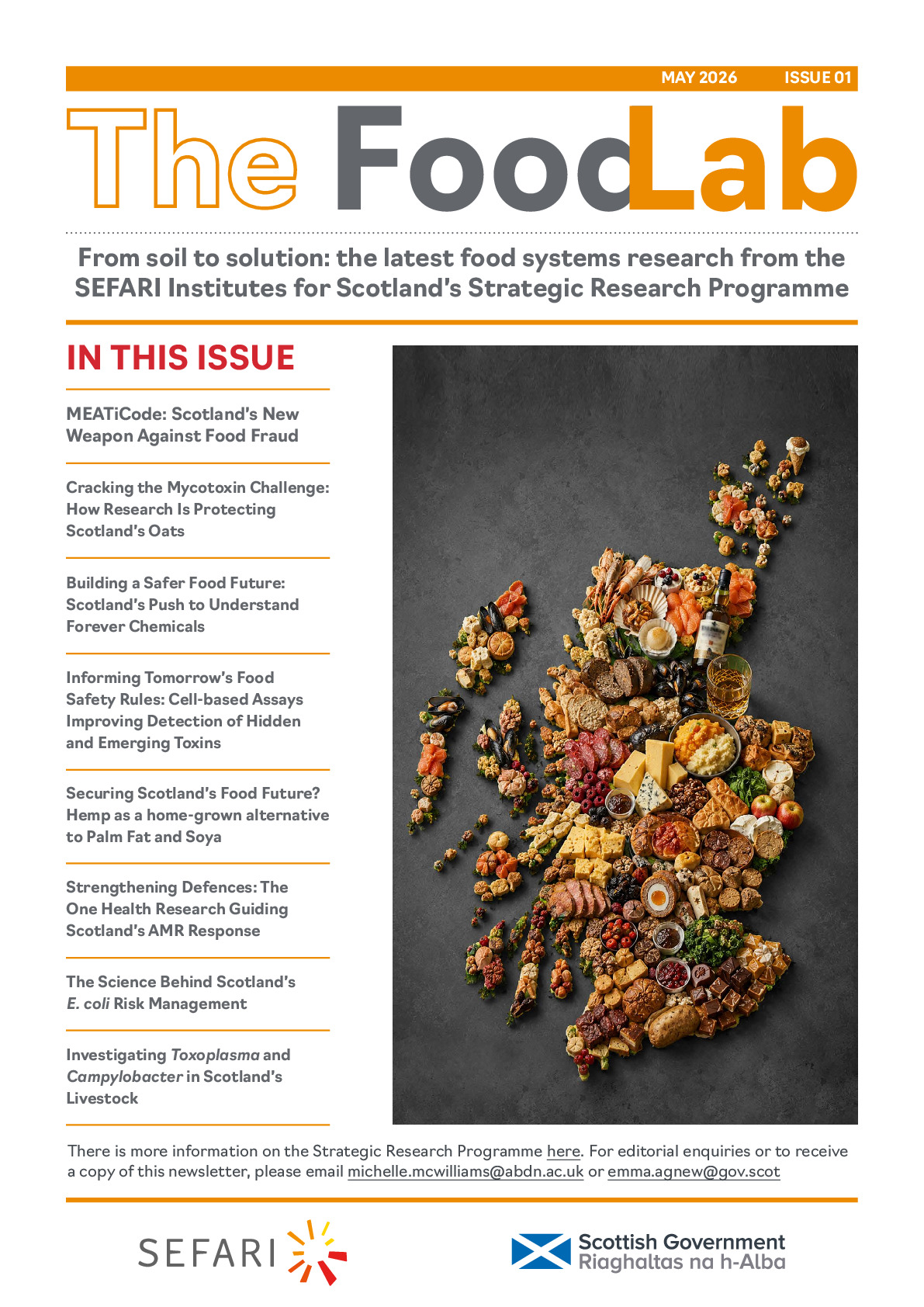
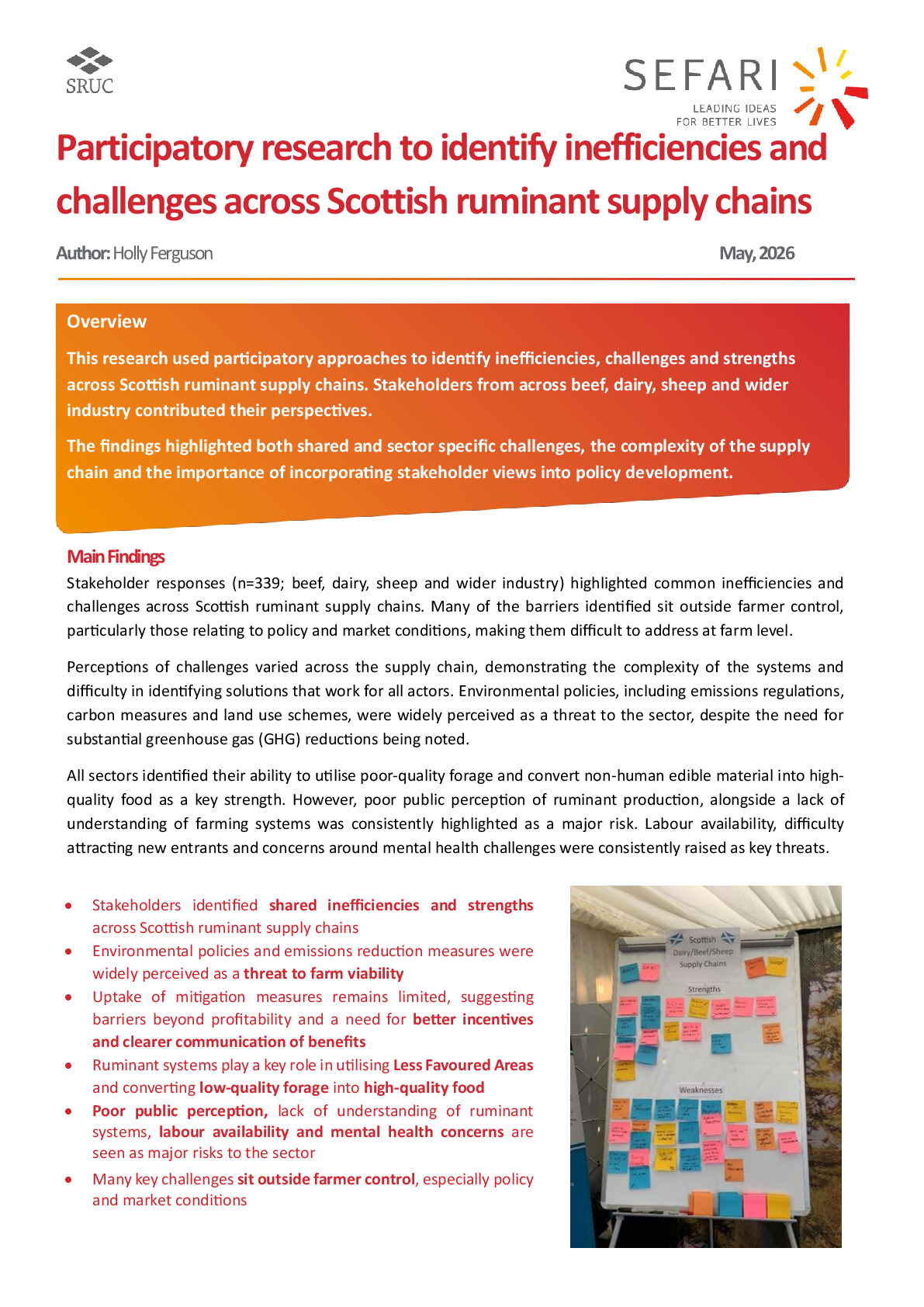
This research used participatory approaches to identify inefficiencies, challenges and strengths across Scottish ruminant supply chains. Stakeholders from across beef, dairy, sheep and wider industry contributed their perspectives. The findings highlighted both shared and sector specific challenges, the complexity of the supply chain and the importance of incorporating stakeholder views into policy development.#
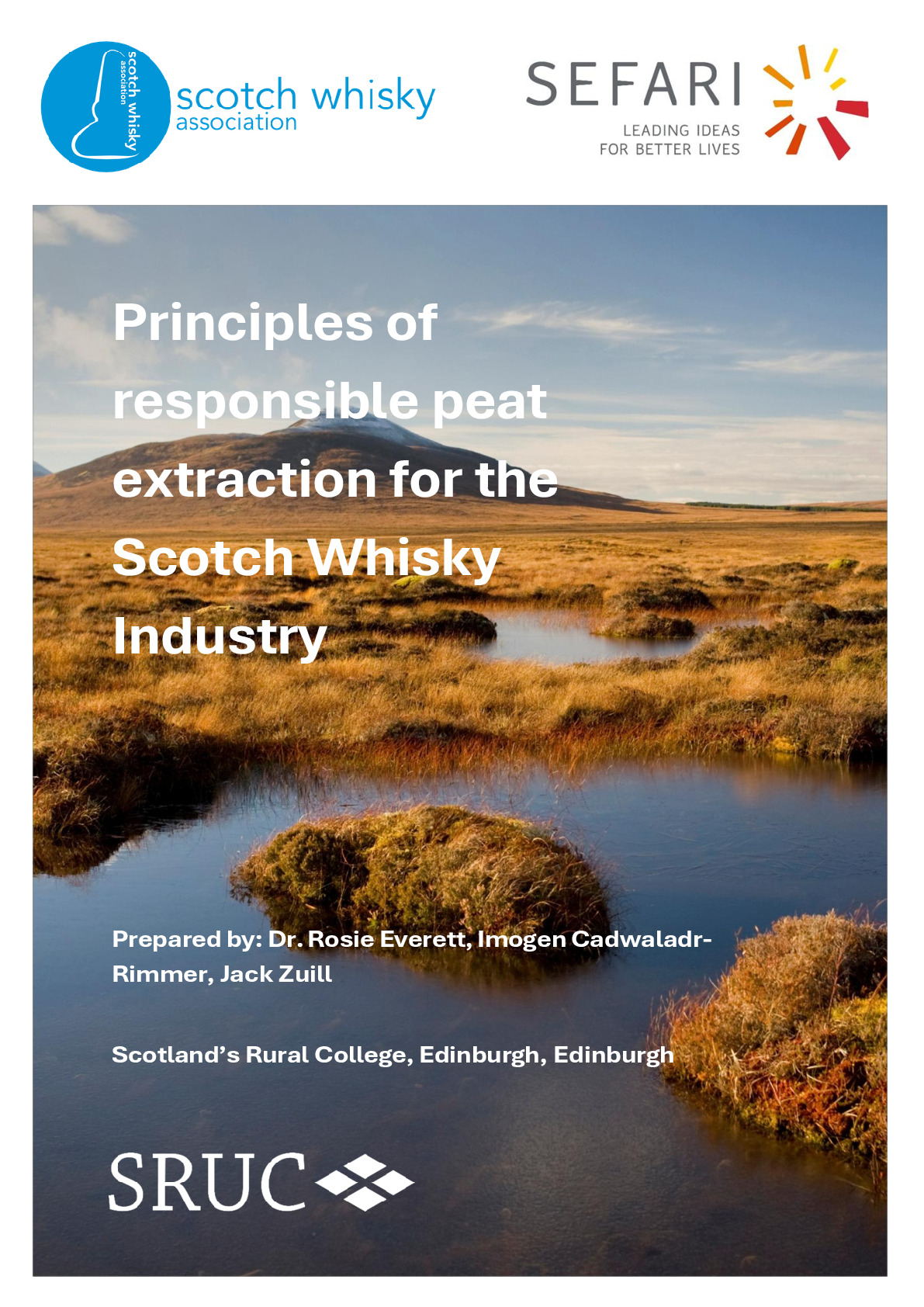
This guidance seeks to safeguard the Scotch Whisky industry’s peat supply chain and credibility by outlining clear criteria for responsible peat extraction and harvesting. It expands on the Scotch Whisky Association’s Commitment to Responsible Peat Use, notably its first pillar of Responsible Extraction1, which should be read in conjunction with this guidance. It provides the industry with clear, actionable guiding principles and