Rural Report 2018/19 - The Impact of Change on Rural Businesses 2017 – 2020: Evidence from non-agricultural businesses in Aberdeenshire, Dumfries & Galloway, the Scottish Borders and Tayside
Methane emissions from ruminants are responsible for approximately 50% of the greenhouse gas (GHG) emissions associated with agriculture in Scotland. Reducing the emissions intensity (i.e. the amount of GHG emitted per unit of meat or milk produced) of ruminants is, therefore, key to reducing agricultural emissions in Scotland. Scottish Government commissioned ClimateXChange to carry out a rapid evidence assessment to explore the potential for eradicating or controlling major livestock diseases in Scotland, as a contribution to reducing the intensity of GHG emissions.
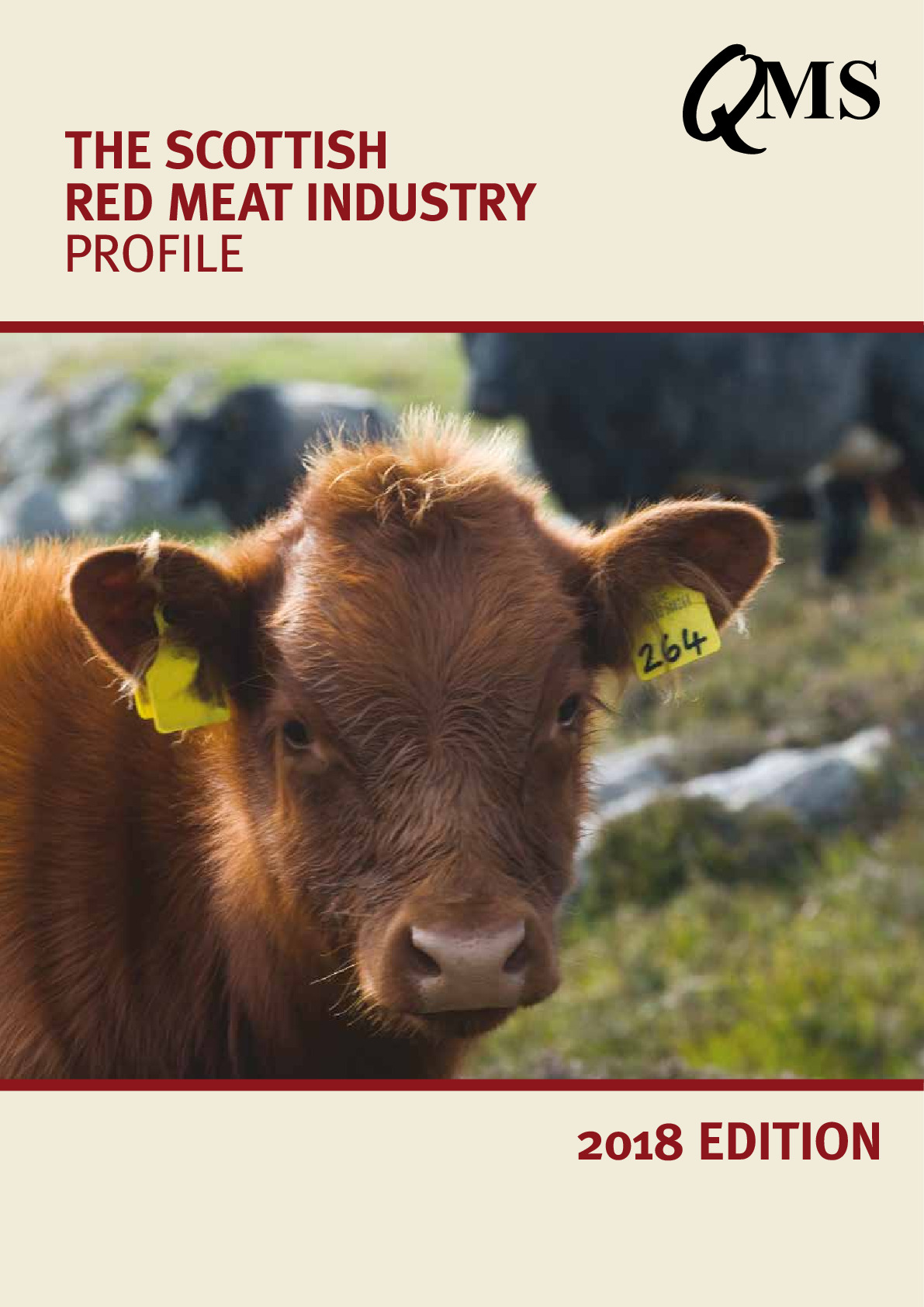
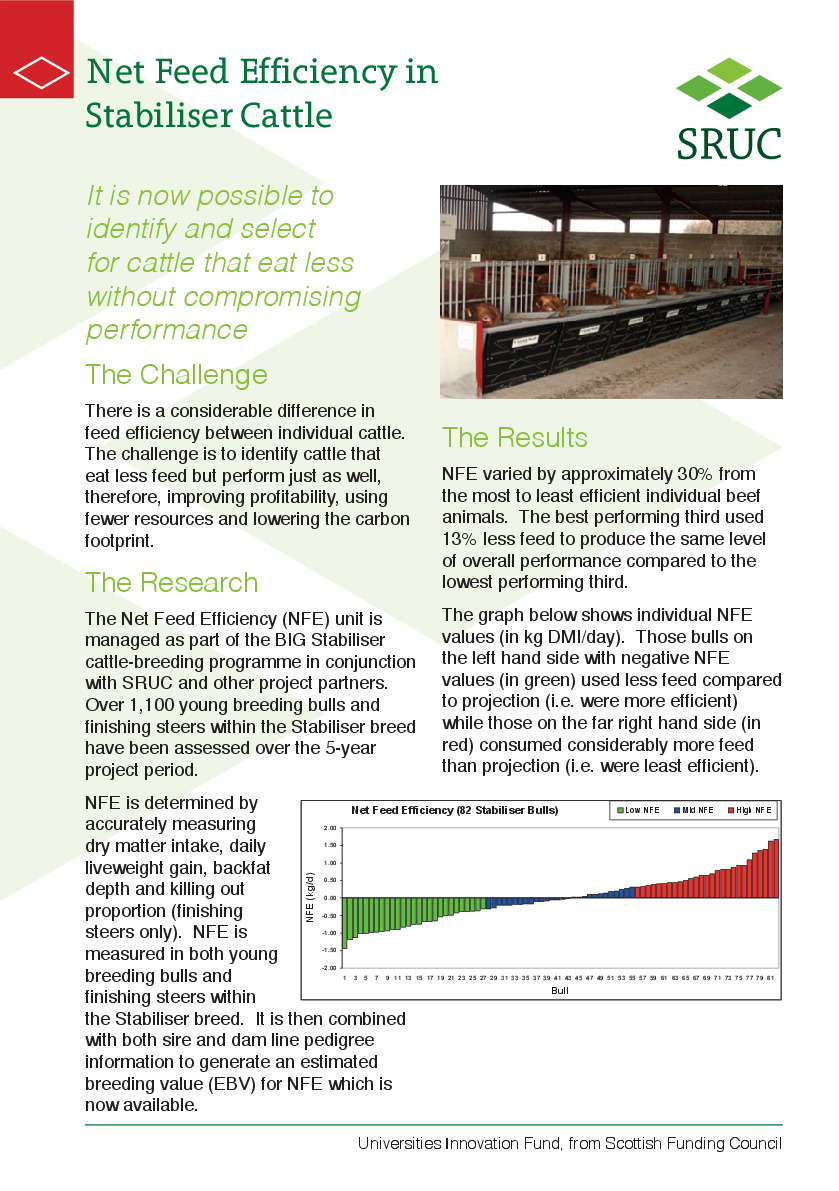
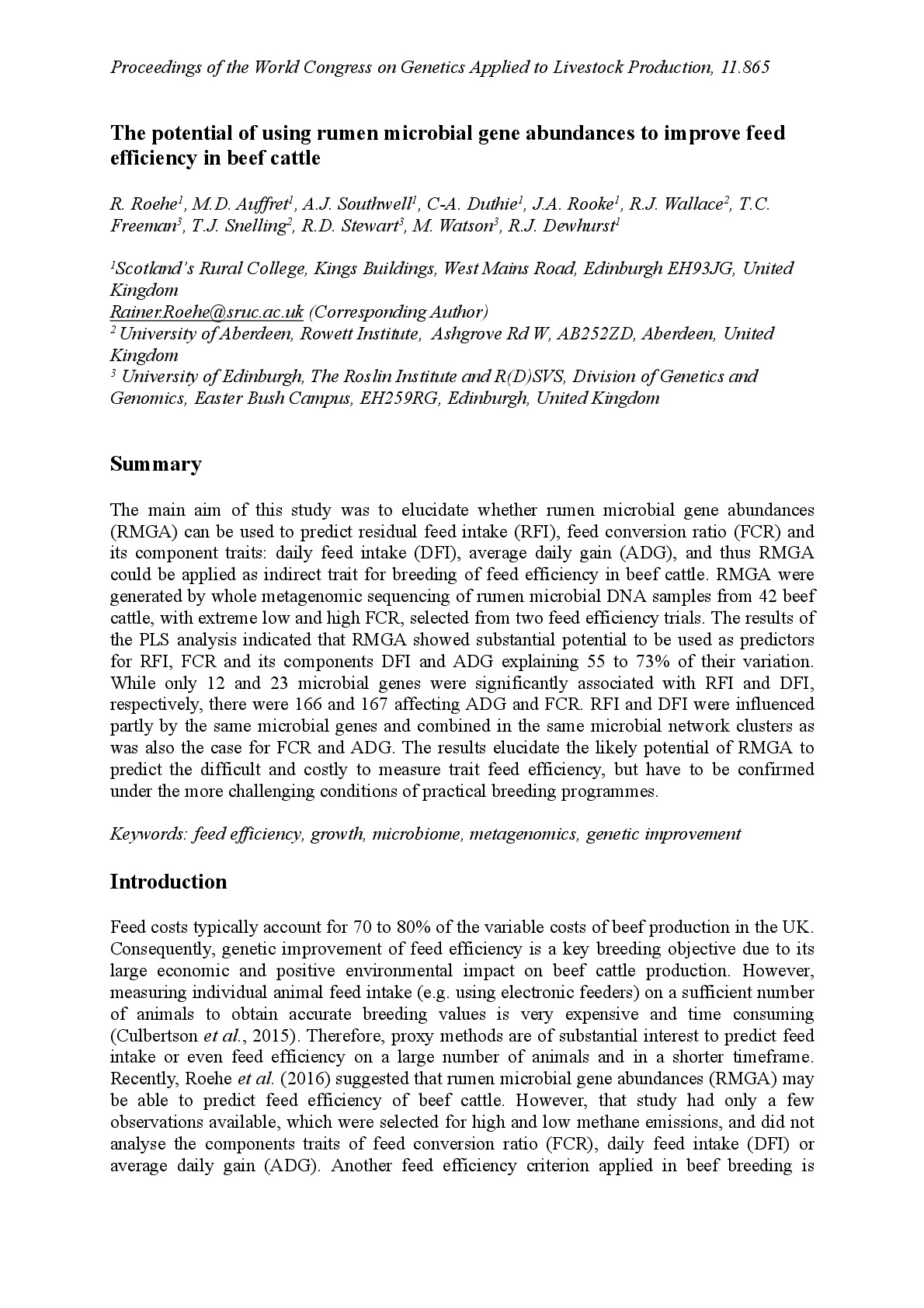
Spotlight provides a snapshot of our extensive range of policy, practice and innovation impacts, underpinned by robust, internationally competitive research. This Spotlight focuses on highlights from the second year of the SRP.
Document
This report presents key findings from a project which aimed to provide a better understanding of the use of seasonal workers of non-UK origin in Scottish agriculture. Evidence was collected from a range of sources including Scottish Government administrative data, surveys of farmers and seasonal migrant workers, farmer and wider stakeholder interviews, and group interviews with seasonal migrant workers.
This report summarises the research done from May 2016 to March 2018 regarding aligning delivery
mechanisms that act on natural assets (biodiversity, soil and water).
The SEFARI Gateway is delighted to launch our 2018 call for applications to our Responsive Opportunity Fund. The Responsive Opportunity Fund is designed to increase the visibility of the invaluable contributions the Strategic Research Programme makes towards sustainable economic growth and improving the lives of people in Scotland and beyond.