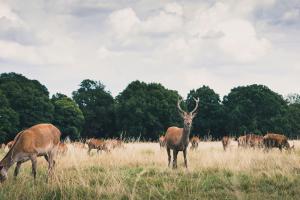
Scotland's growing deer population presents major environmental, economic and public safety challenges, making sustainable deer management an increasingly important policy priority.
Food and Drink Innovation Food Security
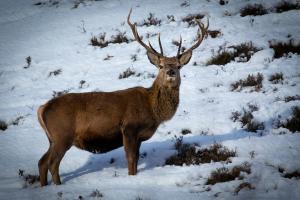
In 2023 The Knowledge Bank reported that Scottish venison sales grew by nine percent in Britain and had a 20 percent share of value sales.
Food and Drink Innovation Food Security
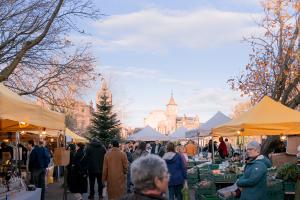
By exploring trends in the British retail venison market between 2013 and 2024 using supermarket purchasing data from around 30,000 households, this study examines consumer demand, retailer offerings, product origin and competition with other meats.
Food Security Food and Drink Innovation
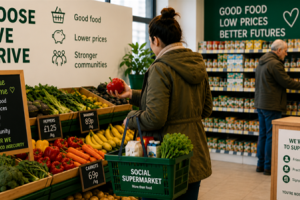
Food banks remain the dominant response to food insecurity in the UK but are widely recognised as inadequate and undignified.
Community Resilience Food Security

This study examines low-income households’ experiences of food support and their views on the Cash-First approach, a key Scottish Government strategy to reduce reliance on food banks. All respondents are from low-income households (≤£20,000), making them the group most likely to use food aid and cash-based support.
Community Resilience Food Security
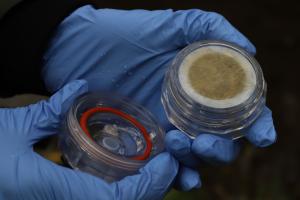
This research drew up a route map to show how Scotland can reach its potential of becoming leaders in the use of environmental DNA (eDNA) and other biomolecules for environmental monitoring and assessment.
Climate and the Environment
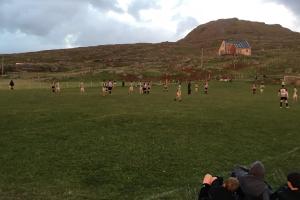
Why Are Large Community Buyouts Slowing Down? And Why Are There Places Where They Never Got Started?
Demand for large-scale community land ownership in Scotland remains strong, but the rate of new acquisitions is slowing. Further, most large-scale acquisitions are concentrated in the Highlands and Islands, with much of Scotland seeing little activity.
Community Resilience
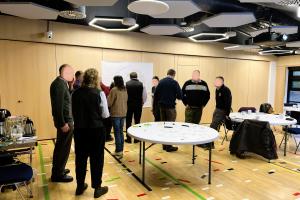
This project assessed how Scotland’s Agricultural Knowledge and Innovation System (AKIS) can support a just transition to sustainable and regenerative agriculture.
Land and Communities
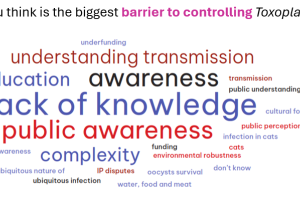
Toxoplasmosis is a globally important disease caused by Toxoplasma gondii affecting both human and animal health and spreading through environmental pathways such as soil, water, and food.
Livestock Diseases
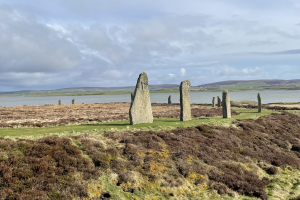
Orkney’s farmers are innovative, productive and central to the islands’ economy, but research activity has not always been shaped by local priorities. This project mapped current agricultural research in Orkney and worked with island stakeholders to identify knowledge gaps and future needs.
Land and Communities Agriculture
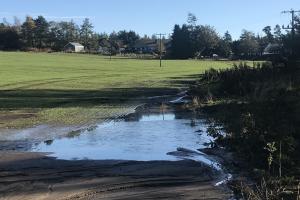
Flooding is becoming more frequent as rainfall intensifies, prompting growing interest in nature-based approaches that work with the landscape to slow, store and filter water.
Climate and the Environment Agriculture
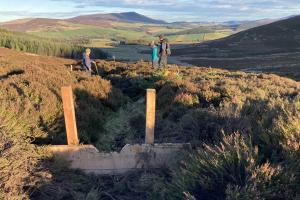
Research into Nature-based Solutions (NbS) for managing low flows is advancing globally, however relatively few case studies in the UK exist. Here, we draw on findings from the Glenlivet Distillery case study; a rare UK example of the use of NbS for managing low flows.
Water Resources Land and Communities; Climate and Environment; Water; Rural Economy
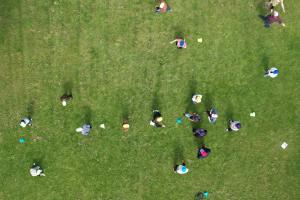
Accompanying the rise of community landownership in Scotland, there has been an increase in research requests placed on specific communities. Our evidence suggests that such requests are becoming unmanageable, especially when respondents see very little benefit from research engagement.
Land and Communities
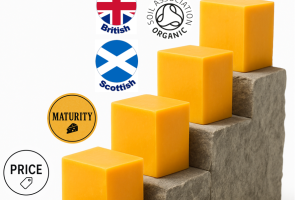
As improving nutritional quality and sustainability can raise production costs, understanding willingness to pay is crucial. This study shows that taste and price are the strongest drivers of UK cheese purchases.
Food and Drink Innovation Food and Drink Production
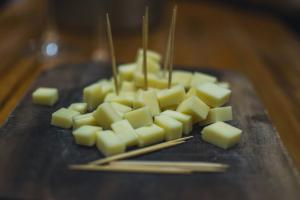
Does producing higher-quality food lead to a price premium in the market? We analysed the impact that a Protected Geographical (PGI) label had on the price and sales of Orkney cheddar, which gained its PGI status in 2013.
Food and Drink Innovation Food and Drink Production
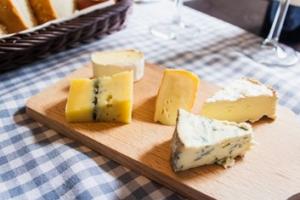
Interviews with key informants in the higher value cheese sector in Scotland revealed that although there was a market for their products, there were multiple barriers to operating their businesses.
Food and Drink Innovation
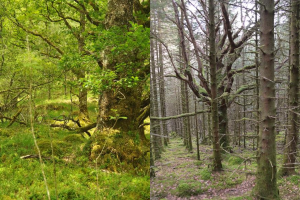
Scottish Atlantic oak woods or temperate rainforest are rare and threatened habitats that support a vast array of biodiversity, particularly lichens and bryophytes.
Climate and the Environment Plant and Animal Health
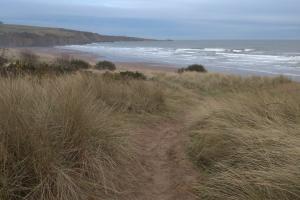
We explored how source-to-sea (S2S) thinking can strengthen research collaborations and innovation across Scotland.
Climate and the Environment
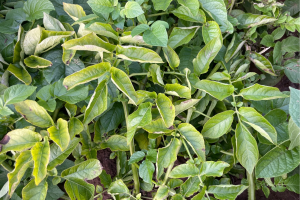
Potato is the second most important food crop in the UK, and the underpinning seed potato industry contributes >£1 billion to Scotland’s economy. Aphid-vectored viruses threaten potato harvests because infected crops are downgraded or destroyed. Historically, Scotland has maintained low vir
Agriculture Food and Drink Innovation
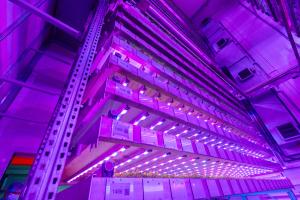
Fluctuating environmental conditions severely impact Scottish crop production affecting crop yields, nutritional quality and food security.
Agriculture Food and Drink Innovation