Displaying 131 - 140 of 193
In light of both climate change and the COVID-19 pandemic, the question of food security is increasingly important. Changes in rainfall and temperature, caused by climate change, will affect crop harvests and this could impact upon the availability and price of food.
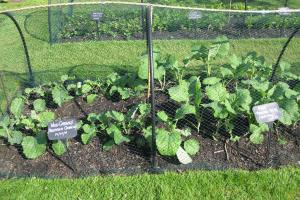
In these current challenging times, those of us lucky enough to have a garden, allotment or even a small amount of space in a window-box might be considering ‘growing our own’ food and wondering what we should plant. With a plethora of mail-order seeds available deciding what to grow can be challenging.
Here we consider the health benefits of eating edible wild plants, highlighted by ongoing SEFARI research.
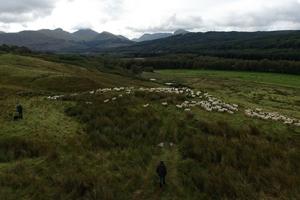
In this blog, Chris Cousens and Craig Watkins (Moredun Research Institute) explain more about a series of webinars they are delivering with the National Sheep Association (NSA) and SRUC. The focus of these webinars is on “iceberg” diseases, those which often go unnoticed or unreported but have significant effects on sheep flocks.
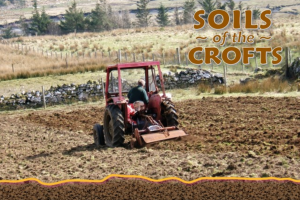
In this blog, Professor Lorna Dawson outlines why soil is so important and how she has been involved in creating a range of online, free to access, educational resources on soils - focussing in particular on the soils of the crofts.
Resources, that can readily be undertaken at home, include a range of practical activities such as cooking, crosswords, creating a wormery, making a composter - as well as suggestions for those interested in learning more about soils, crofting and rural communities.
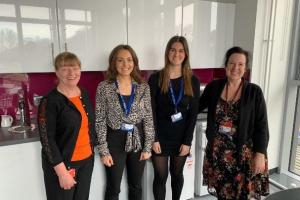
During the COVID-19 crisis SEFARI research institutes are not able to conduct human nutrition trials but that doesn’t mean we can’t find other ways to help.
Normally our Human Nutrition Unit team (pictured in the volunteer dining room - prior to the current COVID-19 social distancing requirements) cook for and feed our volunteers as part of the human nutrition trials conducted by our researchers. The team are interested nutrition and care about what we eat, but what do they do when they have no one to feed?

In this blog we discuss our new project called Diet Detectives, which is supported by SEFARI Gateway's Responsive Opportunity Fund. Helping young people understand where their food comes from and how to eat a balanced diet has always been a key goal of the Rowett Institute's research and community outreach programmes.
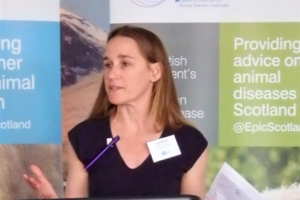
The UK government stated strategy is to manage the COVID-19 pandemic “led by the science”. However, calls for more transparency about what this really means are getting louder.
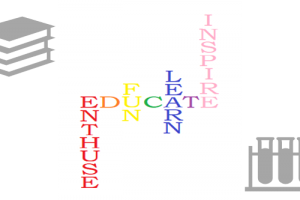
Online educational activities and resources are needed more than ever at the moment to help with home schooling. In this blog, find out how SEFARI is trying to help by making our educational resources more accessible and discover a few of our activities on food, agriculture and the environment that are either available now or are coming very soon.
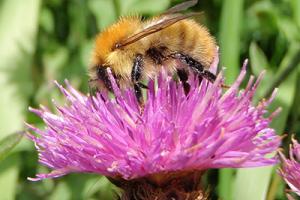
Lorna Cole, SRUC summarises a recently published review she undertook with 21 other pollinator experts across 18 European c
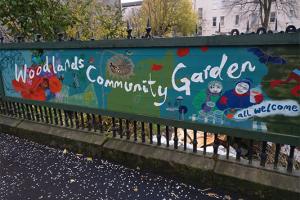
Are urban community food growing projects the answer to the problem of food poverty and the seemingly ever-increasing number of food banks?