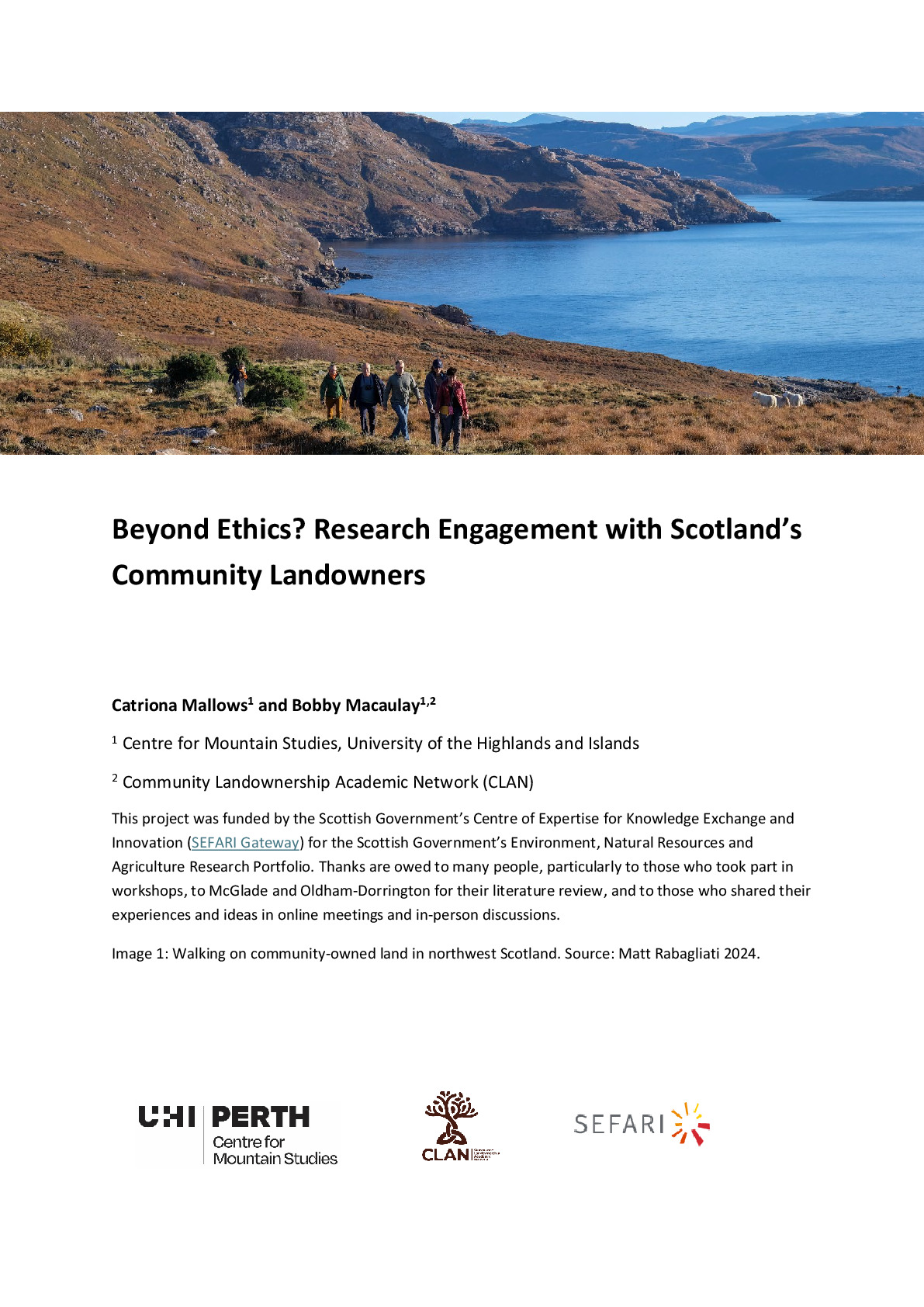
Authors: Catriona Mallows and Bobby Macaulay
Authors: Peter M. Hollingsworth, David O’Brien and Rob Ogden.
Royal Botanic Garden Edinburgh, The University of Edinburgh
Report prepared by SEFARI Fellows David Cooke and Eulyn Pagaling
The James Hutton Institute
For more information visit the research page here: Evaluation and mitigation of mycotoxin contamination across the Scottish cereal supply chain to assess human exposure and inform risk analysis | SEFARI
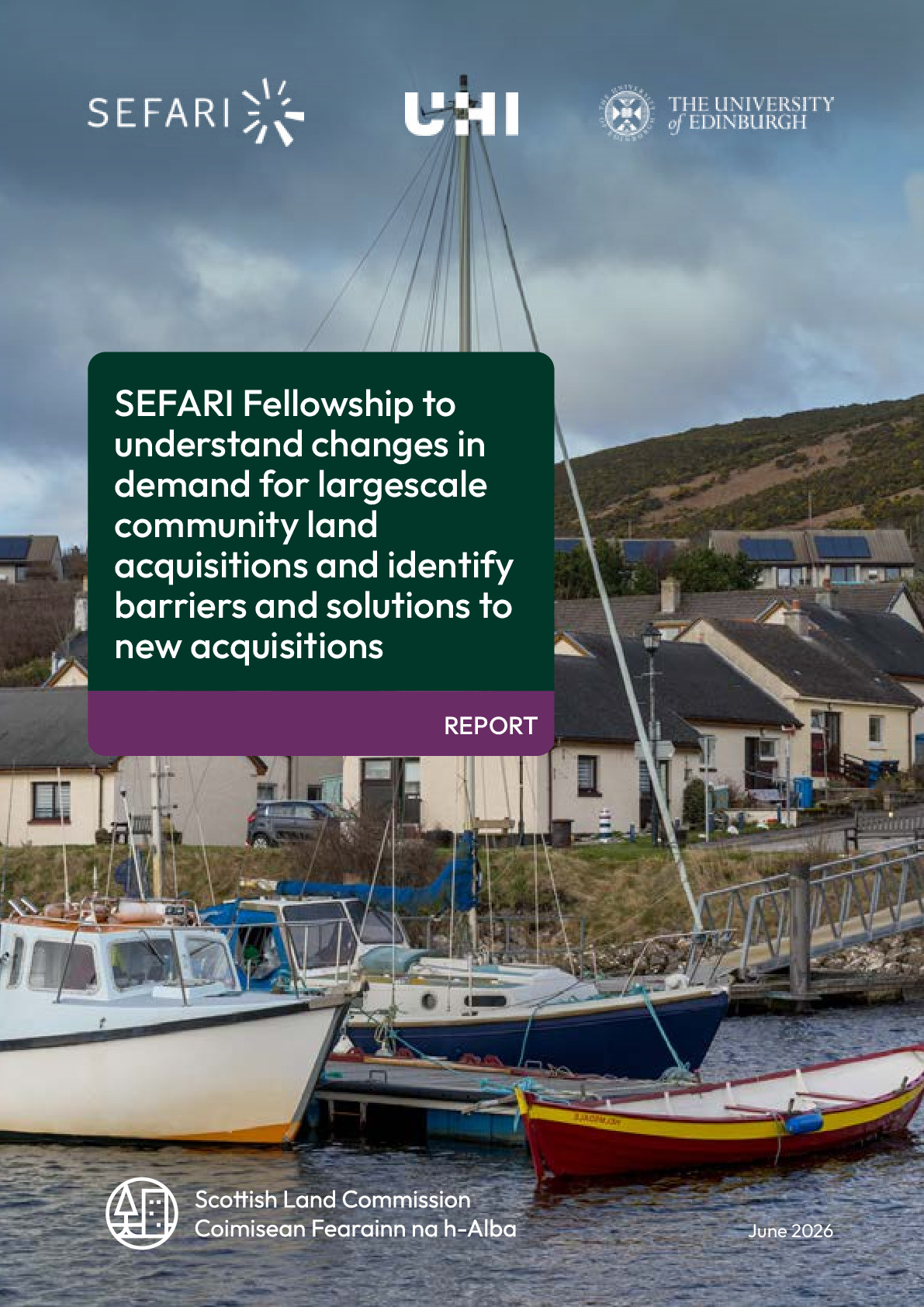
The number of new largescale community land acquisitions has slowed over the past ten years. Largely, respondents in this research suggested this was less to do with a decrease in demand, but rather an increase in barriers to acquisition. Barriers identified by respondents were:
Author: Cathy Hawes
This guidance seeks to safeguard the Scotch Whisky industry’s peat supply chain and credibility by outlining clear criteria for responsible peat extraction and harvesting. It expands on the Scotch Whisky Association’s Commitment to Responsible Peat Use, notably its first pillar of Responsible Extraction1, which should be read in conjunction with this guidance. It provides the industry with clear, actionable guiding principles and
Document
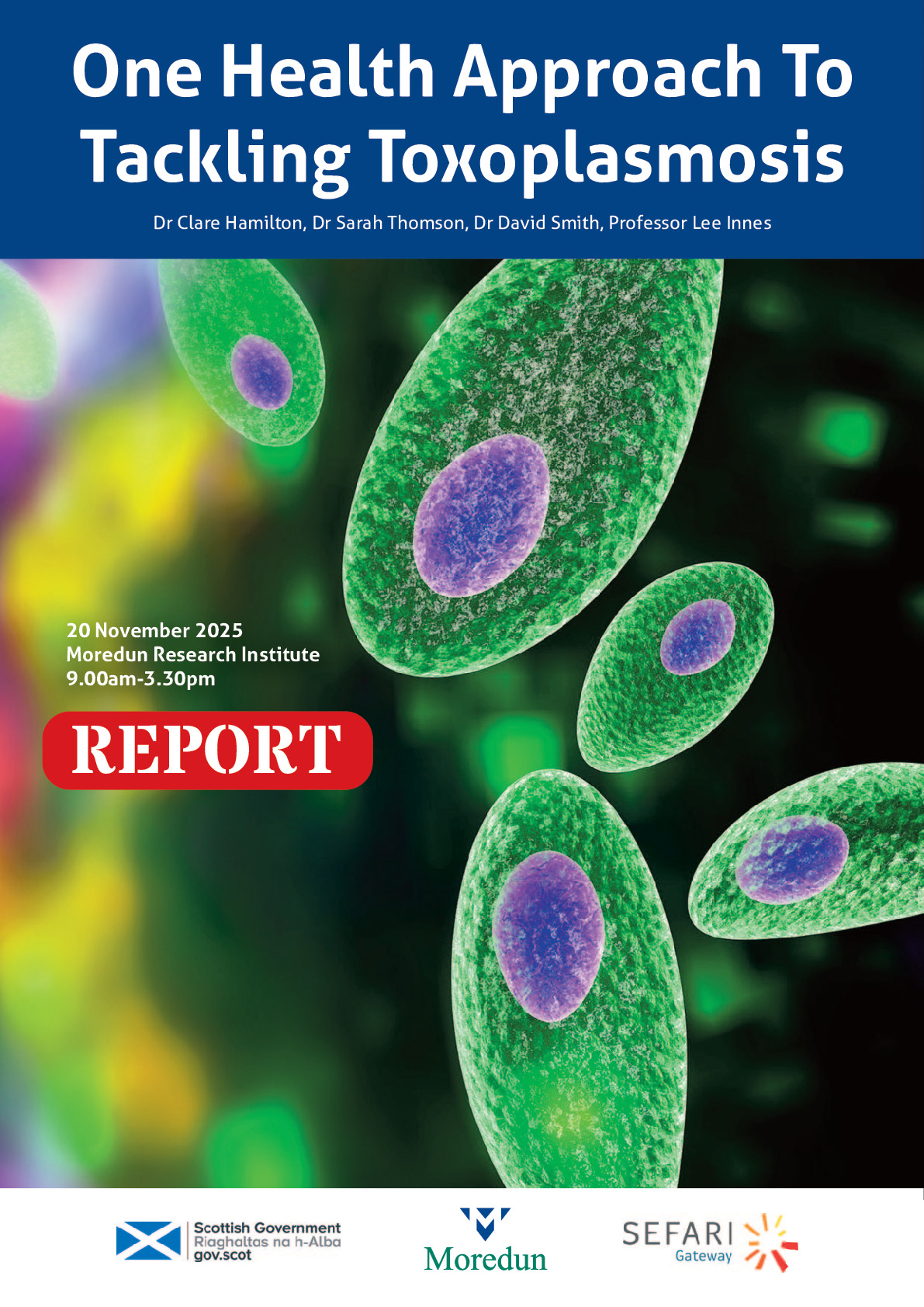
Toxoplasma gondii is widely regarded as a classic One Health parasite because its impact spans human health, animal health, and the environment. The most recent data from Public Health Scotland shows 47 laboratory-confirmed human cases of toxoplasmosis in 2023, continuing a steady rise over the past decade. Cats (domestic and wild) are the only known definitive hosts of the parasite, capable of shedding millions of oocysts in their faeces that can persist in soil and water for long periods of time, leading to widespread environmental contamination and exposing livestock, wildlife, and humans to infection.
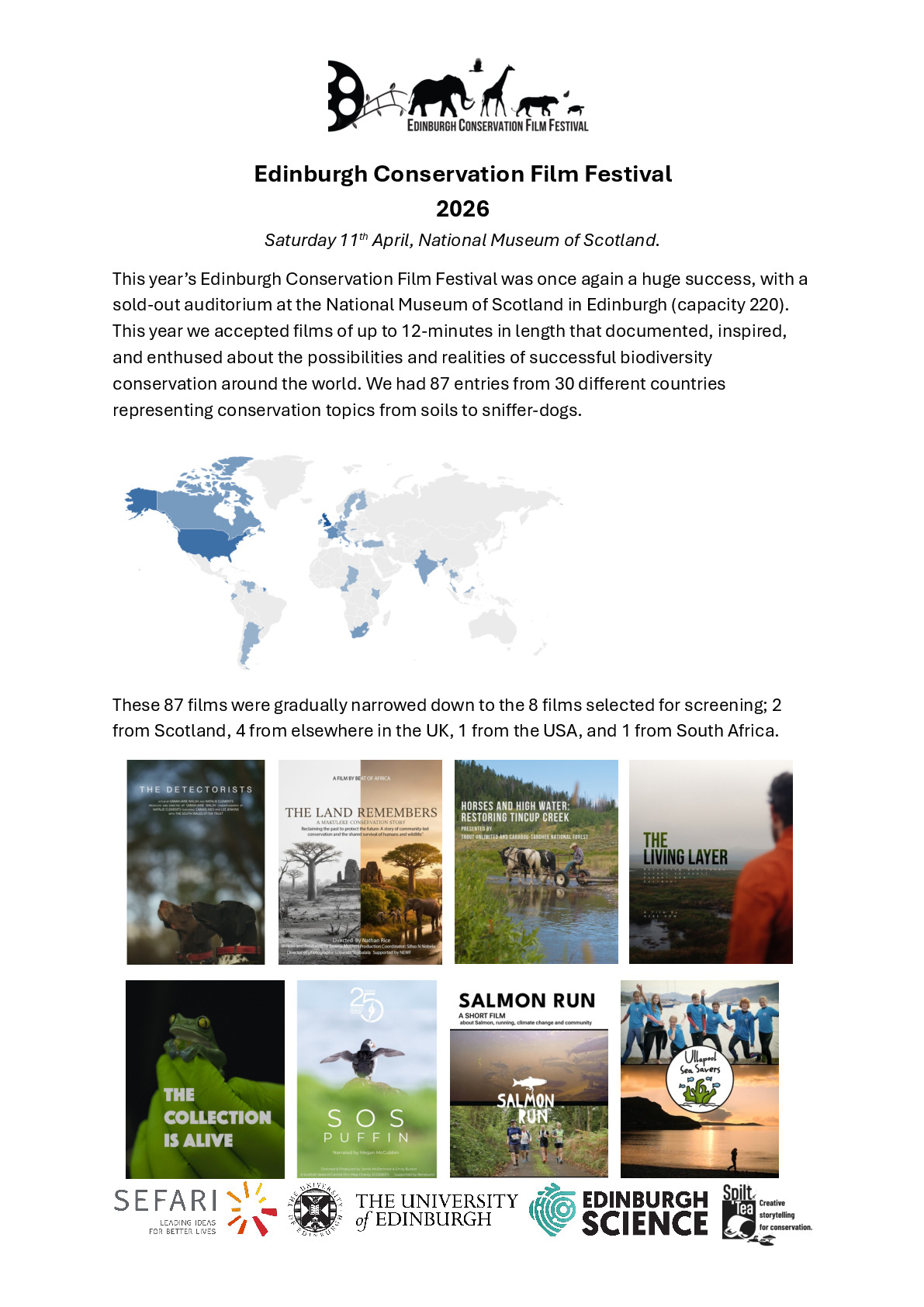
Document
SEFARIGateway and NatureScot, have commissioned research to study how Scotland’s Agricultural Knowledge and Innovation System (AKIS) could support a just transition to sustainable and regenerative agriculture.

The purpose of this guide is to outline options and considerations for businesses and organisations interested in developing controlled environment growing enterprises in the Highlands and Islands. It is intended for both existing growers looking to diversify their production systems and for businesses, community groups, SMEs, and enterprises with little or no background in horticulture.

Authors: Cait MacPhee -The University of Edinburgh, Aiduan Borridon - University College London, Lorna Dawson - The James Hutton Institute, Stijn Van Ewijk - University College London, Rupert Hough - The James Hutton Institute, Gavin Melaugh - The University of Edinburgh, Frances Sandison - The James Hutton Institute, Camilla Thomson - The University of Edinburgh

Report by the James Hutton Institute and SEFARI Gateway
Author: Rupert Hough

Mandatory End of Project report for RI-B7-01. Approved by RESAS on 09 March 2026
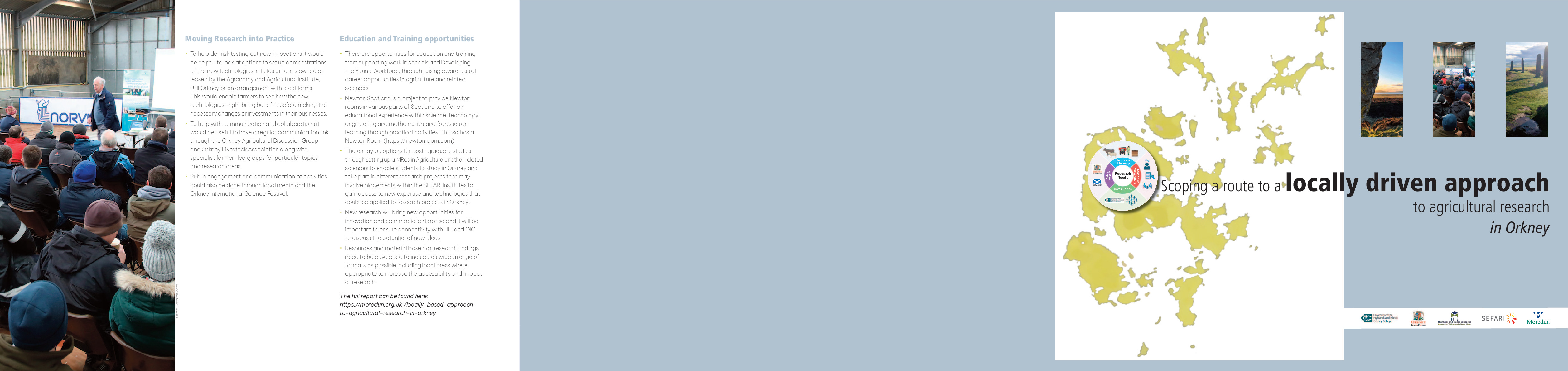
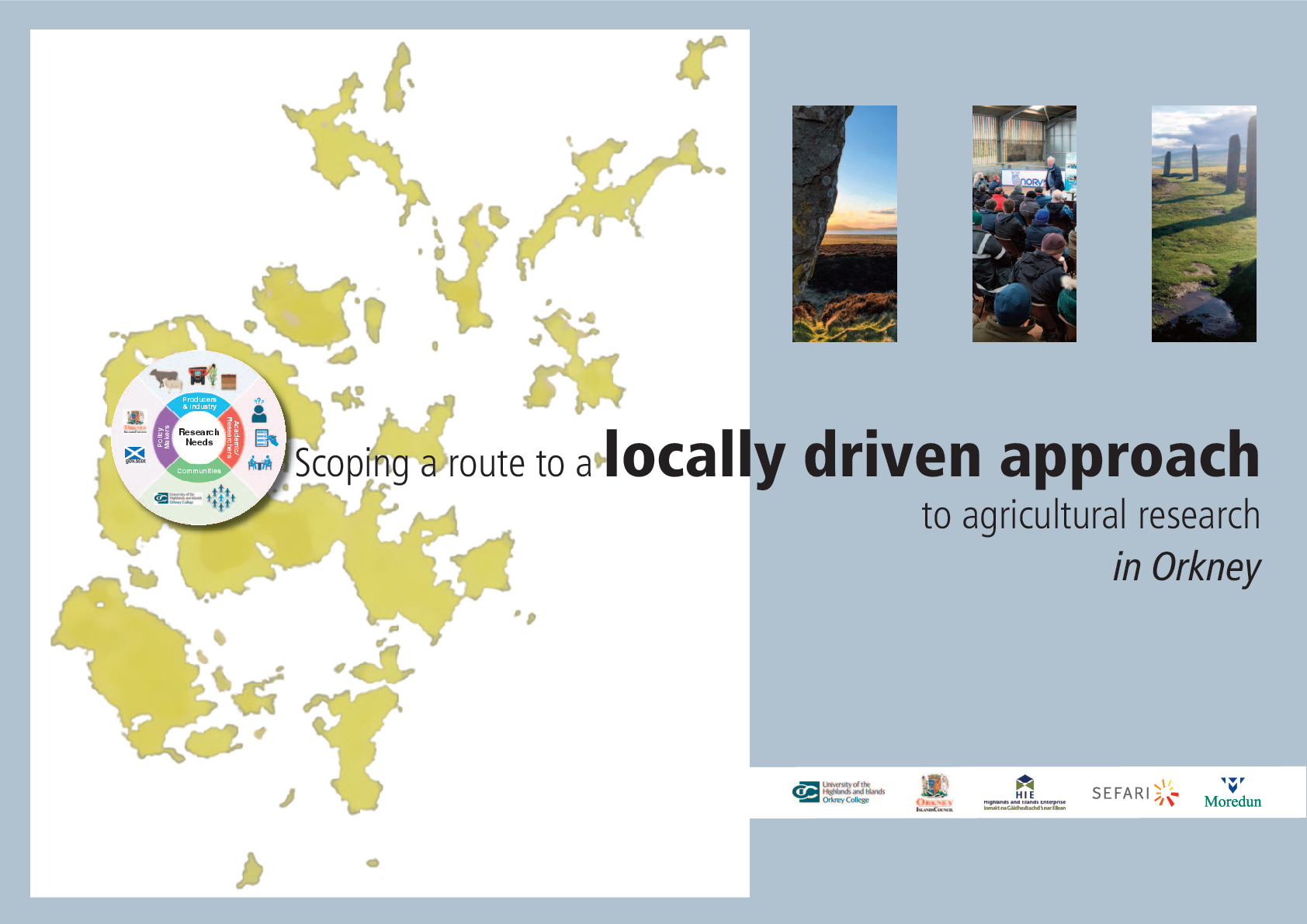
Document