Peat has long been a major ingredient in UK horticulture, but with its use declining and public interest in sustainable alternatives rising, there is increasing demand for clear, trustworthy information about growing media. A Responsible Sourcing Scheme (RSS) has been developed to help consumers understand the environmental impact of compost products through an A–E rating system. To support Scottish Government decision-making on future peat policy, a short review assessed the strengths and limitations of the RSS calculator.
The Scottish Government is committed to tackling climate change with an ambitious target of 2045 for Scotland to reach net zero emissions for all greenhouse gases. As part of this transition new uses need to be found for sites such as the Grangemouth refinery to secure a just transition for the local and wider Scottish population. Project Willow: Grangemouth investment opportunities has identified a set of preferred projects including a proposed biorefinery project for aviation fuel. The aviation sector is currently a significant greenhouse gas emitter through its use
Document
An online tool is being developed using artificial intelligence to provide convenient access to biosecurity advice for farmers. Initial development and testing of the proof of concept has produced a shiny app
Available at: https://epidemiology.sruc.ac.uk/shiny/apps/bitesize-biosecurity/
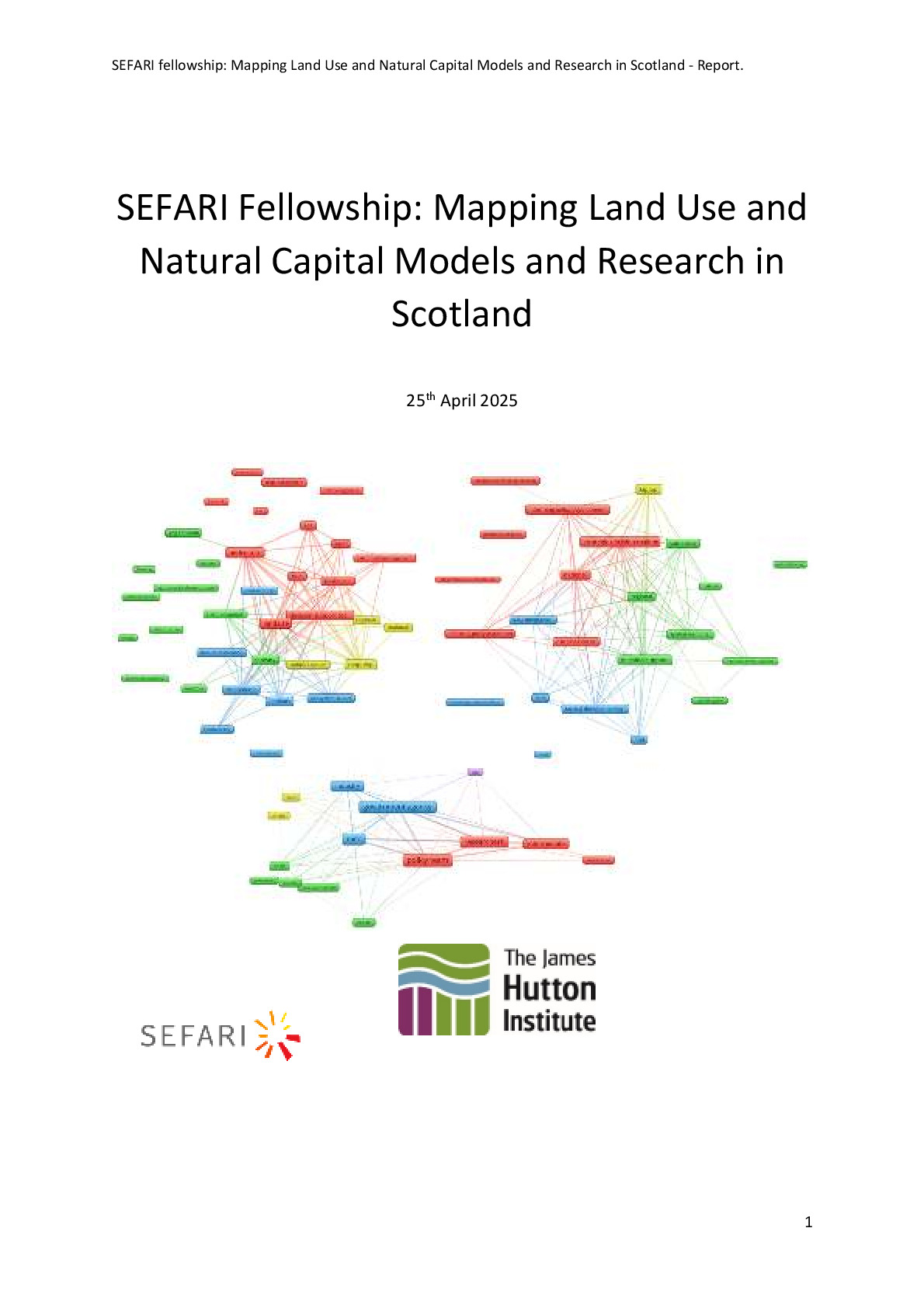
This report presents the results from an online survey commissioned by SEFARI on behalf of the Scottish Government to assess the current coverage and capabilities of the Land Use and Natural Capital modelling and tools used and in development by the research community in Scotland. The purpose is to map and categorise the modelling capabilities available and understand how this capability can be better used and enhanced.
The report is a product of the SEFARI Fellowship Mapping Land Use and Natural Capital Models and Research in Scotland.
Human-induced climate change is driving increasingly severe weather in the UK, threatening the long-term viability of Scotland’s land-based industries. To remain resilient and competitive, these sectors must urgently adopt climate adaptation and mitigation strategies, including Nature-based Solutions (NbS), which are central to emerging policy and funding frameworks.
Ann McLaren & Nicola Lambe
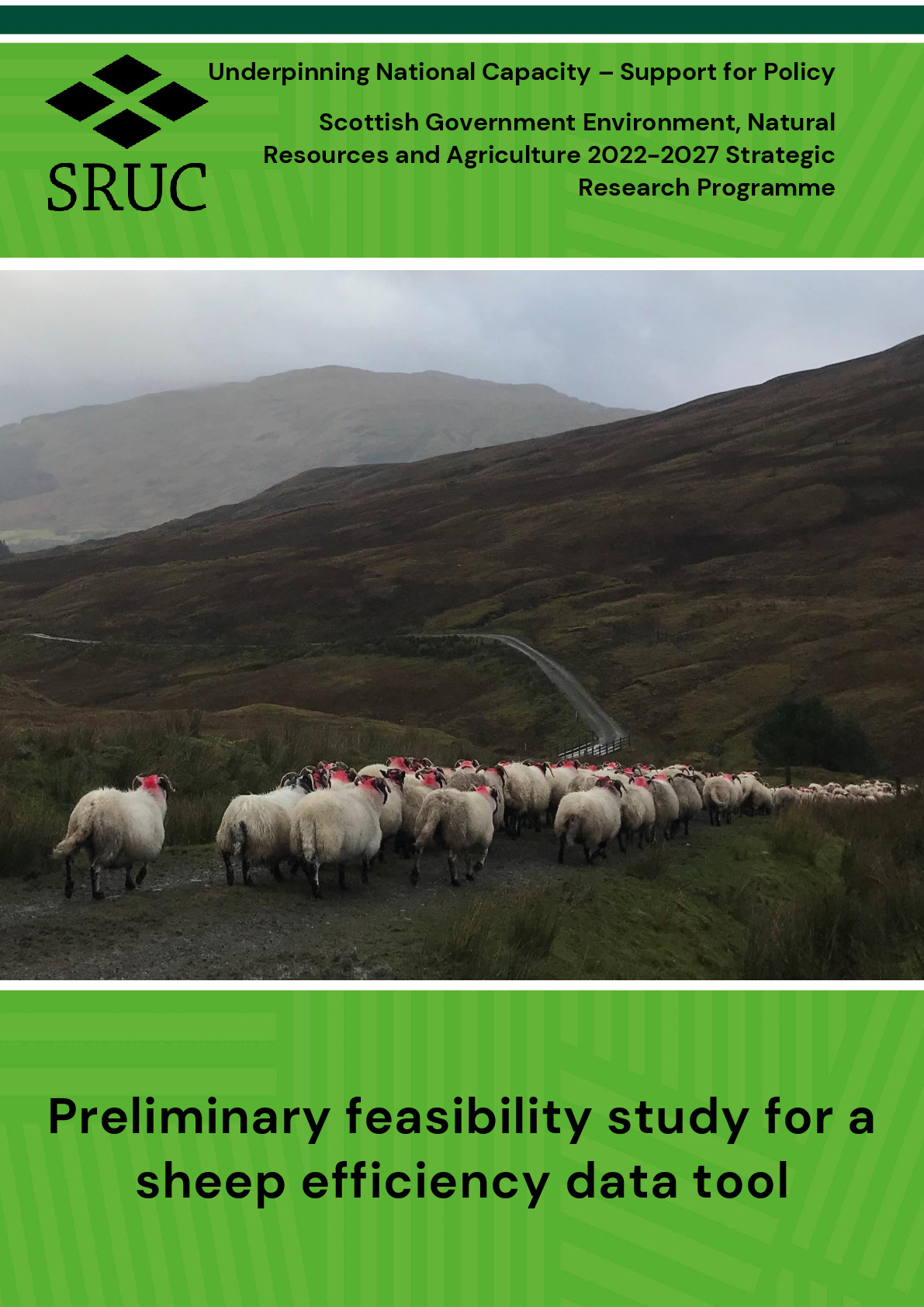
The objective of this work is to determine what additional data would be beneficial, alongside the existing statutory data currently recorded through ScotEID, to incorporate into a “MyFlockStats” decision-making tool to help drive efficiency in the sheep sector. This report is intended to be a preliminary feasibility study to inform any future development, commissioning and operation of a “MyFlockStats” system to assist in the improvement of efficient sheep production in Scotland as part of the aims of the Vision for Agriculture.
Document
Scotland faces pressing environmental challenges, from biodiversity loss to climate change, requiring cross-sector colla
Document
The aim was to produce an updated Scottish genetic diversity scorecard for ongoing monitoring of biodiversity within terrestrial species and to expand its relevance to marine species to support strategies to prevent and reverse biodiversity decline.
This report investigates the state of knowledge on the relationship between NbS and the productive land use sectors of agriculture and forestry in Scotland.
This report explores the health and wellbeing benefits of NHS Scotland’s outdoor spaces, looking at how they are used and estimating the value of the benefits gained from spending time in them.
The full report can be downloaded here: https://doi.org/10.57064/2164/25103
The aim of this SEFARI fellowship with Food Standards Scotland was to determine the lifestyle factors which cause members of the older population to become ill with foodborne illness.
Report prepared by: Dr Ellen W. Evans ZERO2FIVE Food Industry Centre, Cardiff Metropolitan University
Document
Document
The SEFARI Gateway Waste Emissions Science Advisory Group has undertaken a comprehensive review of methodologies used for estimating and forecasting greenhouse gas emissions across Scotland. This analysis spans various technologies including landfill, anaerobic digestion and composting, waste incineration, and wastewater treatment. As Scotland aims to meet stringent environmental targets, ensuring these methodologies are accurate, adaptable, and comprehensive is crucial.
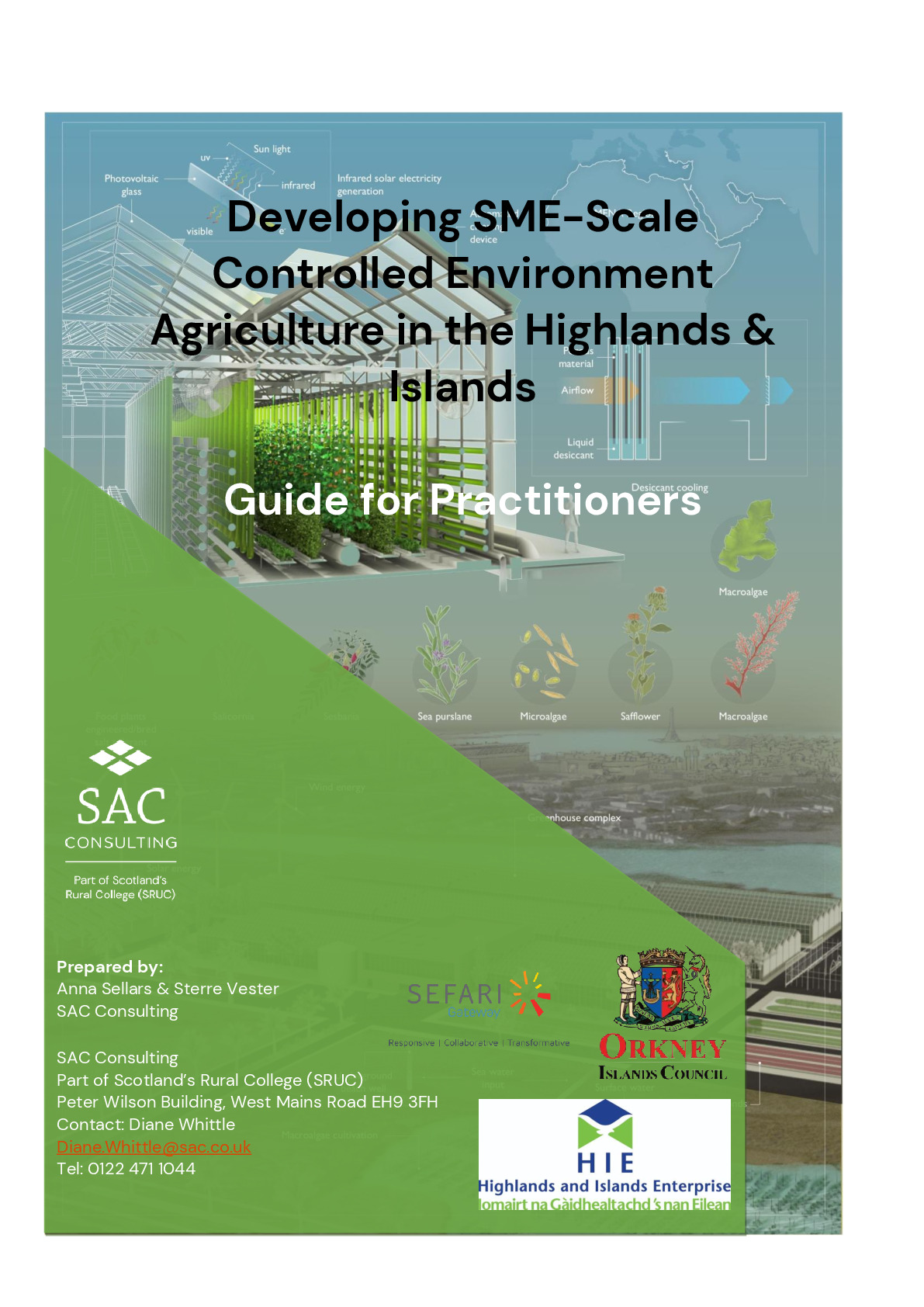
The purpose of this guide is to outline options and considerations for businesses and organisations interested in developing controlled environment growing enterprises in the Highlands and Islands. It is intended for both existing growers looking to diversify their production systems and for businesses, community groups, SMEs, and enterprises with little or no background in horticulture.
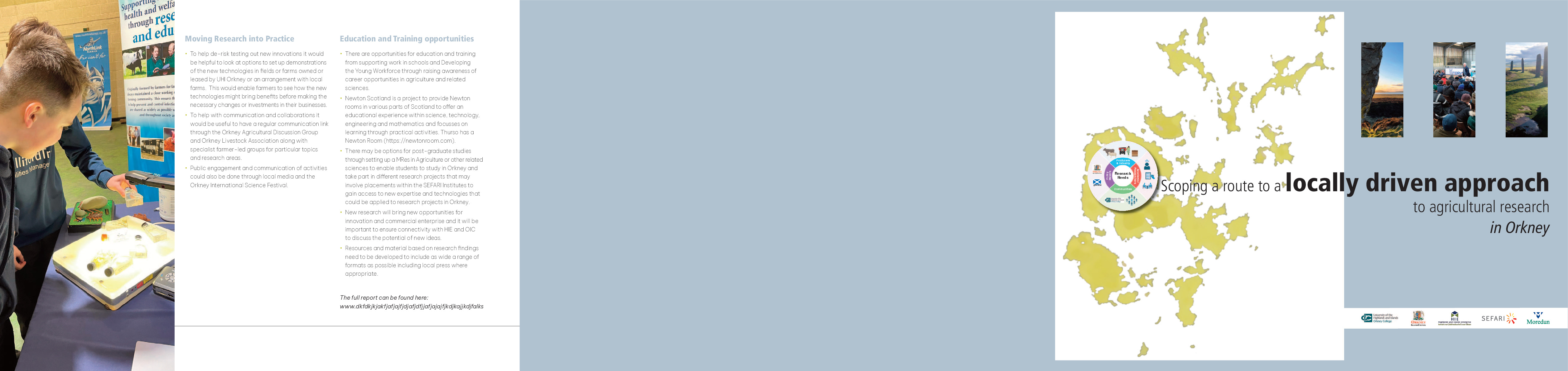
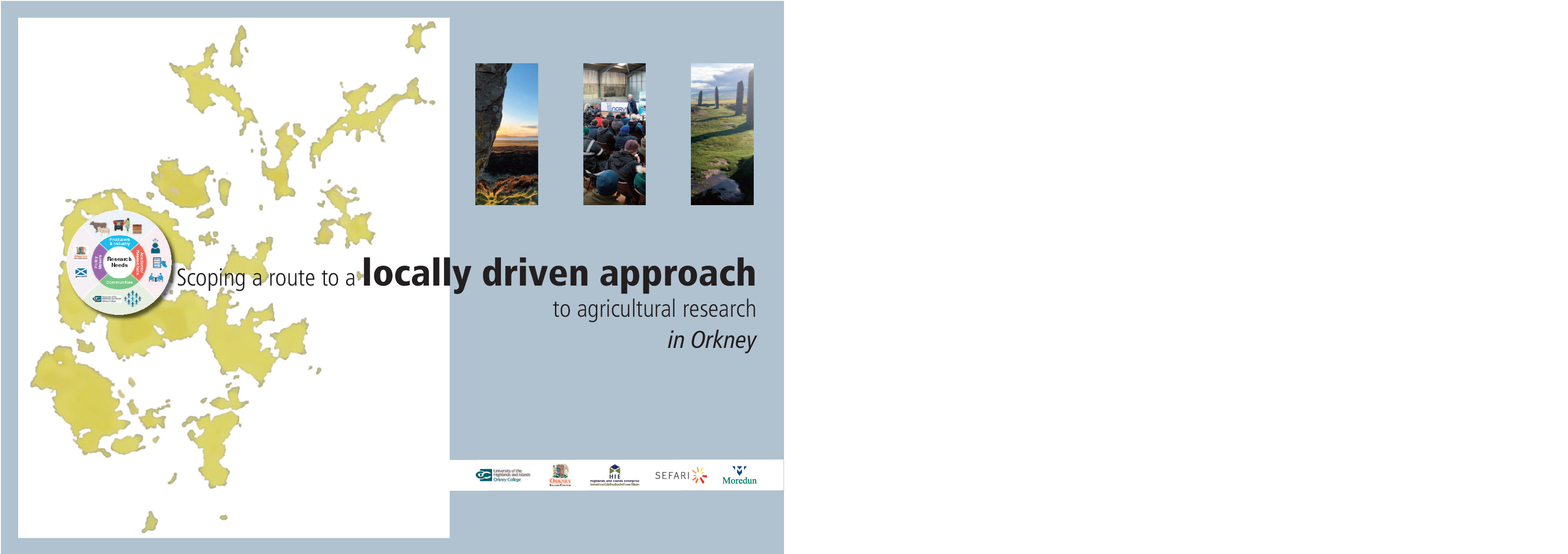
Agriculture is central to the economy, culture and heritage in Orkney and the successful adoption of new research and technology may bring significant benefits to the islands. Key challenges to the industry are to increase the efficiency of food production while protecting and enhancing the natural environment. The Orcadians have a strong history of being successful innovators and are also aware of the unique opportunities available within Orkney's landscapes and communities.
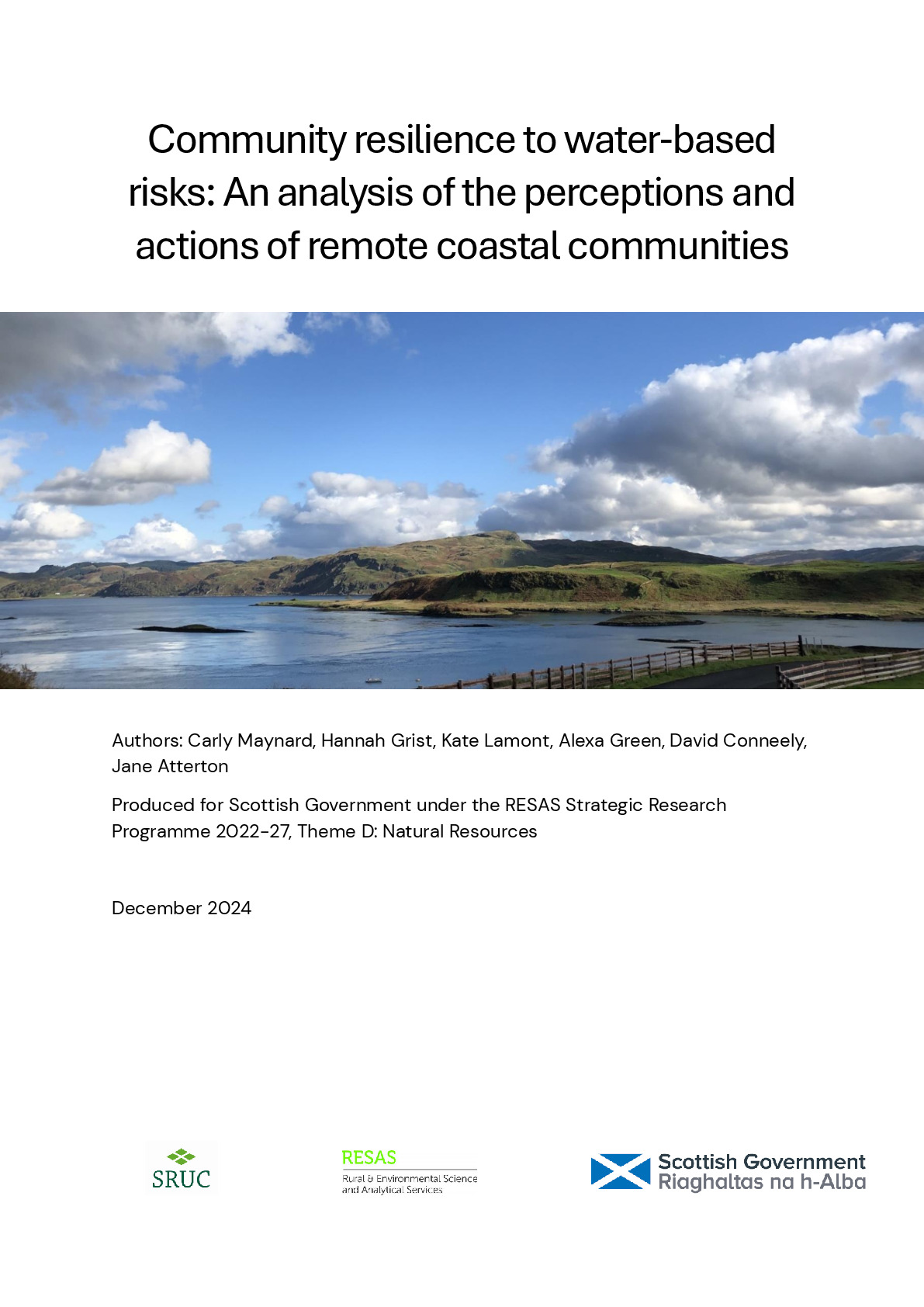
Scotland is facing many climate pressures, including increased risk of flooding, water scarcity and supply challenges. Remote coastal communities are at risk of these pressures but necessarily deal with them in ways different to more connected and larger settlements. This report presents the findings of an investigation into the perceptions of water-related issues, and the actions being taken by a number of case study remote coastal communities. Findings show resilience comes in the form of social capital, collaboration and community cohesion, while there are opportunities for related policy to support community
Document
The research aims to evaluate the implementation and emergent outcomes of the AKIS measures identified in European member states’ CAP Strategic Plans (2023- 2027).
Authors: Prof Lee-Ann Sutherland and Dr Katrin Prager.
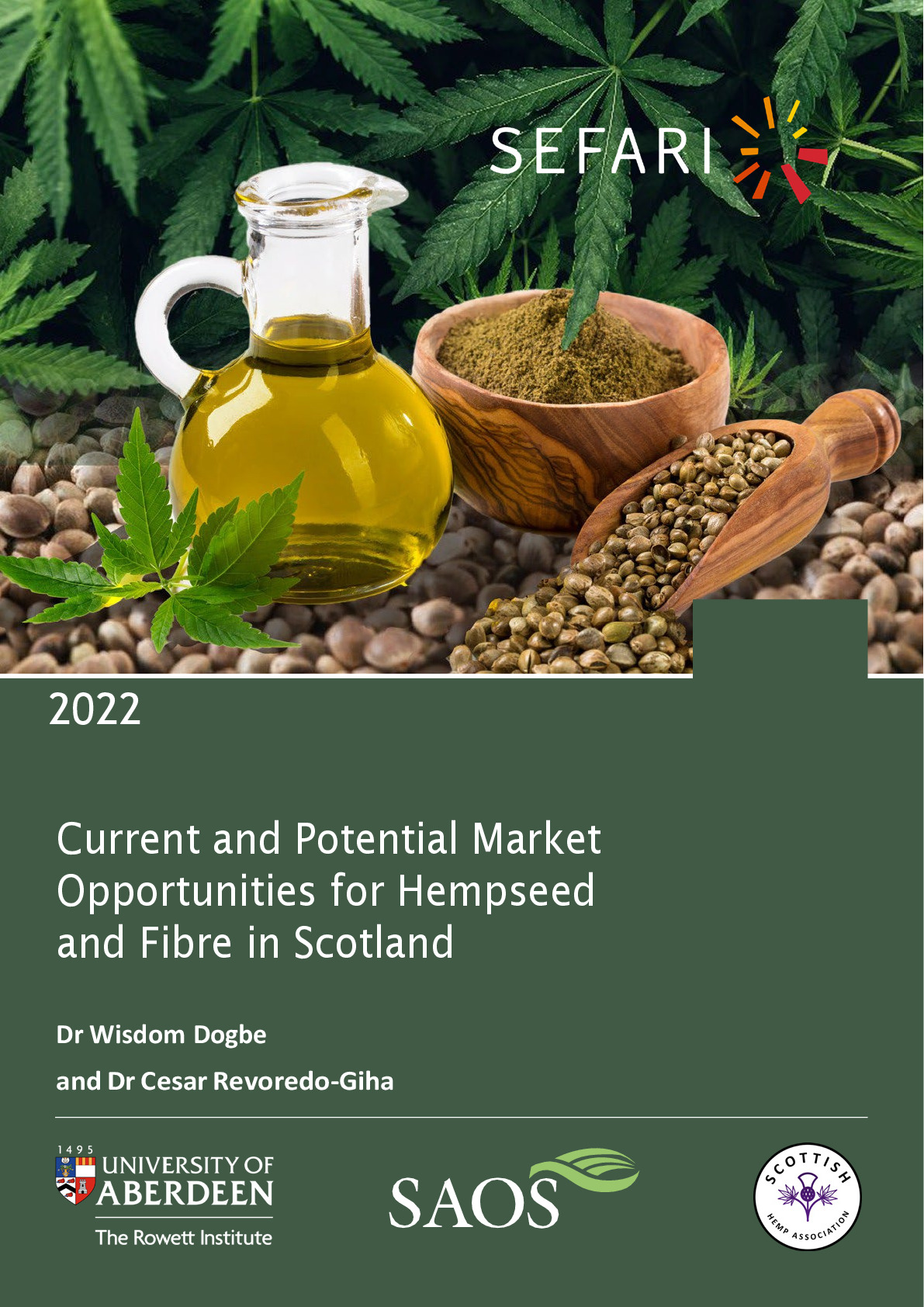
The aim of this fellowship was to identify current and potential market opportunities and describe the supply chain for hempseed and fibre in Scotland.
Author: Dr Wisdom Dogbe.
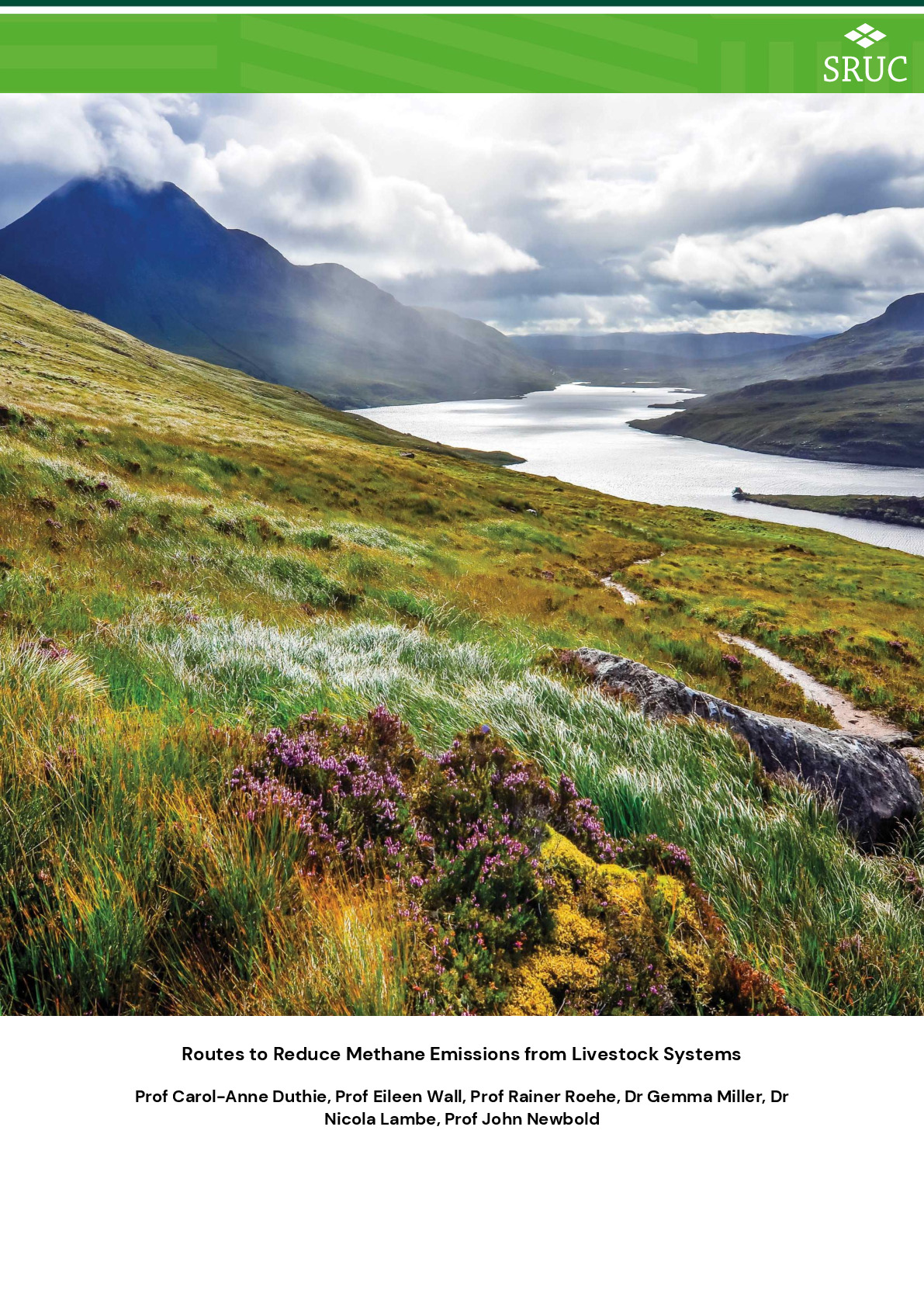
Methane is the prominent GHG from agriculture, accounting for 59% of agricultural emissions. Enteric methane, produced by ruminants as they digest feed, is the major source of these emissions. There are several options to reduce enteric methane emissions, some of which could deliver reductions in the short to medium term (e.g. dietary), and some of which are considered longer-term strategies (e.g., breeding).