In 2023 The Knowledge Bank reported that Scottish venison sales grew by nine percent in Britain and had a 20 percent share of value sales. This component of the research project “Costs and opportunities for Scottish products with higher value status” sought key informants’ views on the opportunities and risks facing Scotland’s venison sector.
We interviewed participants in the venison supply chain and sector consultants (27 altogether). We used the interview data to run two workshops where participants (15 in all) discussed the risks and opportunities facing the sector. These indicate that there are several opportunities to add value to the venison sector in Scotland and outline the kinds of policy and market development support that could help entrepreneurs to do so.
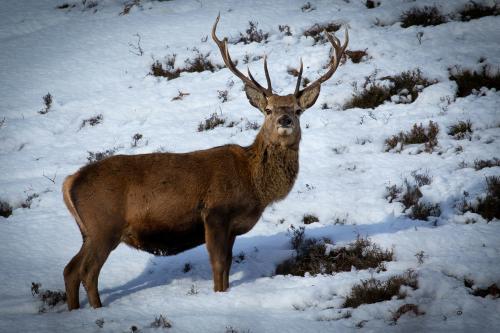
Photo credit: Ben Wicks unsplash
Stage
Directory of Expertise
Purpose
This project reviewed the risks and opportunities for Scotland’s venison sector, especially wild venison. It had three objectives, on which our three case studies are based.
- Examine stakeholders’ views on issues affecting Scotland’s venison sector (the subject of this case study).
- Analyse consumers’ willingness to pay for higher value Scottish venison products.
- Produce a trade-off analysis model for the venison supply chain in Scotland.
We hope that these case studies will provide ideas that will be of use to Scottish venison producers, processors and policymakers, thereby contributing to the resilience of Scotland’s economy.
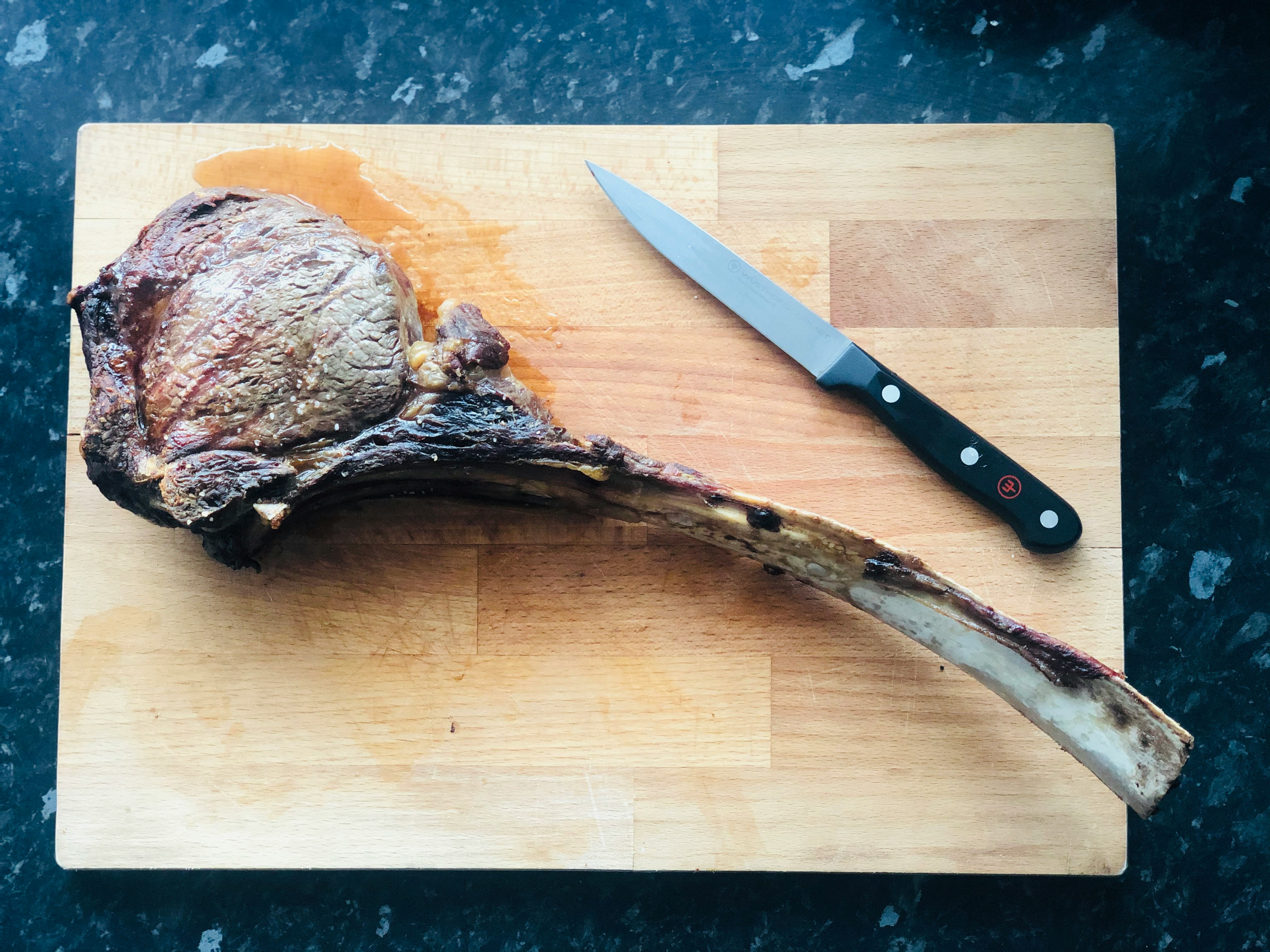
Photo credit: Cristiano Pinto unsplash
Results
Findings from key informant interviews were mixed, reflecting the fragmented nature of Scotland’s venison sector. Nonetheless, the data revealed that, although most interviewees felt that there were opportunities to add value, there were multiple risks and barriers to taking advantage of them, and that a range of supports were required to help businesses negotiate them.
A key theme emerging from the interviews was that value is multifaceted, with social and cultural dimensions as well as economic aspects. Most participants felt there were opportunities to add value by promoting venison's provenance (e.g. Highland origin), health benefits (e.g. low fat) and taste, alongside expanding markets such as public procurement and making greater use of both premium and lower-cost cuts
Key risks identified by informants included: the declining value of deer carcases; increased culling creating a perception of deer as vermin; and poor quality venison entering the food chain, potentially giving rise to food scares.
Participants felt that to support the development of the sector, government policy on culling deer needs to be revised and the view of deer as vermin challenged. Further supports recommended include: a marketing campaign to promote the qualities of venison; funding (e.g. for carcase and meat storage and processing); improved routes to market; and additional training. The findings also suggest that governments and network organisations should consider developing policies and strategies that will encourage closer co-operation in the sector.
Benefits
The benefit of qualitative research is that it encourages participants to say what is important to them. This work was intended to surface and examine current issues in the venison sector, not to be a representative survey of it.
Our research participants had many years and varied experiences in the venison sector and their views could help to frame policy debate and thinking about the future development of Scotland’s venison sector. The opportunities, risks and suggestions for policy and network support that emerged from the interviews and workshops are summarised in the tables below:
Opportunities |
The perceived qualities of venison related to its provenance, healthfulness and taste |
Opportunities to expand public procurement and to further develop sales to the public and the hospitality industry |
Increasing demand for both higher-value and lower-cost cuts |
Risks |
Declining value of deer carcases |
Culling and carcase discards creating the perception of deer as vermin |
Poor quality venison entering the food chain, with the potential for food scares to emerge as a result |
Supports |
Revision of government policy on deer culling |
Improved infrastructure for storage, processing and transport from remote areas |
Marketing to promote the qualities of venison to the public |
Improved funding for the above and for training in the sector |
The final word goes to one of our interviewees:
“Yeah, I mean it’s developing all the time I suppose because we’re still so new... so we’re already in quite a breadth of customer bases, so we’re in a little bit of retail, we supply local schools, we’re in some local restaurants and hotels. So I guess I could see us expanding in each of those sectors you know, more retail outlets, potentially more schools and more hotels and restaurants”
Project Partners
This research was done at the Rowett Institute and SRUC. It would not have been possible without the help provided by those in the sector who took part in our interviews and workshops, and who helped recruit participants. The work was funded by the Scottish Government’s Environment, Natural Resources and Agriculture - Strategic Research 2022-2027 and is part of the project Costs and opportunities for Scottish products with higher value status. The project is overseen by a Steering Group containing policy and industry specialists.