The Scottish Government is currently responding to a multitude of grand and complex environmental challenges, such as biodiversity loss and climate change. But how do we know if these responses, or the money spent on delivering them, are having the desired effect?
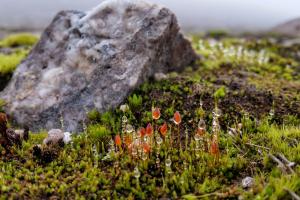
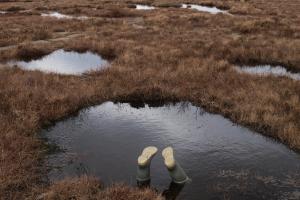
In this project we looked at what makes people care about peatland restoration. Peatbogs are important because of their ability to store carbon, regulate water flows and provide a home for rare species of plants and animals. Nevertheless, peatbogs are often described as a hard-to-love ‘Cinderella habitat’.
Climate and the Environment
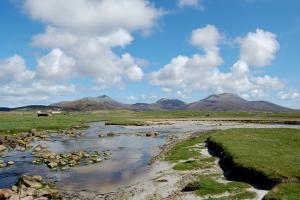
2019 was an important year for Scotland's islands, with the development of The National Islands Plan, an increased focus on repopulation, and concern abou
SEFARI Gateway Land and Communities Rural Economy
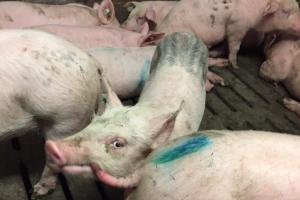
Tail biting affects growing pigs in Scotland and around the world and has no simple solution. It begins in a sudden and unpredictable way, then spreads through a group.
Plant and Animal Health
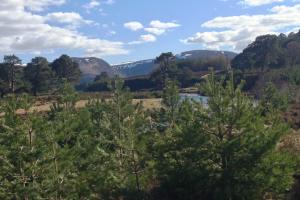
The following case study summarises work delivered as part of a recent SEFARI Fellowship with the Cairngorms National Park Authority (CNPA).
SEFARI Gateway Climate and the Environment
Since the emergence of late blight (Phytophthora infestans) in the 1840s this disease has presented a major challenge to the potato industry, with annual losses estimated to be £55 million in the UK.
SEFARI Gateway Science Education Climate and the Environment Agriculture
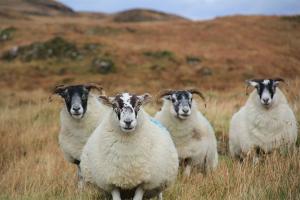
Sheep scab is a highly contagious disease caused by infestation with the mite Psoroptes ovis. It is endemic in the UK, notifiable in Scotland and has significant economic and welfare impacts.
Plant and Animal Health
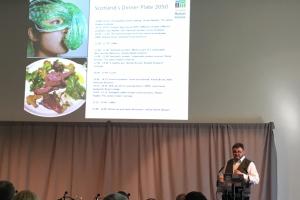
Leading industry and SEFARI science representatives from Scotland’s food, drink and agricultural sectors came together to discuss and speculate what Scotland’s dinner plate may look like in 2050.
Food and Drink Innovation Healthier Foods SEFARI Gateway
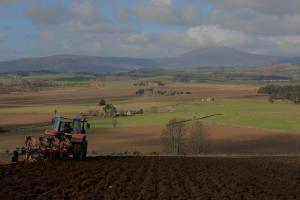
Infrared (IR) Spectroscopy is a versatile analytical technique that can characterise a wide variety of different sample types e.g. from drugs and plastics to soil and minerals.
Climate and the Environment Science Education
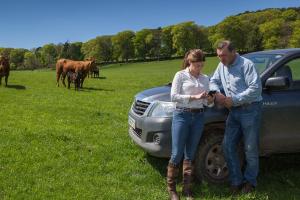
This scoping study explored the extent of the gender pay gap in rural Scotland, how it has changed over recent years, and potential reasons that might explain its extent and fluctuations over time.
Rural Economy
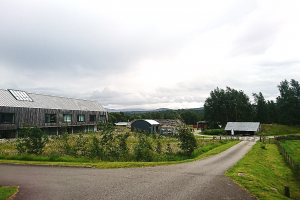
Through a series of Rural Business Surveys, our research is developing a better understanding of the characteristics, contributions and aspirations of rural businesses across the South and North-East of Scotland.
Rural Economy
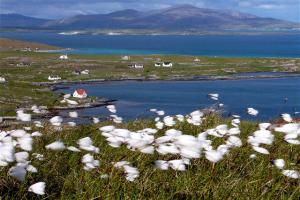
In recent months population trends in remote and Sparsely Populated Areas (SPA) of Scotland have become a political issue, not least due to fears about the likely impact of post-Brexit migration policy.
Rural Economy Land and Communities
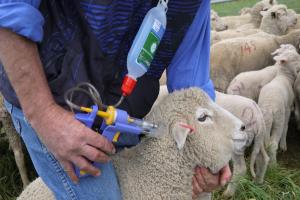
This case study is part of a series focusing on the importance of sustained funding for fundamental and strategic research. The first in this series summarises the research behind Barbervax®: a vaccine for the Barber’s Pole Worm, Haemonchus contortus.
Plant and Animal Health Pest Control and Management
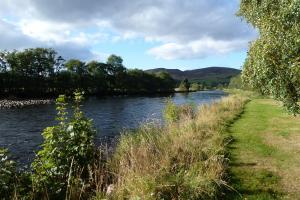
River temperature influences biogeochemical processes and aquatic ecology. Sustaining cool river temperatures in Scotland is essential for aquatic ecology (including the habitat and health of Atlantic salmon (Salmo Salar) and brown trout (Salmo trutta).
Climate and the Environment Water Resources
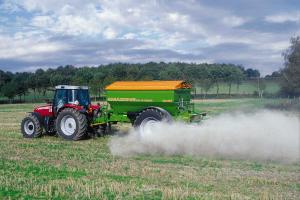
The Soil Survey of Scotland shows that large areas of Scotland have acidic soils. Soils with a pH less than 5.6 inhibit root growth, which can reduce crop yields.
Agriculture Sharing Best Land Management Practice
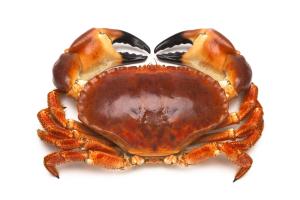
Crabmeat is an excellent source of protein but also provides good levels of important minerals, vitamins and beneficial omega-3 fatty acids. However, the meat from the brown crab (Cancer pagurus) can also contain the heavy metal cadmium, both in the white meat but especially so in the brown meat.
Food Safety Healthier Foods
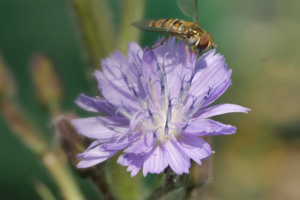
Our natural environment is facing threats from a range of environmental drivers, including climate change, invasive non-native species, novel pests and diseases, over-exploitation, and pollution.
Climate and the Environment Biodiversity and Ecosystems Natural Asset Management
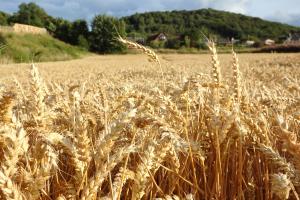
Mycotoxins are unavoidable, natural food contaminants which are produced by fungi growing on agricultural crops. Growth can occur in the field or in storage.
Food Safety Food and Drink Innovation Healthier Foods
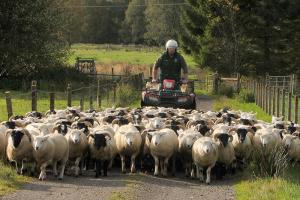
This case study will summarise ongoing research on Teladorsagia circumcincta, one of the most common and economically important endemic parasites to control in sheep in the UK.
Agriculture Climate and the Environment Plant and Animal Health
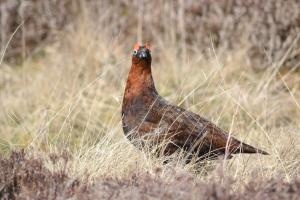
In May 2017, the Cabinet Secretary for Environment, Climate Change and Land Reform announced commissioning of “research into the costs and benefits of large shooting estates to Scotland’s economy and biodiversity”1. The focus of the Cabinet Secretary’s announcement was ‘driven grouse shooting’.
Climate and the Environment Biodiversity and Ecosystems