Filter By

Project's aim was to establish whether data are currently collected by industry bodies operating within the Scottish lamb sector on (a) the use of castration and tail docking and (b) the methods employed to perform these procedures.  If such data are collected, they may offer a way for Scottish Government to benchmark current practices and to monitor future trends.  

This report was funded by the Rural & Environment Science & Analytical Services Division of the Scottish Government Underpinning National Capacity Support to Policy Function.
  • Plant and Animal Health
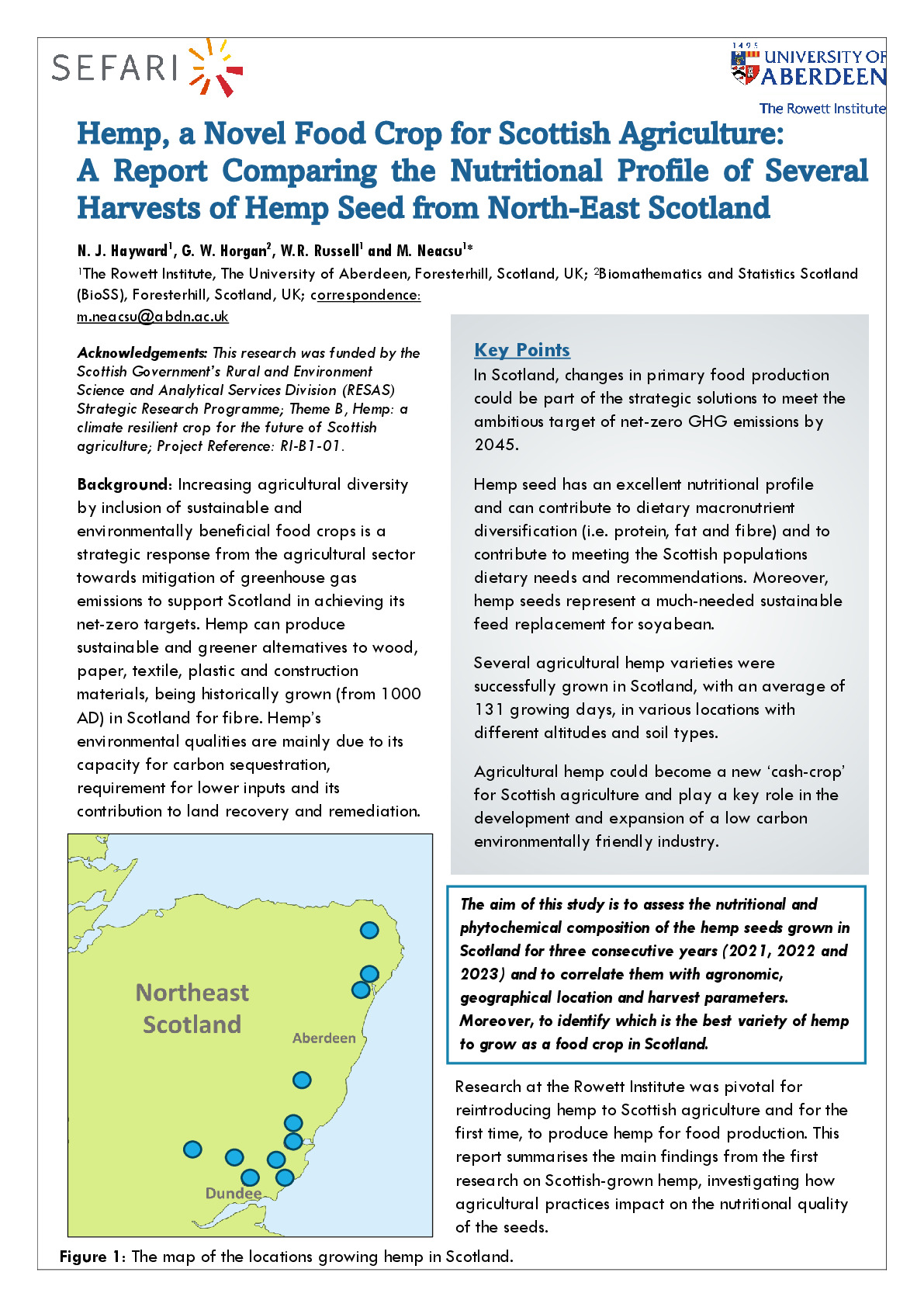
  • A report comparing the nutritional profile of several harvests of seed form NE Scottish farms growing hemp

    A SEFARI Gateway Innovative Knowledge Exchange (IKE) Report on 'Developing Dialogues on Land Use Decision Making for Natural Capital' by Naomi Beingessner, Lin Batten, Bryony Nelson, Acacia Marshall and Umar Farooq.

    The key aim of this project was to support community involvement in land use decision-making in contexts of natural capital/green land investment in rural Scotland.

    Official end of project report for RI-B7-02: Revalourisation potential of agricultural waste materials into a sustainable source of health-promoting dietary fibre.

    Literature survey on the use of proteomics in meat autheticity and report on the advantages and disadvantages of different MS methods

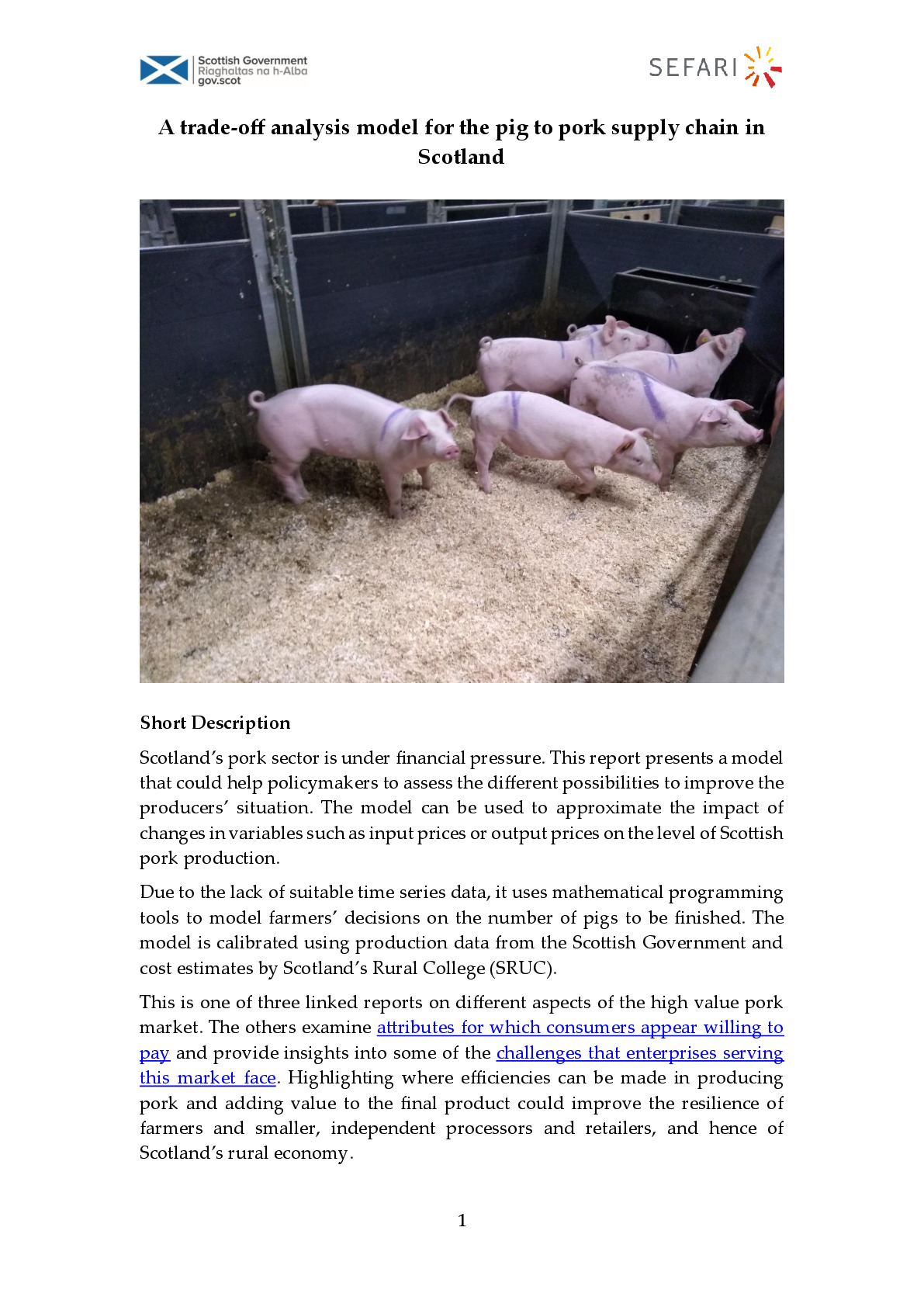
    Scotland’s pork sector is under financial pressure. This report presents a model that could help policymakers to assess the different possibilities to improve the producers’ situation. The model can be used to approximate the impact of changes in variables such as input prices or output prices on the level of Scottish pork production.

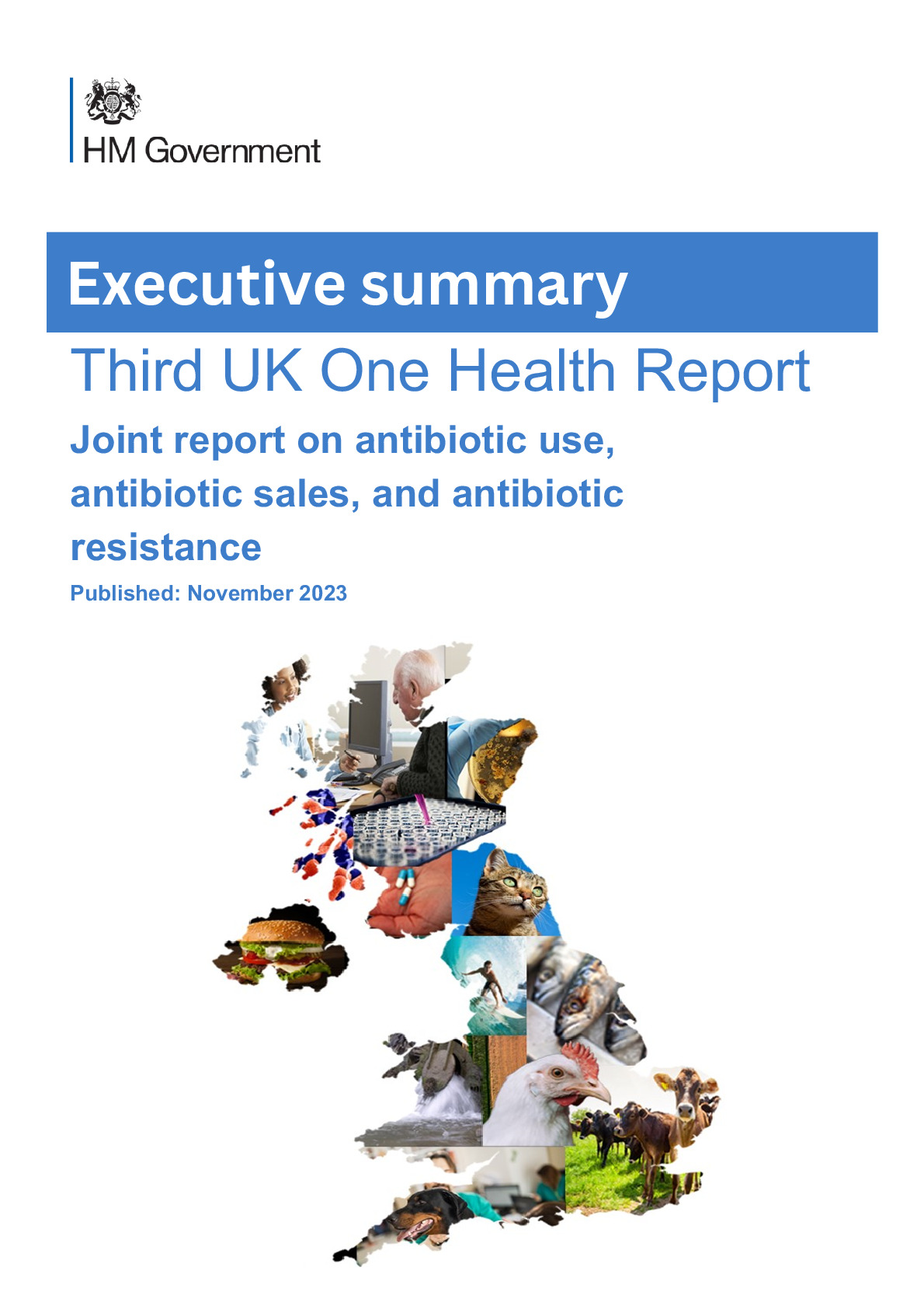
    Third UK One Health Report - Joint report on antibiotic use, antibiotic sales, and antibiotic resistance. Published: November 2023

    This report comprises the findings of an evidence review to inform the further development of the Scottish Land Matching Service (SLMS).  The Scottish Land Matching Service was established in 2019 as an initiative of Scottish Government’s Farming Opportunity for New Entrants (FONE) Group. The SLMS mandate is to enable joint ventures in farming.

    Questions addressed in the review include:

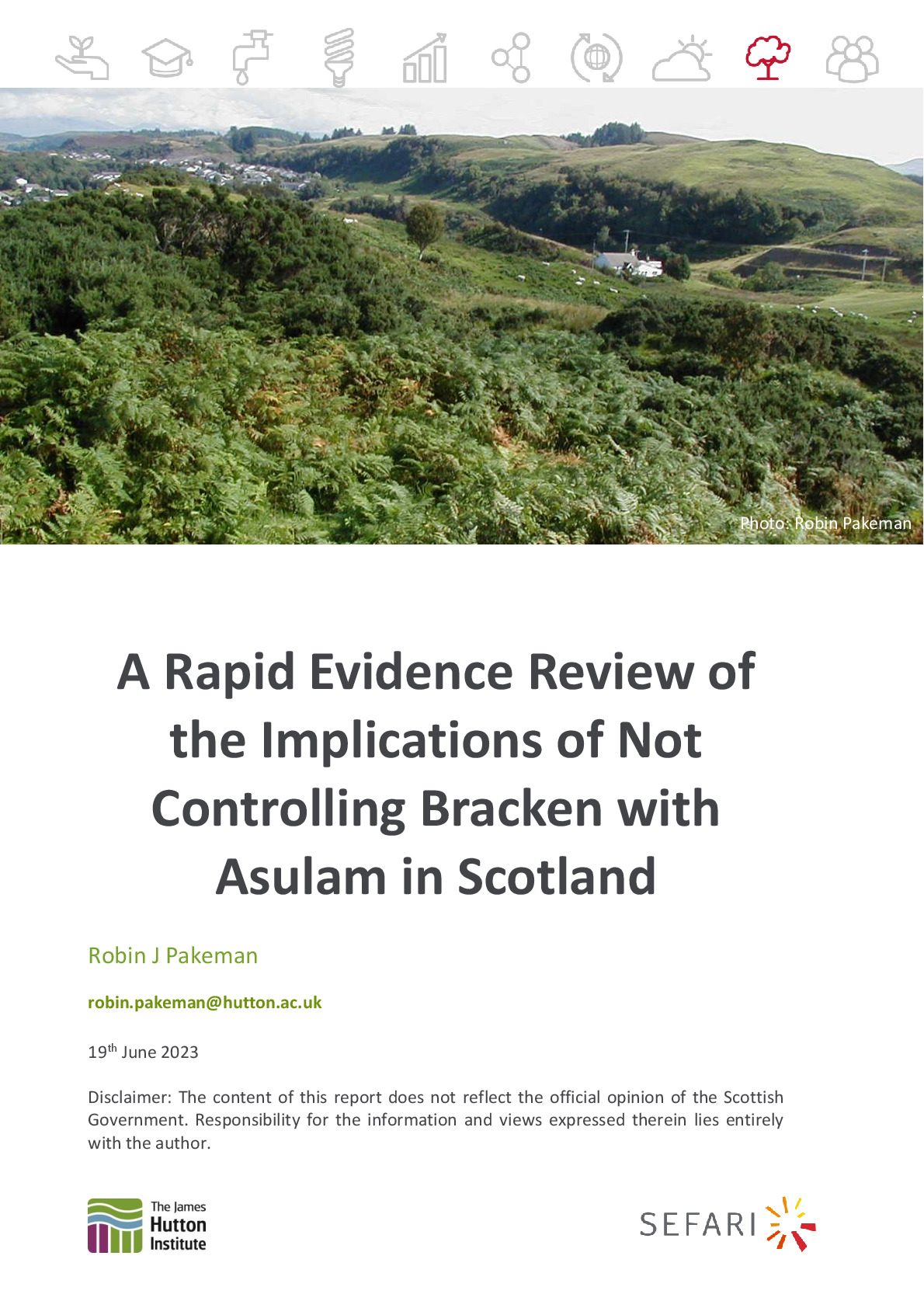
    This report was requested to better understand the implications of not controlling bracken on biodiversity, rural productivity and public health, where asulam is traditionally used for its control in Scotland.

    Asulam, sold under the trade name Asulox, is a relatively narrow-spectrum herbicide that has been the predominant chemical method of bracken control, particularly on rough or steep ground since the 1980s. Authorisation for Asulox was removed in 2012 with all recent use subject to emergency authorisation which has been given on an annual basis.

    The aim of this SEFARI Spark/Think Tank project, designed to scope current topical issues, was to identify research priority areas for agri-tech use in beef and sheep livestock production systems, where uptake is currently limited. A survey was developed to capture this information, and was distributed between June and August 2020. Opinions on limitations and barriers to uptake were collected. In total, there were 71 responses from a range of respondents including farmers, crofters, consultants, farm advisors, veterinarians and academics/researchers.

    This report summarises the extensive and multifaceted impacts arising from the Strategic Research Programme 2016-2022, supporting Scotland’s commitment to UN Sustainable Development Goals and including impacts showcased throughout COP26.

    The report is organised by the three themes of the Strategic Research Programme and lists the outputs and outcomes related to support for policy and practice, innovation and the economy, collaboration and multidisciplinary research, and scientific excellence and scientific resilience.

    The climate emergency presents a double challenge for public bodies as they reduce their greenhouse gas emissions and learn to adapt to the already changing climate. The Scottish government is committed to deliver a Just Transition to Net Zero by 2045 meaning that public entities must come up with innovative ways to meet these targets.

    The Loch Lomond and the Trossachs National Park covers a largely rural area in the west of Scotland and want to address the ‘wicked issues' of rural car dependency and carbon-intensive travel to LLTNP.

    Interest in carbon markets has increased rapidly in recent months, leading to new market opportunities and interest in acquiring land to invest in natural capital, typically through tree planting and restoration of degraded peatland habitats. However, the extent to which natural capital investment is driving transactions is unclear, with owners and purchasers potentially influenced by many factors. There is also uncertainty around how large-scale land acquisitions might interact with post-Brexit policies under development across the UK and the interests of rural communities.

    The Scottish Government Programme for Government (2021/22) commits to the creation of Regional Land Use Partnerships (RLUPs) and Regional Land Use Framework (RLUFs), as set out in the Land Use Strategy. In spring 2021 it announced five pilot Partnerships for testing approaches and practicalities, with particular reference to governance and local engagement. 

    Appendices to the SEFARI report on ‘The adoption of agroecological principles in Scottish farming and their contribution towards agricultural sustainability and resilience.’ This Agroecology in Scotland is understood differently by different people and at times contrary to what constitutes agroecology.

    This work represents the third phase of a research project conducted by SRUC and the James Hutton Institute on the impacts of, and responses to, the Covid-19 pandemic on rural Scotland and the prospects for a rural recovery. The previous phases of work incorporated stakeholder interviews to explore factors that promoted or hindered a resilient community response (Phase 1), and spatial analysis to identify areas with lower or higher underlying capacity to be resilient (Phase 2). The Phase 2 mapping was also used to identify the paired case studies used for this report (Phase 3).

  • Leading Ideas for the Rural Economy
  • To address constraints to woodland creation in Loch Lomond and Trossachs National Park, the Park Authority launched a small-scale planting grant in 2020 and developed a fellowship in partnership with the Scottish Environment, Food and Agriculture Research Institutes. This report presents summary findings from the fellowship research, which focused on identifying key constraints to woodland creation uptake and opportunities for enhancing future uptake.