Displaying 21 - 30 of 193

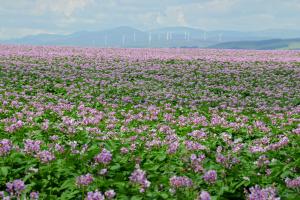
Scientists at The James Hutton Institute are spearheading cutting-edge research to support the UK’s National Action Plan for pesticide reduction, combining AI, big data, and biology to revolutionise Integrated Pest Management (IPM) in Scotland. From forecasting potato virus risks to advancing biological alternatives to conventional pesticides, their work helps farmers target pesticide use while safeguarding yields and the environment.

Recent shifts toward protectionist trade policies—most notably from the United States—are reshaping the global trading system in ways that extend beyond traditional economic concerns. Protectionism refers to when countries introduce measures such as tariffs, quotas, or subsidies to limit imports and support their domestic industries. For the UK, navigating this uncertainty comes at the post-Brexit period, where trade resilience, food system stability, and climate commitments are increasingly intertwined.
The British Society of Animal Science is a charitable organization, which has been in existence for over 80 years! It is also the principal learned body supporting animal science in the UK. BSAS works ‘to advance the sector, improve the understanding of all aspects of animal science and ensure research and knowledge transfer has a practical and beneficial application’.
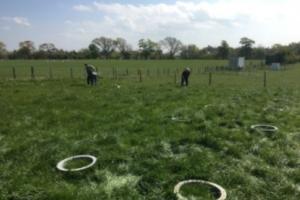
Applying liming products to soils has a positive effect on the yield of crops, if the soil pH is below the optimum level for nutrient uptake. However, there is also a cost for the carbon footprint for the farm from the release of carbon dioxide (CO2) to the atmosphere from mining, production and application of lime. Increasing the soil pH above 6.2 has been shown to reduce the greenhouse gas nitrous oxide (N2O) but the evidence is not conclusive.

Storytelling and folklore have the potential to inspire environmental awareness and action by connecting people with nature in relatable and engaging ways.In this blog by Allysha Amanda, a Master's student in Science Communication and Public Engagement at the University of Edinburgh, explores global folklore. She discusses how folklore engages communities with environmental issues (positively and negatively), how technology is influencing more recent environmental storytelling and whether folklore has an important role in helping to address climate change and biodiversity crises.
In this blog, Lorna Dawson and Michelle McWilliams (Gateway Knowledge Brokers) share content from the Scottish Agricultural Organisation Society (SAOS) conference at Crieff Hydro on the 16th January 2025, useful for anyone working in agriculture and food.There was insight on how we can tackle the challenges in our supply chains and turn them into opportunities. For example, we looked more closely at some of the great work that SAOS co-ops have been progressing in their own supply chains.
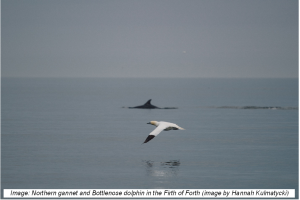
Biodiversity conservation is essential for the sustainability of our planet. A SEFARI Gateway funded project led by Royal Botanic Garden Edinburgh and NatureScot, is updating and expanding upon their previous groundbreaking research on Scotland’s Genetic Diversity Scorecard to include marine habitats.
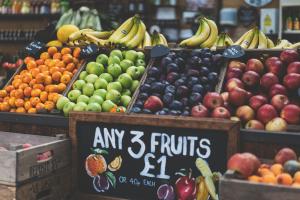
Fruit and vegetables are vital for a healthy diet providing essential vitamins, minerals, and fibre that also help lower the risk of noncommunicable diseases, such as heart conditions and types of cancer.
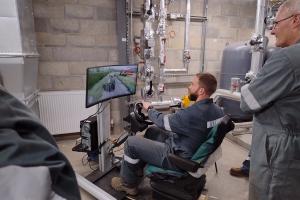
Finding innovative ways to engage a wider audience is an ongoing challenge for researchers. Here at SEFARI, we are no less prone to these challenges and strive to ensure that our work generates valuable insights and reaches everyone in engaging ways. In this blog, read about one of our latest Innovative Knowledge Exchange (IKE) funded projects, the CROPsim Project, a tool that uses gaming technology to bridge the gap between cutting-edge agriculture research and those interested in sustainable farming practices.